A semi continuous pyrolysis plant marks a key step forward in waste-to-energy handling. It sits between old batch setups and full continuous runs. For those putting money in, this plant gives a good mix of work efficiency and reasonable startup costs. That makes it a solid choice for mid-sized waste reuse projects.
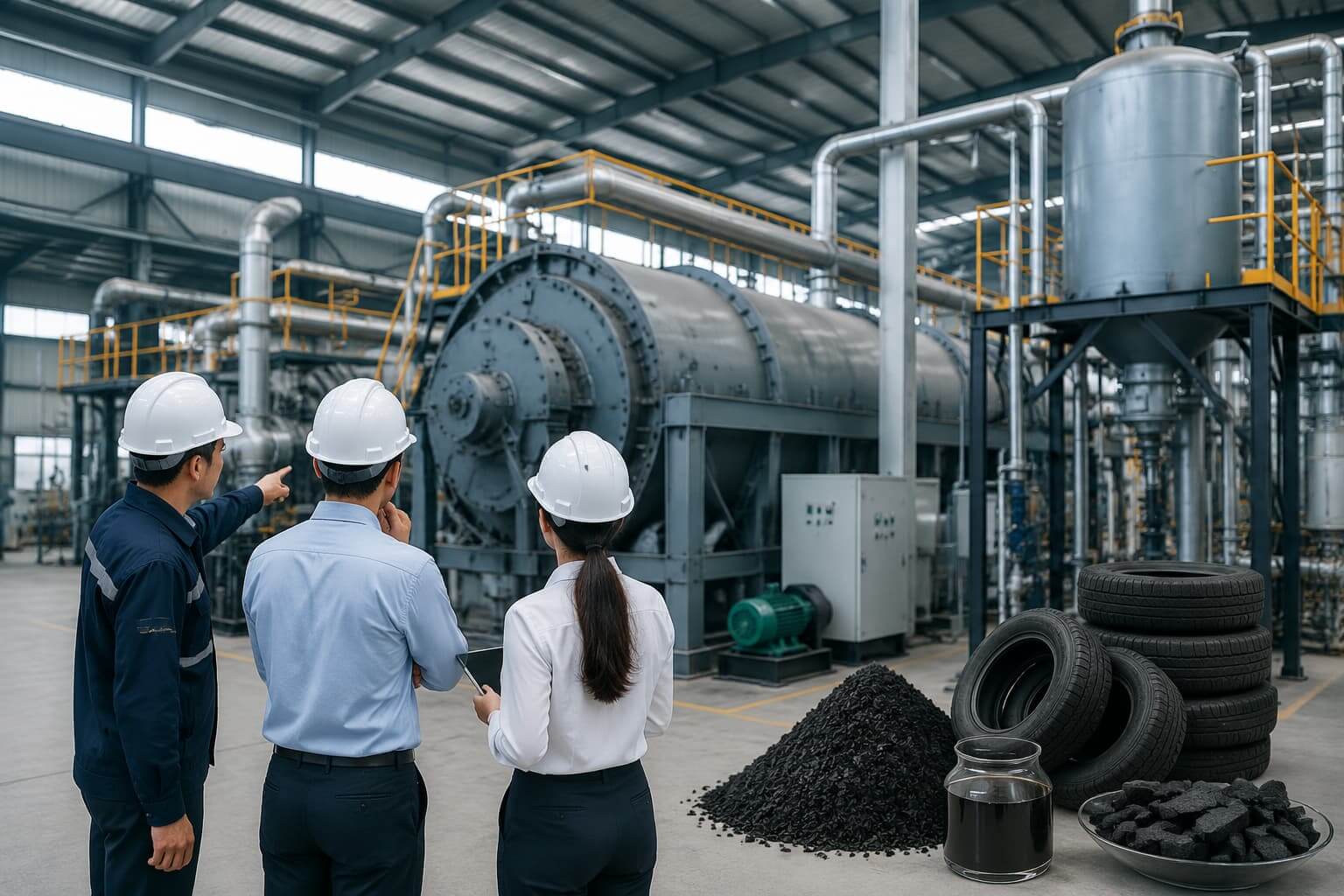
Semi continuous pyrolysis tech uses heat to break down organic stuff like rubber, plastics, or tires without air. The method turns waste into useful items such as pyrolysis oil, carbon black, steel wire, and syngas. Batch setups need full cooling before adding more material. But semi continuous ones let you add some feedstock while running. This boosts total output.
Batch, semi continuous, and fully continuous types differ mainly in how much they automate and how much they process. Batch plants fit small jobs with low costs but more stop times. Full continuous ones need high-tech controls yet give top output. Semi continuous plants blend the best of both. They offer fair automation with less wait time.
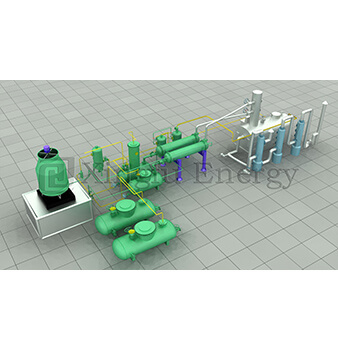
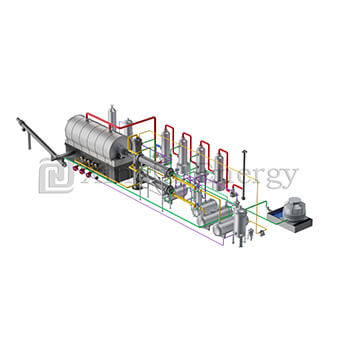
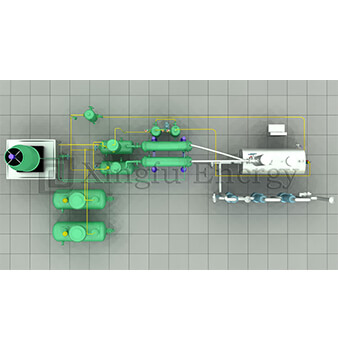
Main parts often include a pyrolysis reactor, feeding system, condensation unit, gas purification module, and discharging device. Each part helps keep things running smooth and products steady.
Before buying a semi continuous pyrolysis plant, check what materials it handles. Usual inputs cover waste tires, plastic bits (PE, PP, PS), rubber goods, and oil sludge too. The makeup of the input affects output quality. It also impacts reactor steadiness and power use. For example, lots of rubber makes more carbon black. Plastic inputs give more oil parts.
Sectors like waste handling companies, power makers, chemical builders, and reuse businesses gain a lot from semi continuous pyrolysis options. Their ability to deal with varied raw stuff adds value.
Looking at tech details makes sure the chosen semi continuous pyrolysis plant fits your work aims and green rules. This step helps avoid mismatches down the line.
The reactor sits at the core of any pyrolysis setup. It has to handle long heat exposure, often 400–600°C. It must also fight rust from gases made in the breakdown. Common materials include Q245R boiler steel or stainless steel. These build lasting strength.
Design features like even heat spread affect heat use and life span. Even warmth cuts hot spots that might crack or bend parts. Plus, simple clean designs ease upkeep tasks. They cut stop times from fixes or swaps.
Automation helps keep things steady over runs. Smart controls watch heat changes, pressure, gas flows, and feed times. They hold ideal reaction settings. Being able to tweak settings for different inputs matters too. It keeps safety and work quality intact.
A close look at money matters shows if the semi continuous pyrolysis plant cost matches expected gains. This check guides smart choices.
Startup costs include buying gear, readying the site, setup help, utility links, and extra builds like tanks or stacks. Running costs cover power for heaters, worker pay for watchers, regular fix parts, and fees for ash or water cleanup.
Plant size shapes cost savings. Bigger ones, say 10–20 tons daily, lower cost per unit thanks to bulk benefits. Yet, buyers need to weigh growth against market needs for outputs.
Gains come from selling byproducts and cutting run costs. Pyrolysis oil works as factory fuel or gets turned into diesel. Carbon black fills rubber goods. Steel wire recycles easy. Syngas can heat inside, lessening outside fuel needs.
Payback times often fall from one to three years. This hinges on local sales for reused fuels and stuff. Watching world oil prices hints at shifts in profit edges.

Green performance now sways choices for gear like semi continuous pyrolysis plants. It shapes long-term viability.
New plants use various controls like dust catchers, water cleaners, carbon filters, and change makers. These cut tiny bits in air and kill smells from organic gases. Checks by official groups confirm fit with local green laws. Such approvals often come before start-up okay.
Energy catch methods turn waste heat to useful power via exchangers or steam makers. Using syngas from the process as inside fuel boosts self-power. It drops outside energy bills. Tricks like warming input with caught heat also trim total power per ton.
Picking a solid maker guarantees tech steadiness over the whole project. From custom design to follow-up aid, it matters.
Buyers should confirm the seller’s know-how in semi continuous pyrolysis tech. Not just broad waste gear making. Quality marks like ISO9001 show they follow world standards. Real case reports prove good setups around the globe. Matching support skills, like far-off checks or site starts, spots partners for lasting work.
Full training teaches workers safe starts, fix ways, crisis steps, and upkeep plans. Easy access to parts cuts stop risks from breaks or checks. Long deals for visits keep steady runs over years.
Any factory buy has built-in dangers. Smart plans cut likely upsets. Preparation strengthens outcomes.
Heat shifts in reactors can lead to poor breakdown. This causes uneven oil or too much leftover char. Regular upkeep, like sensor tunes, cuts surprise stops from gear fails. Safety tools like auto pressure vents guard staff from hot gas risks.
Money value swings can raise import bills for outside gear. Future deals lock prices in buys. Full insurance covers fire or accident harm on site. Mixing output types, like fuels of different thicknesses, steadies cash flow amid market changes.
Qingdao Xingfu Energy shines as a steady maker of semi continuous pyrolysis plants, delivering reliable performance and long-lasting equipment. With extensive experience in global markets, they ensure each plant meets international safety and efficiency standards. The company specializes in precision engineering, using high-quality materials capable of withstanding high-temperature operations. Their website provides detailed guidance on plant installation, operation, and customized staff training to match client requirements. By combining eco-friendly technology with cost-effective solutions, Qingdao Xingfu Energy has become a preferred choice for businesses looking to convert waste into energy efficiently and sustainably.
Putting cash into a semi continuous pyrolysis plant needs a full check of tech designs, money measures, green duties, seller trust, and danger plans. These ensure steady gains in changing energy worlds.
With steady upkeep every six months, including inside checks, a strong reactor runs well for 5–8 years. After that, big fixes may be needed.
Yes, in many cases. When set right, syngas burn gives enough heat for reactor temps. It cuts outside fuel use by up to 60%.
Automation holds tight watch on key factors like heat shifts, feed speeds, and pressure. It lowers human mistakes. This boosts safety, steadiness, and output guesses over runs.
 Address: 30th Floor, Building 3, Excellence Darongcheng, Shibei District, Qingdao City, Shandong Province
 Call us now:+86-13791972057
 Email:[email protected]


QINGDAO XINGFU ENERGY EQUIPMENT CO.,LTD