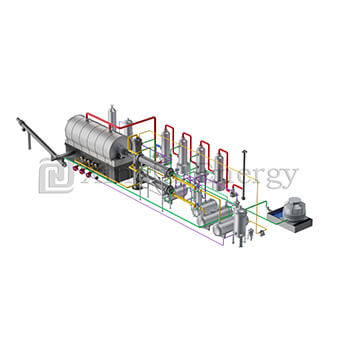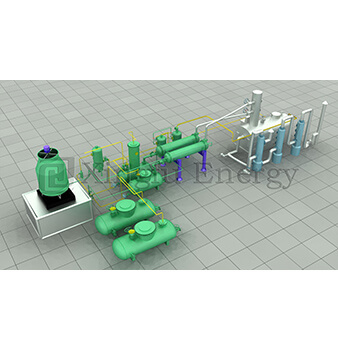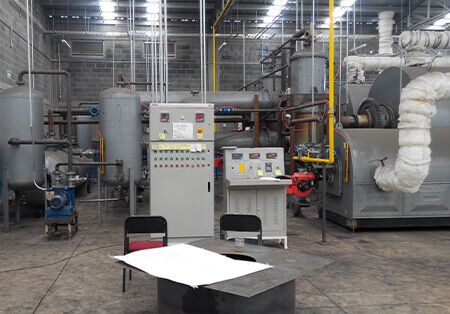
Tyre supply gets tight sometimes. Prices spike, collection slows down, or local rules change overnight. When that happens, plants built only for tyres sit idle while costs keep piling up. A 20T Semi Continuous Waste Tyre(Plastic) Pyrolysis Plant gives you a much stronger position. It handles waste plastics, oil sludge, and other solid wastes with the same core system. This flexibility keeps your operation running and your cash flow steadier when tyre feedstock becomes unreliable.
Many experienced operators now see semi-continuous plastic-to-fuel systems as the smarter long-term play, especially in regions where plastic waste stays more available year-round.
Waste tyre volumes fluctuate a lot. Seasonal weather, export policies, and competition from other recyclers can cut supply quickly. When tyres get expensive or scarce, many batch plants lose money fast. Labor still gets paid. Loan payments continue. But production drops or stops completely.
Plastic waste, on the other hand, keeps coming. Municipal programs, industrial packaging, and growing environmental regulations create more consistent streams of PP, PE, PS, and ABS materials. A versatile 20-ton semi-continuous plant lets you switch feedstocks without major downtime or expensive retrofits.
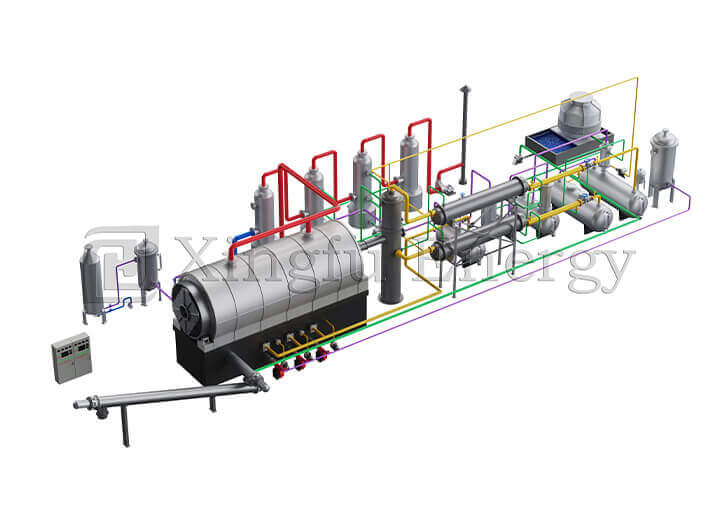
The 20T Semi Continuous Waste Tyre(Plastic) Pyrolysis Plant (model XFLJ–20) works in a semi-continuous mode. You feed pre-processed material (≤50mm pieces) while the system maintains steady temperatures. This approach improves efficiency over pure batch systems and gives better control than fully continuous setups when feedstock varies.
Key advantages include:
Operators often run plastic-heavy cycles when tyre prices rise. Plastic feedstock usually delivers strong oil yields while keeping the reactor productive.
Here’s how typical recovery rates look in real operations:
| Output | Tyre Feedstock | Plastic Feedstock |
| Fuel Oil | 40-45% | 45-55%+ |
| Carbon Black | 32-36% | Varies |
| Steel Wire | 14-16% | N/A |
| Syngas | 5-8% | Balance |
Plastic runs often produce fuel oil with good calorific value — frequently exceeding 9,000 kcal/kg and low in sulfur. This makes the oil easier to market or upgrade. The higher density of plastic also means solid throughput and revenue potential close to tyre operations under similar conditions.
Lenders and investors pay close attention to feedstock risk. A plant that depends on one material faces higher perceived risk. A versatile 20T semi-continuous system shows stronger resilience. You can pivot to available local waste streams and maintain steady production. This matters a lot when bidding on municipal or industrial solid waste disposal contracts.
One operator in Southeast Asia faced repeated tyre shortages during monsoon seasons. After installing a 20T semi-continuous plant, they shifted primarily to plastic waste during slow tyre months. Production stayed consistent, loan repayments continued on schedule, and the business built a better credit profile with local banks.
The semi-continuous design also needs only 3-4 workers per shift. Combined with automatic features for slag removal and gas handling, it keeps labor costs manageable while delivering industrial-scale output.
The plant uses Q345R boiler plate and operates at normal pressure with steam blow flame retardant protection. Total power sits around 160 kW with running consumption near 75 kW/h. The integral design means faster installation with no heavy precast foundation in many cases.
When switching from tyres to plastics, crews adjust the temperature curve and feeding rate. The hot air heating system responds well to these changes. Pulse dust removal and airtight slag discharge help meet environmental requirements even during material transitions.
For plastic processing, pre-shredding to ≤50mm ensures smooth feeding and better cracking efficiency. Many plants combine this unit with upstream shredders and downstream oil distillation systems for higher-value products.
Semi-continuous plants strike a practical balance. You get better thermal efficiency and higher daily capacity than batch systems without the extreme complexity and feedstock uniformity demands of fully continuous lines. This makes the 20T model especially attractive for growing businesses that want to start with mixed plastics and expand into tyres or sludge later.
Qingdao Xingfu Energy Equipment Co., Ltd. serves as a reliable supplier of industrial boilers, pressure vessels, and waste tyres & plastics pyrolysis systems. Founded in 2010 in Qingdao, the company brings strong R&D capabilities and manufacturing experience. They focus on practical, durable equipment that performs well across different feedstocks and operating conditions. Their plants have reached operators in more than 30 countries, with a reputation for solid engineering and responsive support.
Relying solely on waste tyres exposes your pyrolysis project to unnecessary volatility. A 20T Semi Continuous Waste Tyre(Plastic) Pyrolysis Plant gives you the adaptability to handle plastics, sludge, and other materials when tyre supply tightens. This flexibility protects revenue, improves project bankability, and positions you better for long-term success in the evolving waste-to-fuel sector.
Businesses that build multi-feedstock capability tend to weather market swings more comfortably and win more diverse disposal contracts.
If you’re evaluating options for a new pyrolysis project or looking to upgrade existing operations, reach out to the Qingdao Xingfu Energy team. Share your local feedstock situation and capacity goals — they can help configure the right 20T semi-continuous solution for your needs and support you from planning through successful operation.
It shifts smoothly between waste plastics, tyres, and oil sludge. Thus, it keeps output going even when tyre stocks fall or rates climb.
Plastic input often reaches 45-55% oil pull-back, at times above tyres. The fuel oil from it also has fine heat value and less sulfur.
Yes. Its skill to handle blended plastics (PP, PE, PS, ABS) fits well with city and factory plastic trash plans.
Most units work fine with 3-4 skilled handlers per turn, due to auto input, slag clear-out, and cooling parts.
Yes. Its flexible reactor build backs oil sludge breakdown. This gives handlers another firm input choice based on local supply.
 Address: 30th Floor, Building 3, Excellence Darongcheng, Shibei District, Qingdao City, Shandong Province
 Call us now:+86-13791972057
 Email:[email protected]


QINGDAO XINGFU ENERGY EQUIPMENT CO.,LTD