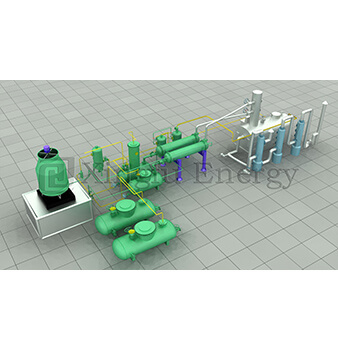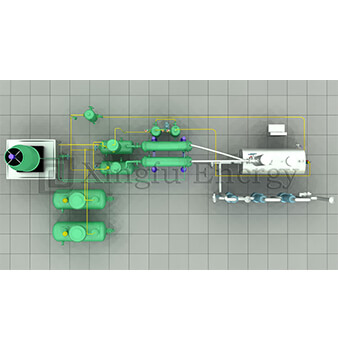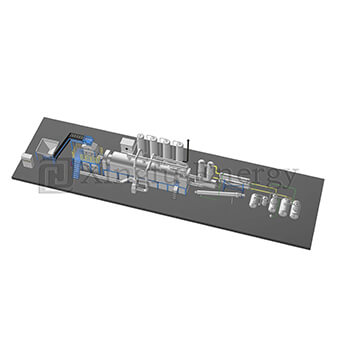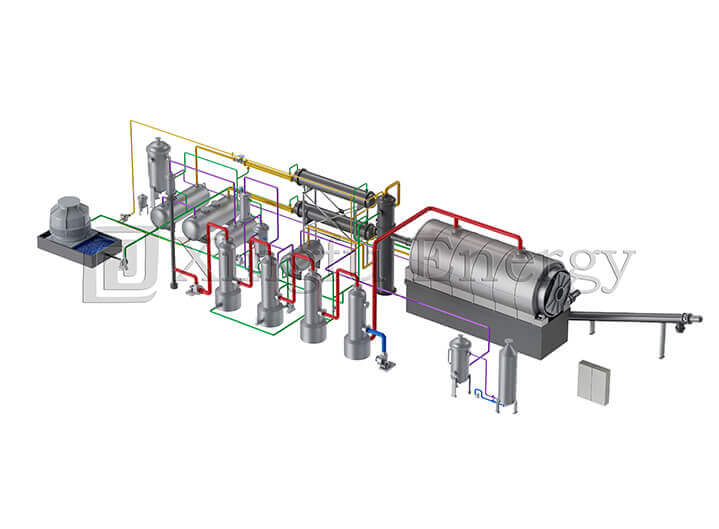
Waste tyre supply can dry up fast. Prices jump around depending on the season, collection routes, or local regulations. Many operators find themselves stuck with idle equipment when tyres run short. That’s where a versatile 10-ton batch pyrolysis plant changes the picture. It handles more than just tyres. The same reactor can switch between waste plastics, oil sludge, medical waste, and tyre-derived materials. This flexibility helps keep your operation running steady even when one feedstock gets expensive or hard to find.
The 10T Batch Type Waste Tyre(Plastic) Pyrolysis Plant gives processors real options in today’s unpredictable raw material market.
Tyre collection volumes swing heavily. Rainy seasons slow down scrap yards. Export restrictions tighten supply in certain regions. Suddenly your main input costs more or simply isn’t there. Traditional single-feedstock plants sit idle while bills keep coming.
Plastic waste tells a different story. Many areas now push harder on plastic pollution control, which creates more consistent supply streams. Oil sludge from refineries and tank cleaning also shows up regularly if you build the right local relationships. The plants that survive long term are the ones that can flip between these materials without major shutdowns or expensive modifications.
This unit stands out because of its adaptable design. You can feed whole tyres up to 1200mm without pre-cutting, which already cuts labor and equipment costs. When tyre supply tightens, operators shift to mixed plastics or sludge with only minor adjustments to temperature curves and feeding protocols.
Key advantages include:
In practice, many operators run tyre-heavy cycles when steel wire and carbon black prices look good, then switch to plastics during tyre shortages. This mix-and-match approach smooths out cash flow and reduces downtime.
Consider a mid-sized processor in Southeast Asia. During peak construction season, waste plastics flood the market at lower prices. The plant switches to plastic runs and achieves oil yields between 45-55%, often higher than blended tyre-plastic mixes. When tyre volumes return at better margins, they shift back. The same 10T reactor handles both without major retooling.
Typical recovery rates for the 10T plant look like this:
| Output | Tyre Feedstock | Mixed Plastic Feedstock |
| Fuel Oil | 40-45% | 45-55% |
| Carbon Black | 32-36% | Varies |
| Steel Wire | 14-16% | N/A |
| Syngas | 5-8% | Balance |
These numbers give you room to adjust based on current market prices for oil, carbon black, and scrap steel. The reactor’s direct heating and hot air options help fine-tune each run for maximum output.
Temperature control is everything when changing feedstocks. Start plastic runs at slightly different profiles than tyre batches to avoid coking or incomplete cracking. The automatic feeding system and submerged arc welded reactor (with X-ray inspection) add safety during these transitions.
Pulse dust removal keeps emissions low even during slag discharge. Most crews of 3-4 people can manage daily operations once trained. The compact footprint — roughly 25m x 5.5m — fits many existing sites without massive civil work.
In one Pacific region project focused on plastic pollution, operators used the 10T plant primarily for waste plastics. They reported steady oil production and easier regulatory compliance compared to mixed burning approaches. The ability to process sludge from local industries added another revenue stream during slower months.
The plant uses Q345R boiler plate and operates at normal pressure with steam blow flame retardant measures. These details reduce risk during long runs. The multilevel cooling system maximizes oil condensation, while the automatic carbon black and steel wire separation improves downstream processing efficiency.
Operators appreciate the straightforward design. No need for complicated continuous systems if your volumes fit batch processing. Yet the reactor still delivers industrial-scale output with relatively low labor requirements.
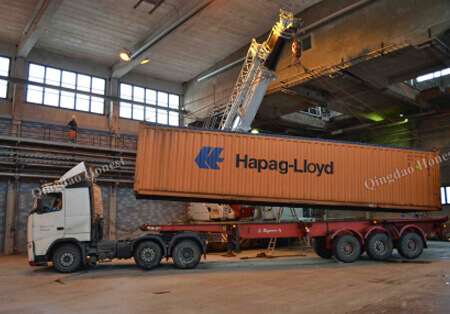
Qingdao Xingfu Energy Equipment Co., Ltd. serves as a trusted supplier of industrial boilers, pressure vessels, and waste tyres & plastics pyrolysis systems. Founded in 2010 in Qingdao, the company brings deep technical experience and strong manufacturing capabilities. They focus on practical, reliable equipment that performs in real-world conditions across more than 30 countries. Their pyrolysis plants, including versatile batch systems like the 10T model, emphasize safety, flexibility, and long service life for operators dealing with varied feedstocks.
Feedstock scarcity doesn’t have to shut down your pyrolysis operation. A well-designed 10T batch reactor gives you the freedom to adapt — from tyres when supply is strong, to plastics or sludge when market conditions shift. This flexibility protects your margins, reduces idle time, and lets you chase the best opportunities in a volatile waste market.
For businesses looking to build resilience in the recycling and energy recovery sector, multi-feedstock capability has become one of the smartest investments available.
Ready to explore how a 10T Batch Type Waste Tyre(Plastic) Pyrolysis Plant could fit your operation? Contact the Qingdao Xingfu Energy team today. Share your local feedstock situation and project goals — they can help match the right configuration to your needs and support you through setup and ongoing operations.
Its flexible reactor build takes whole tyres, waste plastics, and oil sludge with only small step changes between loads. This aids handlers in keeping output going even if one item grows rare or pricey.
Plastic jobs often yield a touch more oil (45-55%) than tyres (40-45%). Sharp handlers tweak heat patterns to peak results for each input kind.
Yes. The system manages oil sludge breakdown nicely, giving another firm input pick for spots with oil refining or tank wash work.
Most tasks flow well with 3-4 skilled workers. The build has auto parts for loading, slag clear-out, and dust handling that hold staff needs fair.
Yes. Its power to manage plastics and sludge makes it a fine option for areas where tyre stocks waver. Many handlers tap this adaptability to run the setup all year.
 Address: 30th Floor, Building 3, Excellence Darongcheng, Shibei District, Qingdao City, Shandong Province
 Call us now:+86-13791972057
 Email:[email protected]


QINGDAO XINGFU ENERGY EQUIPMENT CO.,LTD