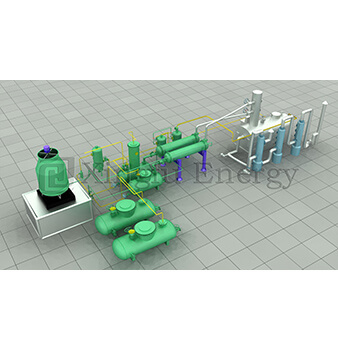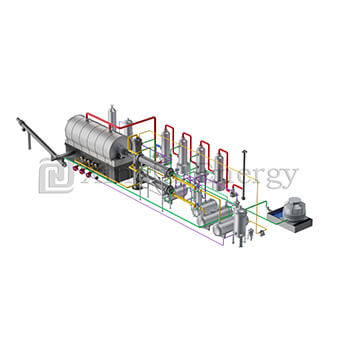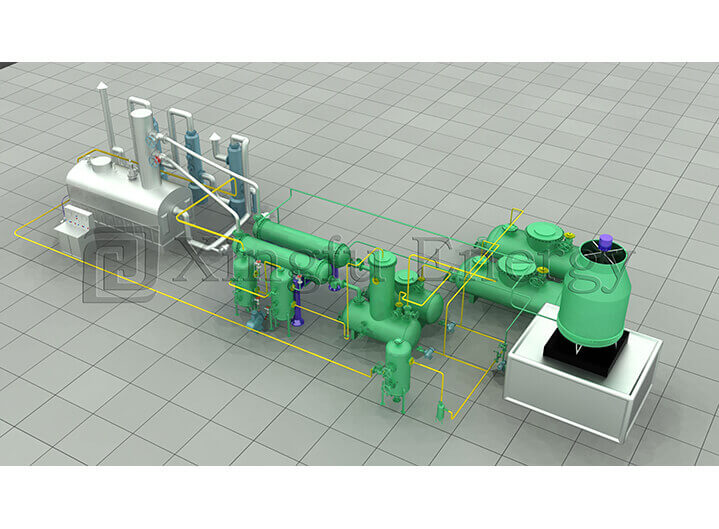
Picking up an oil distillation plant marks a major choice. You do not simply acquire gear. Instead, you put money into a lasting setup that needs to operate securely, smoothly, and with good returns over many years. China boasts plenty of makers. So, grasping what counts can shield you from pricey errors and troubles later.
This straightforward guide targets dedicated B2B shoppers aiming for a wise, safe buy in 2026. It zeros in on the real factors that count when checking out providers of a 20 T Oil Distillation Plant. By following these steps, you build a solid base for success. And that helps avoid common pitfalls many face.
Oil distillation from waste deals with intense heat and force. Even a minor flaw in planning or joining can spark safety woes, shutdowns, or rule breaches. The gap between a solid provider and a dicey one often hides in the small points that many skip early on.
Seasoned buyers from abroad grasp this well. The lowest bid seldom proves the top pick. A steady maker brings reliable standards, right paperwork, and firm follow-up help. They ensure your project runs without constant fixes. In the end, this choice shapes your whole venture’s path.
Begin with the core items. A solid maker must carry active vessel approvals for pressure. Seek out ASME or GB150 stamps in particular. These show the firm knows how to craft and assemble gear that manages high force and warmth without risk.
Focus sharply on their joining and check methods. Leading providers employ auto-covered arc joining. They also run X-ray scans on each key join. This step spots any secret flaws that might trouble you down the line. Plus, they use full warmth handling on the container. That boosts safety a lot. It also stretches the gear’s service span.
I recall one shopper who overlooked this. Micro-splits showed up after just 18 months of use. The fix bills and missed output time hit hard. That lesson stuck with them. It shows why details like these demand attention from the start.
How well the catalyst works ties straight to your oil output and daily expenses. A decent provider goes beyond selling the setup. They offer a steady catalyst stock plan too. It includes set swap times and hands-on advice.
Pose these direct queries to gauge them. How many months does their suggested catalyst hold up? Do they stock enough for quick sends? Can they share full run details and fix tips?
Trusted makers hand over all tech files in clear English. This covers precise build sketches, use guides, and care instructions. They stand ready for distant start-up aid. And if needed, they send folks for on-site setup help. Such backing keeps your operation humming without guesswork.
Skip leaning just on pitch talks. Push for a rundown of finished jobs with like inputs. Think waste oil, tyre pyrolysis oil, or plastic oil. Top providers happily set up video chats or trips to active sites.
Watch closely how the setup handles varied feeds. A maker with wide know-how in waste oil, tyre-based oil, and plastic oil stands better equipped. They guide you through shifts in input quality. That flexibility proves key in real-world runs.
Call for fresh client contacts. If you can, chat with other setup runners directly. Honest input from those using the gear daily beats any sales sheet. It gives you the true picture of what to expect. And that informs your final call.
Plenty of veteran importers swear by this simple check list. It covers the must-haves for a sound pick. First, confirm active vessel papers like ASME or GB150. Next, review X-ray logs for main joins. Then, verify full warmth process on the distillation core. Also, secure a clear catalyst deal and aid outline. Make sure you get the whole English tech bundle. Check their track record with your exact input kind. Test their reply speed and openness to site checks. Finally, lock in spare part access and service pledges. This lineup covers the bases. It helps you spot strengths and gaps early.
The 20 T Oil Distillation Plant ranks as a go-to size for average-scale work. It strikes a fair mix of upfront spend and output per day. Shoppers like its even run and easy handling after a good launch. For many, it fits just right without overreaching. That makes it a smart entry point for new ventures.
Loads of buyers from overseas hunt for a trusty teammate when funding oil distillation gear. Qingdao Xingfu Energy s
teps up as an industrial boilers, pressure vessels, and waste tires & plastics pyrolysis system supplier. They have earned a firm name in crafting dependable distillation tools that hit global ship rules.
The firm holds ISO 9001 for quality control. They keep up-to-date vessel build credentials too. In their build flow, auto-covered arc joining takes center stage. Strict X-ray checks follow close behind. Xingfu delivers full tech files, setup pointers, and ongoing catalyst options. All this aids seamless site work. Buyers count on them for steady support that lasts.
Checking a China-based oil distillation maker demands more than price scans. Hone in on approvals, join standards, tech aid, and true job history. A provider strong in these spots aids a safer, money-making setup. You face fewer shocks along the way.
Give the pick process real time. Drop by sites if you can. Talk to current users. Scrub every tech file with care. The work you front-load yields gains. You get easier starts, sharper output, and slimmer run risks over time. In the busy world of B2B deals, this careful path sets you apart.
Look for ASME or GB150 pressure vessel certification. These standards show the manufacturer understands how to build safe, high-pressure equipment suitable for international markets.
X-ray testing helps detect hidden welding defects that could lead to leaks or safety issues later. Reputable suppliers perform this test on critical joints to ensure long-term reliability.
It’s very important. Good catalyst performance directly affects your oil yield and running costs. Choose a supplier that offers a clear long-term supply plan and technical support.
Yes. A well-designed plant can process various feedstocks, including waste engine oil, tyre pyrolysis oil, and plastic oil. Experience with multiple raw materials is a big advantage.
Expect complete English manuals, remote commissioning help, installation guidance, and reliable spare parts supply. Strong after-sales support reduces downtime and helps you maintain steady production.
 Address: 30th Floor, Building 3, Excellence Darongcheng, Shibei District, Qingdao City, Shandong Province
 Call us now:+86-13791972057
 Email:[email protected]


QINGDAO XINGFU ENERGY EQUIPMENT CO.,LTD