Discarded tires pose a mounting issue across the globe. They fill up dumps, spark fire dangers, and may release toxic substances into the soil. For tire handlers and trash control firms, discovering a wiser method to manage them matters greatly these days.
Lately, numerous outfits are shifting toward continuous pyrolysis. They view it as a purer and more rewarding fix. A thoughtfully built setup does more than tackle the tire issue. It can also aid in producing carbon credits. Plus, it opens doors to official backing. Now, let’s see how sharp-minded managers are pulling this off.
Over many years, plenty of scrap tires ended up getting torched in concrete ovens or dumped in pits. Setting them ablaze pumps out heaps of CO₂ and other foul contaminants into the sky. Stashing them in the ground fares little better. Tires resist rotting well. As a result, they lead to drawn-out harm to nature.
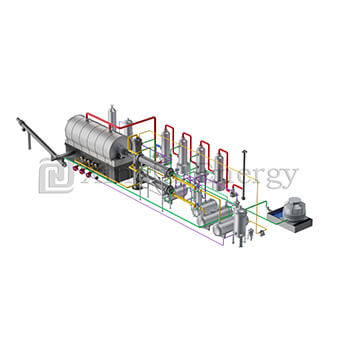
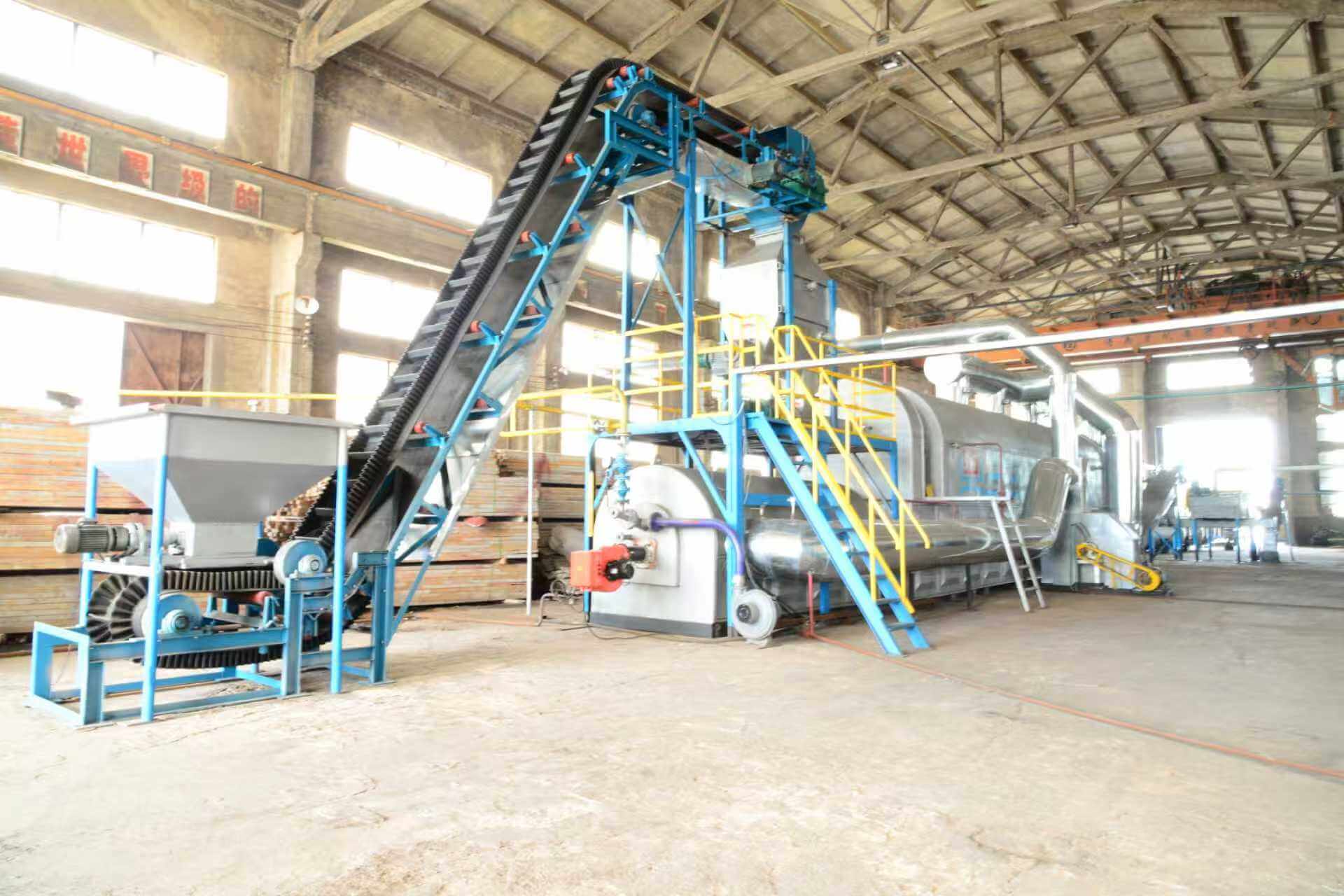
A fresh 30-ton fully continuous waste tyre pyrolysis plant provides a far superior route. Data from the field indicates something clear. If you process 100,000 tons of scrap tires each year via such a setup, you slash CO₂ output by around 32,000 tons. That figure matches the carbon uptake from about 170,000 grown trees over one year.
Such straightforward, trackable drops in emissions align perfectly with what carbon credit schemes seek out.
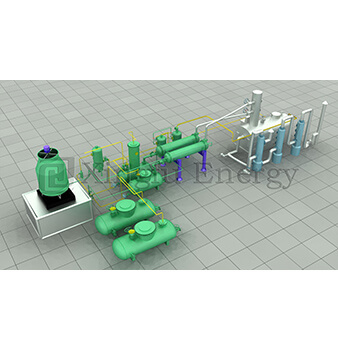
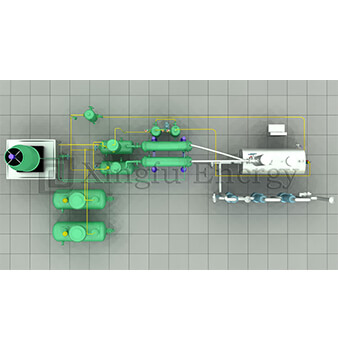
Continuous pyrolysis functions by warming tires in a sealed space lacking air. This action decomposes the rubber into handy items. Examples include pyrolysis oil, carbon black, and steel wire. Meanwhile, the vapors get trapped and purified.
Since the entire operation stays contained, it blocks escapes and particles that earlier intermittent setups commonly generate. Next, sophisticated multi-level gas purification units refine the fumes. This step ensures the facility complies with strict eco rules in places like Europe and beyond.
These tidier methods simplify things a lot for facility managers. They can now pursue carbon credits more readily. In various spots, outfits earn points for each ton of CO₂ they sidestep versus past handling techniques. Certain areas hand out outright aid for efforts that demonstrate genuine power conservation and pollution reductions.
Take one manager in Asia, for instance. After setting up a current continuous unit, they secured millions of RMB from the authorities. The blend of credit earnings and grants allowed them to recoup costs faster than planned. And that boosted their overall success.
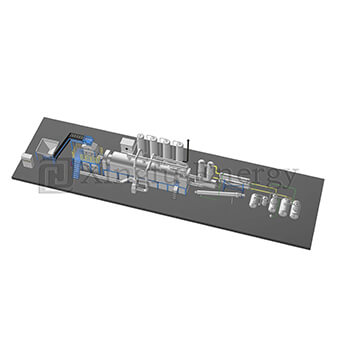
The 30 T fully continuous waste tyre pyrolysis plant suits outfits requiring reliable, large-scale operations. It differs from dated intermittent machines that pause and resume often. Instead, this one operates around the clock. It handles nonstop input and output.
Among its chief perks, the plant delivers greater output each day. At the same time, it consumes less power per ton. It offers finer command of fumes and vapor handling. Automation cuts down on hands-on work. Finally, it yields steadier and more uniform results.
Such qualities draw in firms eager to enter carbon exchanges and eco grants. They provide a solid foundation for meeting those goals without much hassle.
The money side improves further when considering the side products. Continuous pyrolysis transforms scrap tires into substances with solid commercial worth. Pyrolysis oil serves as a heating source or gets processed more. Carbon black acts as a base for rubber and plastic goods. The extracted steel wire finds buyers at metal works.
Operators often discover strong gains here. Selling these outputs, along with reduced waste fees and potential aids, builds a robust payback. It turns what was once a burden into a steady revenue flow. And over time, that strengthens the entire operation.
Considering a fresh pyrolysis venture or revamping an existing one? Plenty of folks have paved the way with solid steps. First, pick a nonstop setup with reliable fume management. Ensure the maker supplies thorough pollution logs and outside validation info. Jump on local aid programs and credit initiatives right away. Foster ties with nearby eco officials. And schedule routine upkeep to maintain smooth runs.
Outfits that stick to these moves typically land extra help. They also dodge many rule snags later on. This approach keeps things on track and builds confidence in the long haul.
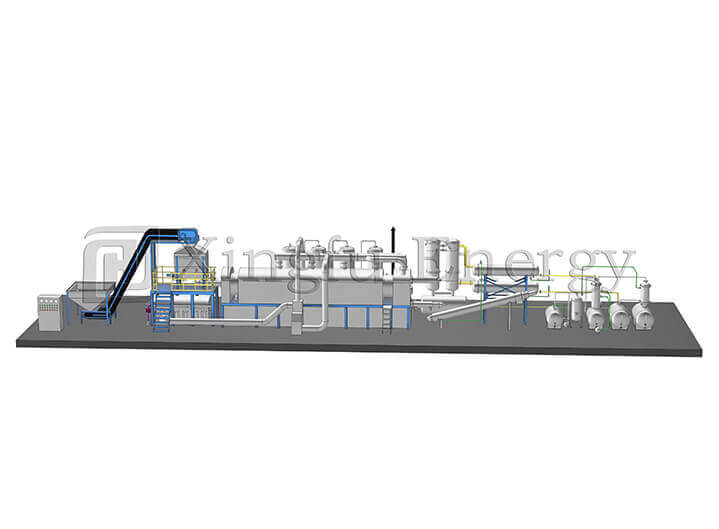
Countless tire handlers and trash outfits seek a dependable ally when stepping into continuous pyrolysis. Qingdao Xingfu Energy fills that role as a provider of industrial boilers, pressure vessels, and waste tires & plastics pyrolysis system supplier. Backed by long-term know-how, the firm crafts and assembles cutting-edge pyrolysis gear for home and abroad clients.
Their nonstop units employ sealed-circuit builds that curb spills and particle waste. Equipped with several-stage trash vapor cleanup and thriftier power methods, customers with Xingfu tools stand ready for carbon swaps. They also tap into power thrift grants. All this hastens their fund recovery and overall gains.
Shifting to green continuous pyrolysis goes further than managing scrap tires. It converts an eco hurdle into a true venture chance. Through lowering fumes, yielding useful extras, and gaining carbon credits plus aids, today’s pyrolysis sites bring plain wins for runners and nature alike.
As guidelines tighten and carbon arenas expand, firms putting cash into pure nonstop tech today hold a firmer spot tomorrow. Proper gear tackles current trash woes. But it also forges enduring worth via eco upsides and added cash paths. In the end, this smart move pays off for everyone involved.
If you handle 100,000 tons of scrap tires yearly, it trims CO₂ by about 32,000 tons. That equals the carbon pull from roughly 170,000 full-grown trees.
Sure. Up-to-date nonstop setups with solid fume checks can produce credits. They do this by proving less pollution than old torching or dumping ways. Good records and neutral checks matter most.
Nonstop sites operate more evenly. They keep fume levels steady. Their sealed builds and top vapor handling often yield less total dirt. This makes showing true drops in output simpler.
Lots of runners hit payback in two to four years. Sales of extras, cuts in waste spending, and official aids or credit cash drive this.
Absolutely. It meets harsh global fume rules. That fits spots in Europe, Asia, and the Middle East. Buyers favor its even performance and modest upkeep demands.
 Address: 30th Floor, Building 3, Excellence Darongcheng, Shibei District, Qingdao City, Shandong Province
 Call us now:+86-13791972057
 Email:[email protected]


QINGDAO XINGFU ENERGY EQUIPMENT CO.,LTD