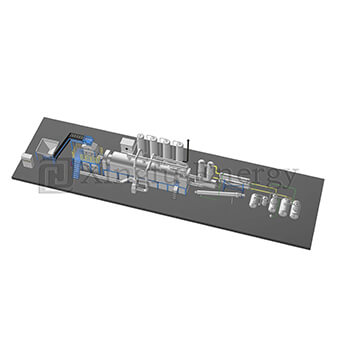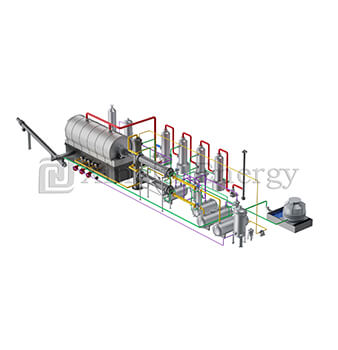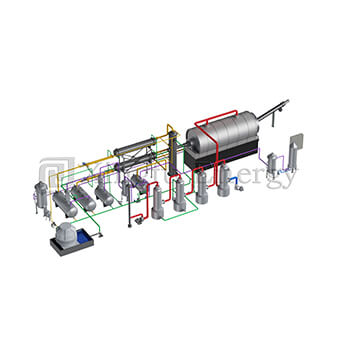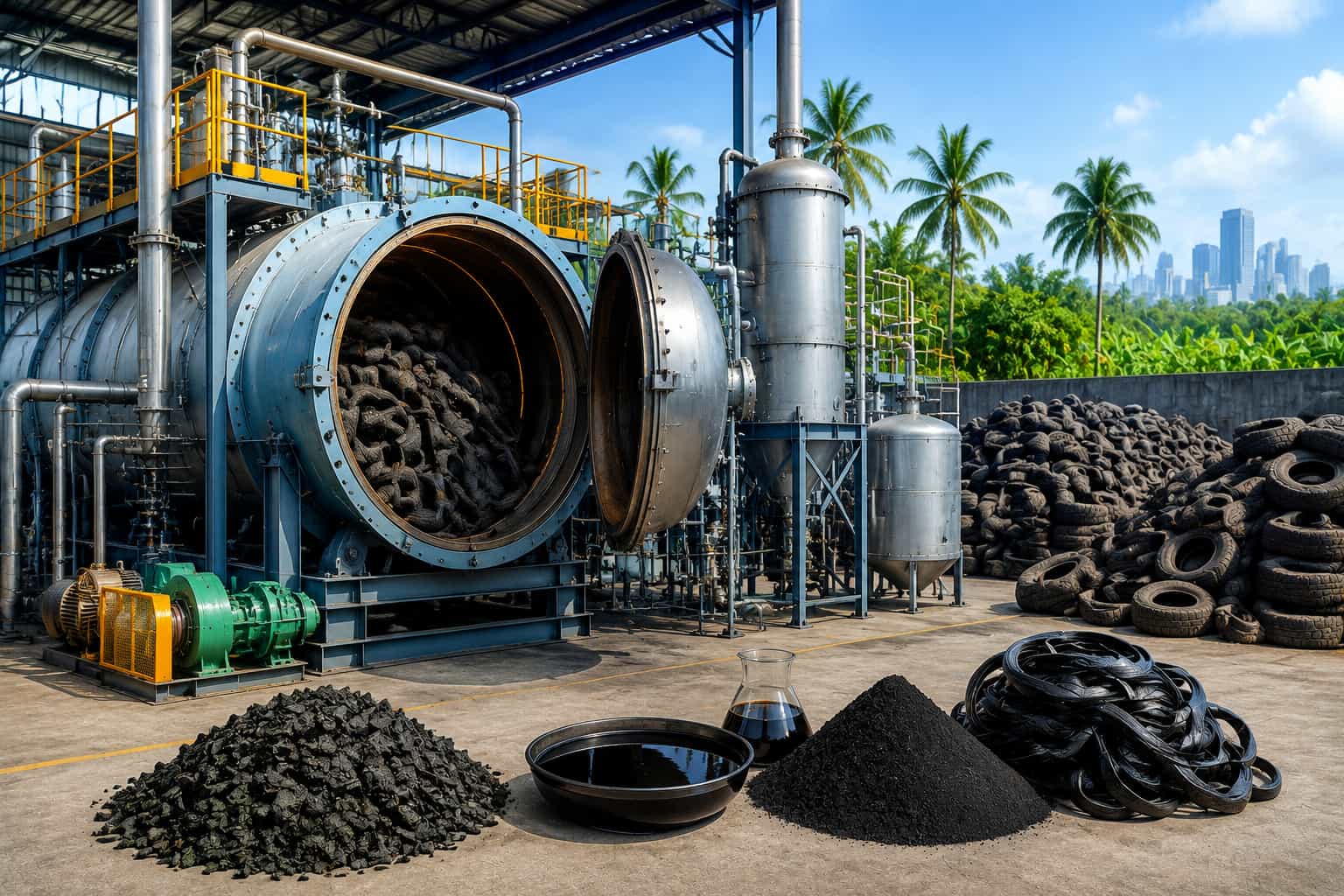
In Africa and Southeast Asia, the need for waste tire recycling has grown quickly. This growth comes from fast city growth, more cars on the roads, and better awareness of environmental issues. Handling old tires in a safe way is now a big problem. Poor disposal leads to pollution and health risks. Pyrolysis technology provides a good answer. It turns waste tires into useful items like fuel oil, carbon black, and steel wire. These products help both the economy and the environment. Among different pyrolysis setups, batch type pyrolysis plants stand out in new markets. They cost less and fit local needs well. This article looks at the technical, economic, and local factors that push the use of batch type pyrolysis systems in tire recycling projects in these areas.
The choice of batch type systems comes from their easy operation and fit with local situations. They work well for many users in these regions.
Batch type pyrolysis uses a repeating process. In this process, a set amount of material, like waste tires, goes into the reactor. Then, it heats up in a place without oxygen. This extracts oil and gas. After that, it cools down. Finally, it unloads the leftovers. Continuous or semi-continuous systems need steady feeding and advanced controls. But batch systems let workers handle each step by hand. This makes upkeep simple and cuts down on stoppages.
Batch plants give more freedom in work times than continuous ones. Continuous systems need high automation and steady power sources. Batch plants suit small recyclers who want basic output levels. They do not require big setup costs. This helps new business owners enter the waste tire recycling field.
New areas often deal with weak infrastructure and uneven material supply. Batch type pyrolysis plants match these challenges. They need little setup work and can run without large factories. Their piece-by-piece design lets them work in far-off spots with few services.
They also handle different types of tires well. This includes tires from cars to trucks. They do not need much preparation first. Local waste often mixes items, so this fit keeps results steady. Plus, batch work needs fewer expert workers. Local staff can learn the job fast. This cuts reliance on outside help.
Money matters shape how recyclers pick technology in growing markets. These factors make batch plants a smart pick for many.
Batch type pyrolysis plants cost much less to start than full continuous setups. This low price opens doors for small and medium businesses. They want to join tire recycling without big money outlays. The smaller size means less risk too. Operators can begin small and grow as the market responds.
The time to get money back is shorter as well. This happens because output matches local needs for items like fuel oil or carbon black. Buyers see fast gains. They keep options open, which helps in shaky economies typical in these countries.
Running costs favor batch plants too. Their energy use fits areas with spotty power. They can run on reused pyrolysis oil or nearby plant fuels. This self-support boosts dependability during power cuts.
Upkeep costs stay low since batch reactors have fewer parts that move. They need few replacement pieces. This eases supply for those far from city hubs.
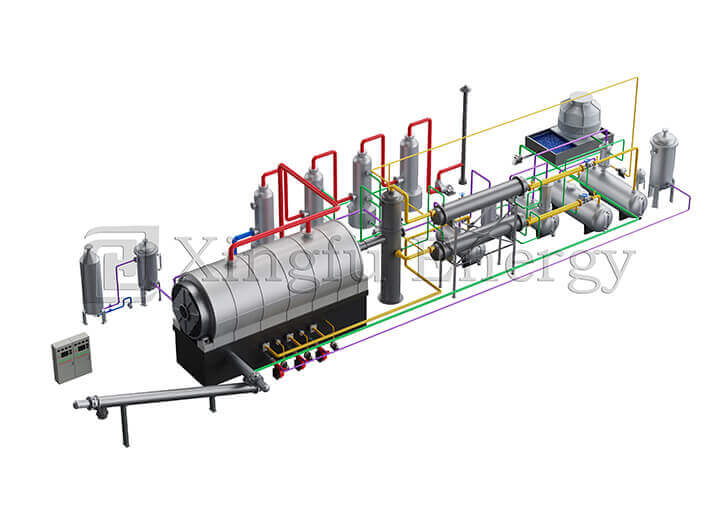
Local setup limits and changing markets shape tech choices in Africa and Southeast Asia. These elements help batch types become common.
Many growing countries have shaky power lines, scarce water systems, and tough transport routes. These issues make big factory work hard. Batch type pyrolysis plants ease these problems. Their build-as-you-go style works without main services. Their small space needs let them set up near waste spots or in country areas with poor roads.
This setup suits spread-out recycling efforts. Local leaders or private backers support them to fix tire waste at the ground level.
The call for reused materials rises steadily in these places. Fuel oil from old tires acts as a cheap power option for spots like brick ovens or cement plants. Carbon black goes into rubber goods or as color filler. Steel wire turns into fresh metal items.
Governments push for reuse over dumping or burning tires in the open. They do this to avoid harm to nature. Such rules help small recyclers with trusted tech like batch pyrolysis. These fit into guided plans well.
Meeting nature rules now guides choices for plant designs around the world. Batch types align with these needs in key ways.
Batch type plants add tools like condensers, scrubbers, or dust catchers. These meet local nature rules. Since work happens in clear cycles, not non-stop, watching smoke output is simpler. This lets workers tweak things just right to keep air clean.
Local leaders now ban tire dumps or open fires more often. They see the dangers to the environment. Instead, they back green choices with money help or tax breaks for recycling tech like pyrolysis. Nature groups back small projects with known gear like batch reactors. These offer steady work with easy-to-watch nature effects that suit rule checks.
Qingdao Xingfu Energy steps in to meet the rising demand for reliable solutions in waste tire recycling, serving as a trusted provider of top-quality batch type pyrolysis equipment worldwide. The company stands out as an experienced manufacturer, specializing in designing and building pyrolysis plants for emerging markets such as Africa and Southeast Asia, with models ranging from small-scale local setups to larger commercial operations, all built for durability and high performance under local conditions. Leveraging strong engineering expertise, Qingdao Xingfu Energy ensures high oil yields through precise heat control and robust reactor construction, while offering comprehensive customer support, including installation guidance, worker training, spare parts supply, and ongoing technical assistance throughout the plant’s lifecycle. Committed to sustainable development, the firm integrates energy reuse solutions and advanced emission-reduction technologies into its designs, promoting efficient resource use and supporting environmentally responsible tire recycling practices in growing markets.
Batch type pyrolysis plants grow in favor across Africa and Southeast Asia. Reasons include low cost, fit with tight setups, simple running with little skill needed, and match with new nature rules for reuse economies. These points make them key for safe tire recycling growth in new markets. They also create useful side items like fuel oil or carbon black that boost local business chances. Qingdao Xingfu Energy keeps a main role by giving trusted gear to firms set on green steps in this lively area.
Batch systems need less startup money. They have straightforward steps without fancy controls. They fit small output levels. This makes them great for tiny firms just starting in waste tire recycling.
Yes. If run at best heat levels with good cooling systems for full vapor catch, batch reactors make fine results. This includes pyrolysis oil as good as from continuous setups. It also yields sellable carbon black and steel wire leftovers.
Setup time changes with plant size. But usual times fall between 30 and 45 days. This covers startup help from Qingdao Xingfu Energy’s expert team. They ensure easy shift to full work after setup ends.
 Address: 30th Floor, Building 3, Excellence Darongcheng, Shibei District, Qingdao City, Shandong Province
 Call us now:+86-13791972057
 Email:[email protected]


QINGDAO XINGFU ENERGY EQUIPMENT CO.,LTD