Oil sludge is a highly complex material generated in the extraction, transportation and refining of oil. The material is primarily composed of oil, water, solids, and a variety of other toxic and hazardous materials. The hazardous nature of the waste creates a number of environmental problems and increasing costs for the disposal of the waste, creating a large number of problems for industries around the world. With a wide array of cost effective disposal methods available including landfill, pyrolysis and incineration, each with their own set of operating characteristics and associated costs, it is critical to identify the most sustainable disposal option.
Before we can compare the economic performance of the oil sludge of different disposal methods it is necessary to explain how they are working and what differences there are between the processes.
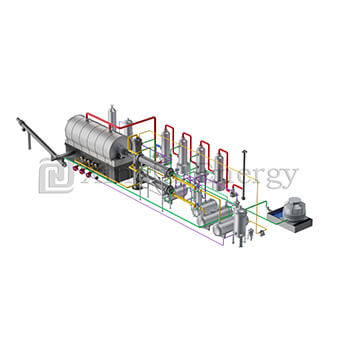
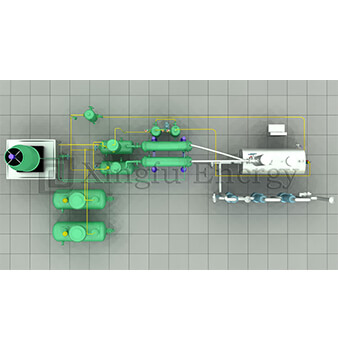
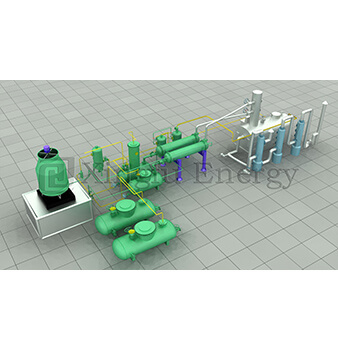
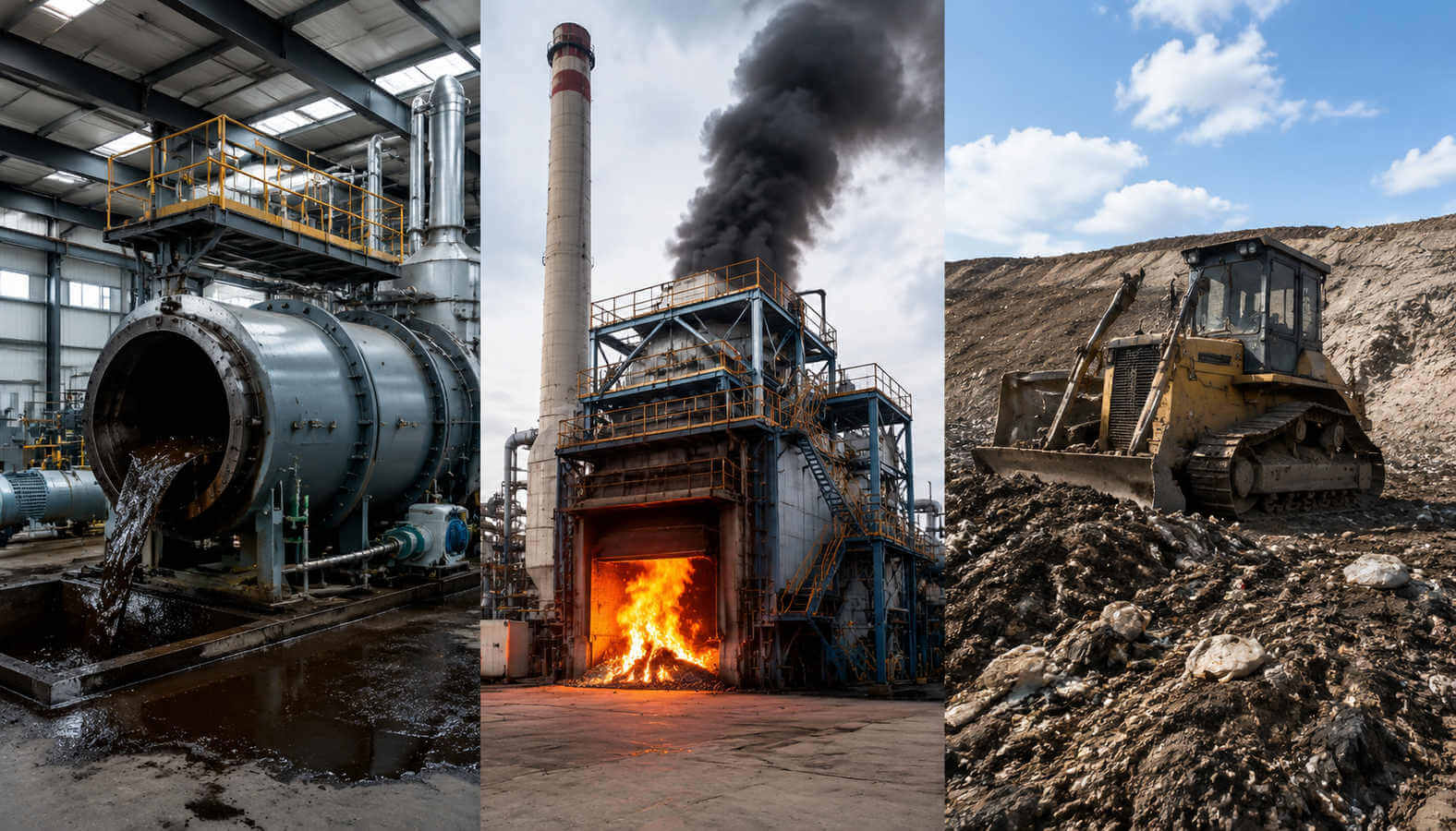
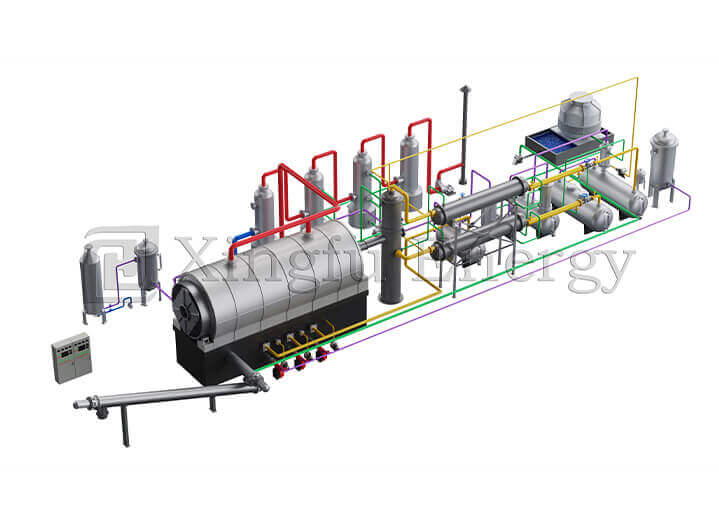
Pyrolysis involves the thermal decomposition of hydrocarbons in an oxygen-free environment. This process converts oil sludge into valuable products such as pyrolysis oil, combustible gas, and solid char residues that can be reused or further processed. The absence of oxygen minimizes combustion reactions, resulting in lower emissions compared to direct incineration. Additionally, pyrolysis allows for significant energy recovery since the produced gas can be recirculated as fuel for heating the reactor itself. These features make the oil sludge pyrolysis system an attractive option for industries aiming to reduce both waste volume and energy costs while maintaining environmental compliance.
Incineration is a process where sludge is burned at high temperature, with the aim of reducing the volume of waste. However, the combustion process produces gases that must be filtered to remove pollutants such as nitrogen oxides and sulfur compounds as well as particulate matter. This type of treatment does allow for the complete destruction of hazardous components in the waste. However, incineration does not have a lot of potential for resource recovery since most of the energy that is released is lost as heat. The continuous consumption of fuel for burning also results in higher operating costs over time.
The disposal of oil sludge in landfills has for a long time been the most common method of waste management for such a type of waste. In many cases, oil sludge is not treated or only partially treated, and then it is dumped in designated facilities in its raw form. The biggest problem with such a form of waste management is the environmental hazards that it poses in the long run. The risk of contamination of the soil and of the underground water by the leachate from the sludge is particularly high. Moreover, the sludge also decomposes anaerobically and thus it releases large amounts of methane, a powerful greenhouse gas. The environmental problems created by the landfilling of oil sludge are generally very expensive to deal with in the long run, and this also applies to the maintenance of such a facility.
Evaluating cost efficiency between pyrolysis, waste incineration and landfilling for disposal, including resource recovery, requires a comparison between upfront capital cost and ongoing operating costs for each method.
Oil sludge pyrolysis system require higher initial investment as typical system are designed as sealed reactors to operate continuously and also to collect condensable oils from gaseous products. However, running cost will be decreased as energy is being recycle within the system. In contrast, incineration facilities require continuous supply of fuel to burn the sludge and the facility will require frequent maintenance to control the emission. Landfill of sludge appears to be cost-effective in the initial stage but will incur huge cost in long-term as monitoring program will be required to be carried out and also possibility of remediation of the dumped site cannot be ruled out as required by regulating authorities.
The pyrolysis process can generate reusable oil and gas that can be used to offset costs of energy or even create revenue by selling the oil as secondary fuel. The process of incineration only has limited energy recovery due to the low efficiency of combustion process. Disposal of waste to landfill has no potential for material reuse or energy recovery and is typically expensive in the short term with ongoing liabilities into the future.
A cement plant’s environmental performance determines its lifecycle costs. Emissions, for example, have to be kept below certain levels to comply with environmental standards. And if environmental damage does occur, costs for the necessary cleanup can add up to hundreds of thousands of dollars over a number of years.
Pyrolysis generates less toxic gas than other methods for processing waste because it is an oxygen-free process. As such, it has lower costs associated with emission control as opposed to incinerators, which require very expensive scrubbers and/or catalytic converters to control emissions to required air quality standards. Landfills on the other hand are facing increasing restrictions as to the amount of methane that can be released to atmosphere, as well as increasing restrictions on leachate management in order to protect groundwater resources worldwide.
Pyrolysis residues are largely inert and can be used directly in the production of building materials, with the possibility of minimal treatment to enhance performance. Ash from incineration contains heavy metals that are classed as hazardous waste and would require specialist disposal at increased cost. In contrast, residues disposed of in landfill require monitoring for long periods, typically decades, including the testing for leachate migration into groundwater and the capture of methane from the waste for destruction. While the initial cost of a landfill may appear low, the total cost over the life of the ownership of the site is typically significantly higher.
In assessing the long-term sustainability of various alternatives, a complete evaluation of their lifecycle economics must include initial installation costs, operational savings, environmental liabilities or responsibilities, as well as potential revenue from recyclable materials.
A comprehensive lifecycle-cost view confirms pyrolysis to be the most-cost-effective method of waste utilization. Not only do pyrolysis-derived fuels and chemicals offer a commodity value that can be sold on the open market while remaining within the boundaries of environmental legislation, the recurrent costs are also lower than those of incineration and landfill. In particular, the pyrolysis oil generated can be used as a replacement for conventional energy-source fuels and thus avoid external supplies. The syngas generated can also be utilized as an energy-source to enable a self-sustaining operation thereby reducing utility-bill expenditures. As is the case with most other methods of waste management, incineration is a costly process, which is largely due to the necessity of using large amounts of fuel for maintaining the high temperatures required for the combustion process and to cover the high costs of the emissions-control measures. Landfill disposal, which in terms of apparent cost seems to be the most cost-effective option of all, loses its competitive edge once the so-called ‘hidden’ or ‘cumulative’ maintenance costs are added to the total costs incurred.
The market situation determines the comparative economics of the above methods. The higher world market price for energy increases the profitability of fuels produced by pyrolysis thus raising the return on investment (ROI). The higher costs of environmental measures for landfill operators quickly bring them down from being cost-effective solutions. Reducing production costs for modern pyrolysis reactors as a result of technological progress, makes them competitive on all levels of industry. They are far more competitive than traditional incineration plants.
Qingdao Xingfu Energy is one of leading pyrolysis oil sludge supplier, a professional manufacturer of high thermal efficiency oil sludge pyrolysis plant for continuous running with less breakdown time. Our latest pyrolysis plant has featured of auto temperature control for best pyrolysis oil yield and highest percentage of fuel oil, which can be turn into other oil products for sales. Our pyrolysis oil sludge waste recycling plant is also modular type, flexible for clients’ different demands. With years of experiences and worldwide sales and service experiences for green pyrolysis plant for industrial waste, Qingdao Xingfu Energy is your ideal partner for your pyrolysis sludge recycling business with most cost-effective environmental solution.
Among the various methods for disposing of waste, pyrolysis has the best-balanced characteristics. Not only is it cost-effective, but it also brings the environmental benefit of using minimum space and recovering maximum value from waste. Hence, it is a disposal method that is incorporated in various waste-disposal systems. Incineration, on the other hand, can be a method for waste disposal, particularly when immediate reduction of volume of waste is required. However, it has less economical merits in terms of continuous use of fuel and strict emission controls to be compliant with the laws of the countries where the plants are to be operated. As for landfilling, it has lower initial expenditure, but its ecological drawback has been a major concern and is losing favor with time. In addition, strict control measures are being enforced by governments worldwide, thus increasing the long-term expenditure substantially. An optimized oil sludge pyrolysis system thus is not only a strategic investment for enterprises that intend to grow sustainably while being profitable, but also a statement of their commitment to promote a circular economy by maximizing waste’s value through so-called waste-to-value strategies.
The main factors to be considered in the assessment are the capital investment required, the volume to be processed, the operational energy usage, the required frequency and intensity of maintenance, the level of regulatory compliance required and the treatment of residual waste, together with the efficiency of the system in reducing sludge volume per processed unit.
While pyrolysis provides best economic efficiency and lowest emissions, processing in combination with pre-treatment steps is necessary, mainly because of the variability of the used feedstock regarding moisture and contaminants and in order to achieve 100% effective processing in different industrial applications.
Maximizing ROI for Enterprises by selecting experienced supplier such as Qingdao Xingfu Energy, completing full feedstock characterization to ensure correct reactor sizing for throughput, implementing full scheduled preventative maintenance, and recovering as much fuel as possible to use on site for increased savings throughout the life of the operation.
 Address: 30th Floor, Building 3, Excellence Darongcheng, Shibei District, Qingdao City, Shandong Province
 Call us now:+86-13791972057
 Email:[email protected]


QINGDAO XINGFU ENERGY EQUIPMENT CO.,LTD