In today’s world, rules keep getting stricter and energy prices keep rising. Distillation plant operators search hard for ways to cut costs. They want to keep output high and product quality strong at the same time. Energy use often takes up 30 to 50 percent of total operating expenses in these facilities. The heating system sits right in the middle of that big challenge.
Thermal oil heaters have become a practical upgrade for modern oil distillation setups. Traditional steam systems lose heat through condensation, blowdown, and line losses. Thermal oil systems deliver steady high-temperature heat with much less waste. Many plants that switch to well-designed thermal oil heaters see clear reductions in fuel use and lower emissions. This matches exactly what buyers in Europe and North America look for when they search terms like “oil distillation” or “thermal oil heater for distillation.”
Imagine a medium-sized facility that processes 20 tons of waste-derived or residual oil every day. The reactor needs even heat to vaporize fractions cleanly. It must separate petrol-range lights from diesel cuts and handle the residue without coking up the equipment. Traditional steam boilers often run hotter than needed early in the cycle. Then they waste energy just to keep pressure steady.
Thermal oil heaters change that situation. The fluid moves at low pressure or even normal pressure. It reaches temperatures up to 300°C or higher while it stays liquid. This setup gives tighter temperature control. It responds faster to process changes. And it loses less energy to the air around it.
Real industry numbers show that good thermal fluid systems can use up to 20 percent less energy than similar steam setups for the same heating job. In actual distillation work, that means real savings on fuel. It also cuts the tons of CO₂ going out the stack.
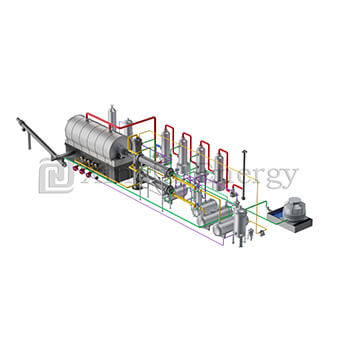
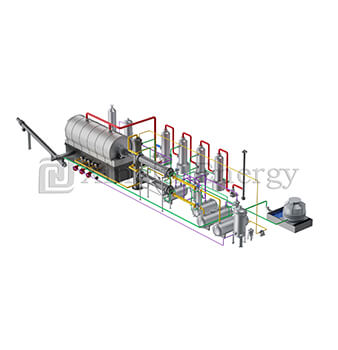
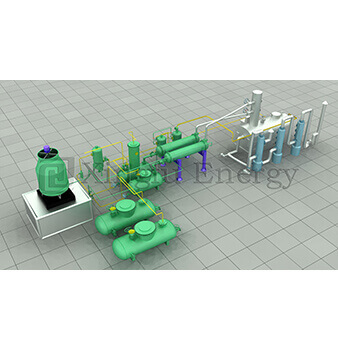
The main advantage comes from indirect heating done properly. In a typical setup for a 20T oil distillation plant, raw material like tyre oil, plastic oil, or waste lube gets dewatered first. Then it goes into the reactor. Instead of firing flames straight against the vessel, which can create hot spots and shorten equipment life, circulating hot air or thermal oil provides even heat transfer.
High-efficiency thermal oil heaters perform well here. They keep stable outlet temperatures with very little swing. Operators can set the exact heat profile needed for each fraction. Lighter vapors come off the top for petrol. Heavier cuts condense lower down for diesel. The outcome is cleaner separation. Yields often reach 85 to 90 percent oil recovery in well-run systems. There is also less off-spec product that needs reprocessing.
One plant manager in a similar operation shared his experience. He cut daily fuel use by about 15 percent after upgrading the heating loop. The system reached operating temperature quicker. It held steady with less overshoot. So the burners did not cycle as often or as hard. That steady performance adds up over months of continuous or semi-continuous runs.
Let’s look at what really counts on the shop floor:
In one real case with heat-integrated distillation, small process tweaks plus better heating control brought around 15 percent energy savings. They saw a similar drop in CO₂ equivalent emissions. Those numbers look even better when regulators add carbon taxes or emissions trading rules.
Think about a facility that recycles used oils or pyrolysis-derived fractions. The distillation column runs 24/7 during busy campaign periods. A high-efficiency thermal oil heater paired with the reactor keeps the temperature ramp smooth. It avoids thermal shock that can crack welds or foul catalysts.
Or consider a chemical plant doing fractionation of specialty cuts. Precise temperature control prevents damage to heat-sensitive compounds. Thermal oil’s high thermal stability lets operators push closer to upper limits when needed. They do this without worrying about steam flashing or pressure spikes.
Here is a simple checklist for evaluating a heater upgrade:
Plants that say yes to most of these points usually see payback in under two years. This is especially true with current energy prices.
Success depends on more than just the heater alone. You need a supplier who understands the full process. That includes everything from pyrolysis oil production through final distillation. They must match the heating system to your specific flow rates, viscosities, and temperature profiles.
 Qingdao Xingfu Energy Equipment Co., Ltd. brings more than ten years of practical experience. They serve as a manufacturer of industrial boilers, pressure vessels, and complete waste tire and plastic pyrolysis systems. The company started in 2010 in Qingdao, Shandong Province. It runs a large facility with a skilled team that includes many engineers and certified welders. They hold important certifications such as CE, ISO9001, and A-level boiler manufacturing licenses. Their equipment ships to more than 30 countries.
Their knowledge covers the whole value chain. They design reliable pyrolysis plants that turn waste into usable oil. Then they support the downstream oil distillation steps with strong heating solutions. This full understanding helps customers avoid common mismatches. Those mismatches happen when people buy the reactor from one vendor and the heater from another. The outcome is smoother startup, better overall efficiency, and equipment built tough enough for the daily demands of recycling and refining work.
High-efficiency thermal oil heaters offer a practical and proven way for distillation plants to trim energy costs. They tighten process control and shrink their carbon footprint. All of this happens without tearing out entire production lines. As rules get tighter and buyers want greener credentials, these systems move from nice-to-have to must-consider items.
Operators who spend time upfront matching the right thermal oil heater to their oil distillation setup often find the upgrade pays back faster than expected. They also get quieter, cleaner, and more reliable operation in the long run.
Thermal oil heaters move heat more steadily than steam systems. The fluid stays liquid over a wide temperature range. This reduces losses from condensation and pressure management. It often leads to real drops in fuel use, sometimes in the 10 to 20 percent range. The exact savings depend on plant layout and daily habits.
Yes, it can. Burning less fuel to deliver the same process heat lowers CO₂ emissions directly. Many modern designs also support cleaner combustion or alternative fuels. This makes it easier to meet environmental reporting needs in Europe and North America.
They pair especially well with plants that handle waste tyre oil, plastic pyrolysis oil, or residual oils. The stable temperature control helps achieve good separation of petrol, diesel, and heavier fractions. It also cuts down on coking and equipment wear.
Payback periods vary with local energy prices and how much the plant runs. Many plants report breaking even within 18 to 24 months. They save on fuel and reduce downtime. The exact time depends on your current system’s efficiency and daily throughput.
Usually not. Lower operating pressures put less stress on parts. Proper fluid management keeps everything running smoothly. Routine checks focus more on fluid quality and pump performance rather than frequent tube replacements or steam trap repairs.
 Address: 30th Floor, Building 3, Excellence Darongcheng, Shibei District, Qingdao City, Shandong Province
 Call us now:+86-13791972057
 Email:[email protected]


QINGDAO XINGFU ENERGY EQUIPMENT CO.,LTD