You sit down with the spreadsheets. Scrap tires stack up high in dumps all over the world. Fuel oil prices look steady enough in plenty of spots. The idea of turning that waste into cash flow sounds pretty solid at first. Then reality hits. A waste tyre pyrolysis plant can look like a winner on paper. But plenty of folks dive in full of hope and run into snags that drag out the payback or force costly repairs later.
High initial investment and slow returns sit at the top of worries for most new players. That makes sense. These setups don’t come cheap. And they sure don’t start printing money right away. The toughest parts often hide in five stubborn problems that trip up even seasoned operators. Let’s walk through them straight, with real examples from the field and clear ways to dodge the worst trouble.
Tires never arrive like clockwork. One month you line up good deals with local collectors or city contracts. The next month prices jump or the supply just dries up. Seasonal swings or fresh landfill rules can throw everything off.
Imagine your 30-ton plant sitting quiet for weeks. Shredded tires run low. Labor and power bills keep piling up while output falls flat. In areas without solid scrap networks, this kind of swing can chew through 20 to 30 percent of your expected profit.
How to handle it: Nail down long-term agreements with several suppliers right from the start. Work with municipal waste teams, tire shops, and trucking companies. Some operators set up their own pickup routes or team up with logistics outfits. If you’re unsure, begin on a smaller scale to test the local supply before you go big. Steady tires matter more than any fancy machine.
Old-style pyrolysis units battle the same two headaches year after year: thick carbon layers building up inside the reactor and leaky seals when material keeps moving in and out.
That carbon crust forms when heavy oils stick to the hot walls. Heat transfer drops fast. Oil output falls. You end up shutting down often to scrape it clean. Equipment wears out quicker too. Batch plants suffer the most, but some continuous ones still struggle if material doesn’t flow evenly.
Seals create another headache. Tires go in and slag comes out while the reactor turns or holds pressure. Any gap lets gas escape, raises safety risks, or triggers emission violations.
I’ve watched plants where bad seals meant constant fixes. Workers patched things on the fly. Expected oil yields of 45 to 50 percent dropped into the low 30s instead.
Smart mitigation: Pick proven fully continuous systems with rotating reactors built to fight that carbon buildup. These designs keep material moving smoothly. They use hot air flow and mild catalysts to cut down on sticking. Automatic slag removal and closed cooling loops help a lot. Plants running this way stay online longer and deliver more consistent product.
Rules keep getting tighter. What cleared inspections a few years back might fail today. Dioxins, volatile compounds, sulfur gases, and fine dust from the exhaust can bring heavy fines, forced shutdowns, or angry neighbors.
In Europe or parts of North America, you need several stages of gas cleaning to hit strict limits. One glitch during startup or a sudden stop can create big problems.
Folks who cut corners on pollution gear often pay later when authorities demand upgrades in the middle of operations.
Practical steps: Plan solid budget for good exhaust treatment from day one. Think pulse filters, desulfurization units, and water-sealed gas recycling. Fully closed processes that burn syngas inside the system cut outside fuel needs and lower emissions on their own. Choose gear already tested in several countries and proven to meet or beat current standards.
Your plant makes fuel oil, carbon black, steel wire, and some syngas. Nice. But who actually buys it all, and at what price?
The oil often needs extra refining or blending to satisfy buyers. Carbon black quality swings wildly. Cheap grades sell as basic filler. Better upgraded material brings higher prices in rubber or ink markets. Steel wire moves easier, but too much supply in your area can crush local prices.
A lot of plants focus hard on the tech and treat sales like an afterthought. Warehouses fill up fast. Cash flow slows to a crawl. Promised payback of 12 to 18 months stretches into three or four years.
Better approach: Map out your buyers before you sign any big order. Line up agreements for the fuel oil with nearby factories or blenders. Look into simple upgrading steps for the carbon black or direct sales to tire makers. In some places the syngas powers the plant itself and slashes running costs. Don’t put all your eggs in one basket.
Waste tire rules shift all the time. One year governments hand out subsidies. The next they add new taxes or limits. Pyrolysis sometimes counts as recycling. Other times it gets labeled as energy recovery or even plain burning.
Permits can drag on for months or longer. In spots without clear guidelines, sudden policy changes can kill the economics overnight.
Risk reduction: Talk to local experts who know the waste laws early. Pick sites and designs with some built-in flexibility. Plants that recycle syngas and cut outside energy use often fit green incentive programs better. Stay connected with industry groups so surprises don’t catch you flat-footed.
Here’s a quick side-by-side look at common traps versus solid fixes:
| Challenge | Common Pitfall | Practical Fix |
| Raw Material Supply | Relying on spot market only | Long-term contracts + own collection network |
| Technical Bottlenecks | Basic reactor designs | Anti-coking rotating reactors + automatic systems |
| Environmental Compliance | Minimal treatment systems | Multistage enclosed gas processing |
| Product Markets | Assuming easy sales | Pre-arranged off-take agreements |
| Policy Uncertainty | Ignoring local regs until late | Early legal review + flexible design |
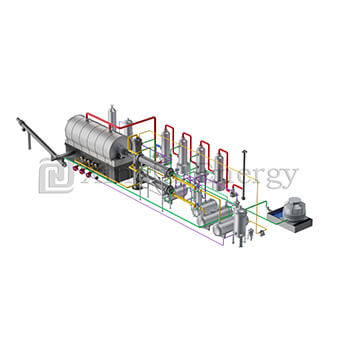
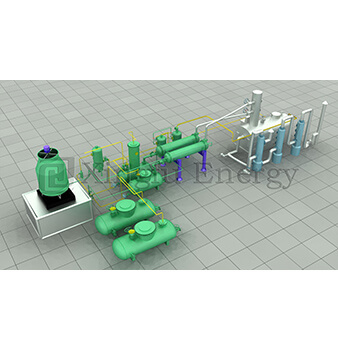
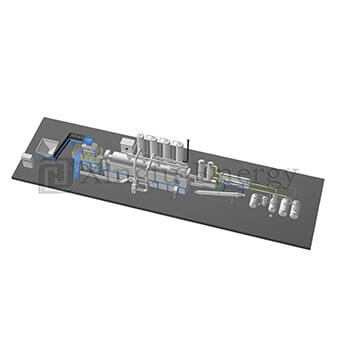
Not every waste tyre pyrolysis plant deals with these issues the same way. Fully continuous setups, especially the 15-ton or 30-ton daily models, stand out. They run around the clock with very few stops. Shredded tires under 20mm feed in steadily. Oil and gas condense well through several cooling stages. Carbon black and steel wire come out automatically.
These plants often hit 45 to 50 percent fuel oil yields. They burn their own syngas and keep fuel costs almost zero after startup. Tight seals stop leaks. Most need only two or three people per shift, which helps keep labor costs down. Real operations in Turkey, Spain, Malaysia, and Bulgaria show that solid tech helps plants reach steady production much faster.
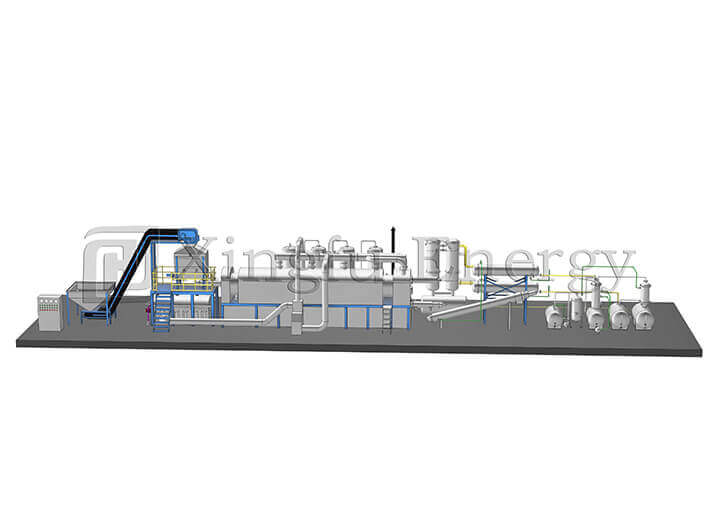
Before you lock in your plans, take a moment to learn about one established name in this field. Qingdao Xingfu Energy Equipment Co., Ltd. started back in 2010 in Qingdao, China. They build industrial boilers, pressure vessels, and systems for waste tires and plastics pyrolysis. The company runs a big production base and employs a solid team of engineers and skilled workers. Their equipment has gone out to more than 30 countries. They draw on years of experience in pressure equipment and energy systems to deliver reliable continuous pyrolysis designs that focus on steady operation and solid emission controls.
Putting money into a waste tyre pyrolysis plant is no fast path to easy riches. The upfront cost feels heavy. The route to steady profits has plenty of bumps—unsteady tire supply, tricky technical issues, stricter environmental rules, sales problems, and shifting policies. Still, for people who plan things out carefully, the chance to turn a growing waste headache into useful fuel oil, carbon black, and steel wire stays attractive.
Success usually comes from picking proven technology, locking in feedstock and buyers early, and baking strong compliance into the project from the beginning. Do your homework. Visit working sites if you can. Talk with folks already running these plants. When everything lines up, these projects can pay off financially and help clean up waste at the same time.
Realistic planning around steady tire supply and solid product sales makes the difference. Good continuous plants can reach payback in 18 to 36 months when conditions line up. They offer lower costs per ton than older batch systems. Look at the full picture over time instead of just the sticker price.
They use rotating reactors with special designs that fight carbon buildup. Material flows evenly. Hot air heating and mild catalysts keep things cleaner. These systems run longer stretches without frequent cleaning and hold onto higher oil yields.
Focus on closed systems with several stages of exhaust cleaning that meet today’s local and international rules. Burning syngas inside the plant also cuts outside fuel use and helps lower emissions. That makes it easier to stay compliant as regulations change.
In well-built continuous plants, yes. Fuel oil output settles around 45 to 50 percent. Carbon black comes out more uniform. Many operators line up buyers by offering steady volumes and simple upgrading when needed for better markets.
With solid continuous technology and proper setup, most plants settle into reliable 24/7 runs within a few months after startup. The learning curve gets much shorter when the equipment already has real-world hours in different countries.
 Address: 30th Floor, Building 3, Excellence Darongcheng, Shibei District, Qingdao City, Shandong Province
 Call us now:+86-13791972057
 Email:[email protected]


QINGDAO XINGFU ENERGY EQUIPMENT CO.,LTD