Tire piles keep growing at recycling yards and landfills. Local officials show up more often with air quality complaints. New rules roll out every year—tighter particulate limits in the EU, stricter PM2.5 standards in many U.S. states, and China’s ongoing push for cleaner industrial processes. Operators face a tough choice. Stick with old methods and risk shutdowns, or invest in something that actually clears the hurdles. That’s where a well-built 10-ton batch-type pyrolysis plant steps in, especially one with pulse dust removal that keeps dust emissions at zero during discharge.
This isn’t about fancy marketing claims. It’s about real-world tech that lets you run without constant worries over inspectors or fines. Let’s break down how this setup handles today’s—and tomorrow’s—environmental demands.
When you crack open a reactor after a batch finishes, carbon black comes pouring out. Fine black powder flies everywhere if you don’t control it. Old plants used basic cyclones or wet scrubbers. They caught some dust, but plenty still escaped into the air or settled on nearby equipment. Neighbors noticed. Regulators noticed more. In places like California or parts of Europe, exceeding particulate limits can mean daily fines in the thousands or forced halts.
Pulse dust removal changes the game. It uses short bursts of compressed air to blast dust off filter bags. The collected material drops straight into a sealed conveyor. No clouds. No visible smoke. The system keeps the discharge area enclosed and clean. Operators who’ve switched report almost no complaints from downwind properties. Stack tests come back clean. That means smoother permitting and fewer surprise visits.
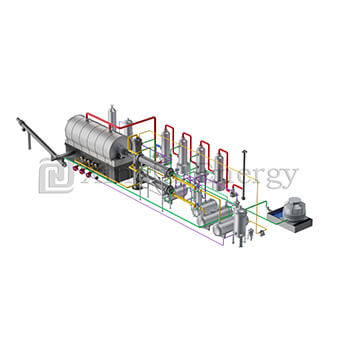
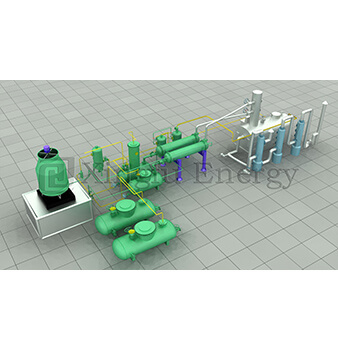
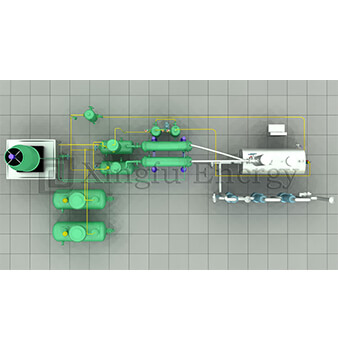
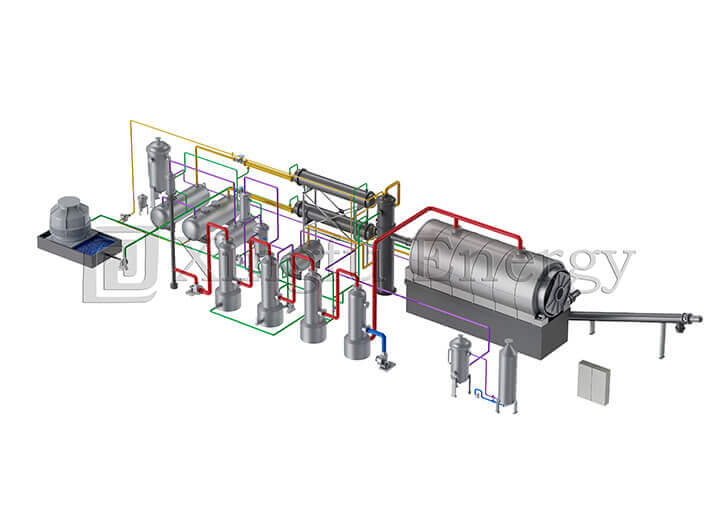
The 10T model (XFLJ–10) handles 10 tons of whole tires per day—no shredding needed. After pyrolysis wraps up at around 650°C, the automatic slag remover pushes out coarse carbon black and steel wire. Then the pulse dust removal kicks in during discharge.
Key points on this system:
Combine that with multilevel condensers for oil and desulfurization on tail gas. Flammable syngas gets cleaned, sent through a water-sealed tank, and reused in the hot air furnace. The whole setup keeps exhaust low on particulates and sulfur. In practice, plants like this pass local air quality checks even in areas with tough rules.
Take a small operator in Southeast Asia. They installed a similar 10T batch plant in 2024. Local rules required particulate emissions below 30 mg/Nm³. Without good dust control, their old setup hit 150–200 mg/Nm³ during discharge. After adding pulse dust removal, stack tests showed under 10 mg/Nm³—well below limits. They got full operating approval in weeks instead of months.
In the U.S., a Midwest recycler faced EPA scrutiny over fugitive dust. Neighbors had filed complaints. The plant switched to a pulse system. Discharge became enclosed and automated. Air monitoring showed no spikes. The facility stayed open and even expanded feedstock contracts because regulators saw real improvement.
Europe’s tightening standards add pressure too. Many countries now align with EU Industrial Emissions Directive levels for particulates. Pulse filtration helps meet those without expensive add-ons like electrostatic precipitators.
The pulse system isn’t the only piece. Whole-tire feeding cuts preprocessing dust from shredding. Multilevel cooling grabs more oil, so less oily vapor escapes. Syngas reuse drops external fuel needs and reduces combustion emissions.
Yields stay reliable:
You turn waste into products while keeping the footprint small. Operators often say the clean operation opens doors to grants or green certifications that offset some equipment costs.
| Method | Dust Capture Efficiency | Maintenance Needs | Visible Emissions | Compliance Ease in Strict Areas |
| Basic Cyclone | Medium | Low | High | Poor |
| Wet Scrubber | High | Medium-High | Low | Medium |
| Pulse Dust Removal | Very High | Medium | None | Excellent |
| Electrostatic Precipitator | High | High | Low | Good |
Pulse stands out for batch plants because it handles the intermittent discharge bursts well without constant water use or high power draw.
Before you move forward, consider who builds the equipment. Qingdao Xingfu Energy has focused on industrial boilers, pressure vessels, and waste tires & plastics pyrolysis systems since 2010. Their 70,500-square-meter facility in Shandong employs 228 people, including 78 technicians and 65 certified welders. They hold CE and ISO9001 certifications, plus A-level boiler maker status and pressure vessel licenses. Gear ships to over 30 countries, from Mongolia to Spain, and customers frequently praise the build quality and ongoing support. Their 10T batch plants come with the pulse dust removal built in, helping operators meet local rules right from startup.
Stricter emission standards aren’t going away—they’re getting tougher across the board. A 10T pyrolysis plant equipped with pulse dust removal gives you a practical edge. It eliminates dust emissions during discharge, keeps your operation quiet and clean, and helps sail through environmental reviews without major headaches. You process waste tires responsibly, produce valuable outputs, and build a business that regulators and neighbors can live with. In an industry full of trade-offs, this tech delivers real peace of mind.
Ready to see how it fits your site? Reach out to a manufacturer that knows these systems inside out. The right setup turns environmental compliance from a roadblock into a competitive advantage.
What makes an environmentally friendly pyrolysis plant stand out in 2026?
Look for features like pulse dust removal that deliver no dust emissions during discharge. Combined with tail gas desulfurization and syngas reuse, it keeps particulates and odors way down, helping you meet tightening global standards without extra add-ons.
How does pulse dust removal help pass strict emission standards?
It captures fine carbon black dust right at the source using compressed air pulses on filter bags. The process stays fully enclosed, so no visible dust escapes. Real stack tests often show levels far below required limits, making permitting faster and easier in regulated areas.
Can a 10T batch-type pyrolysis plant really run with zero dust emissions?
Yes, when equipped with pulse dust removal. The system processes discharge without releasing powder into the air. Operators in various countries report clean sites and successful inspections thanks to this setup.
Does this environmentally friendly pyrolysis plant technology add much to operating costs?
Not really. Pulse systems run on existing compressed air and need routine bag checks—similar to other filters. The payoff comes from avoiding fines, quicker approvals, and happier neighbors, which keeps the plant running steadily.
How do I know if pulse dust removal meets my local environmental rules?
Share your location and current regs with the manufacturer. They’ll provide spec sheets, past test data, and sometimes connect you with operators in similar areas who’ve passed inspections using the same tech.
 Address: 30th Floor, Building 3, Excellence Darongcheng, Shibei District, Qingdao City, Shandong Province
 Call us now:+86-13791972057
 Email:[email protected]


QINGDAO XINGFU ENERGY EQUIPMENT CO.,LTD