If you’re hunting for a tyre pyrolysis plant these days, chances are the very first thing you type into Google is “tyre pyrolysis plant cost.” Good call. Right now in 2026, fuel prices keep jumping around, landfill charges keep rising, and fresh environmental rules are getting stricter almost everywhere. Serious buyers want clear, no-nonsense answers about what a dependable batch-type system really costs and how quickly it starts paying for itself. This guide lays out actual numbers based on the 20-ton-per-day plants that real operators use every single day. No hype—just the plain facts you need before putting money down.
Batch-type plants work one load at a time. You fill the reactor, close it tight, crank up the heat, gather the products, let everything cool, then empty it out. Pretty straightforward. That’s exactly why lots of people still pick batch setups when they handle 10–25 tons daily and don’t want the extra hassle—or higher price—of a continuous system.
The whole process stays simple. Many models take whole tyres straight in—no need to chop them up first. Inside the sealed reactor, heat tears the rubber apart without any oxygen present. What comes out is fuel oil, carbon black, steel wire, plus a small amount of syngas you can burn to help heat the next run. Most folks choose batch because the starting price stays lower. You can begin on a smaller scale and grow later. Best of all, you decide when to run. Do three batches today, skip tomorrow if tyres aren’t showing up fast enough. That kind of control really helps when you’re just getting going.
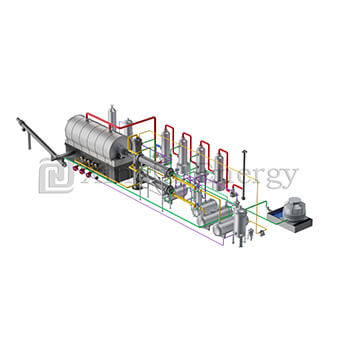
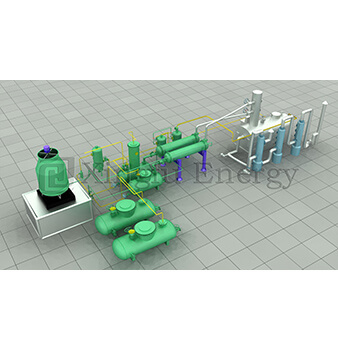
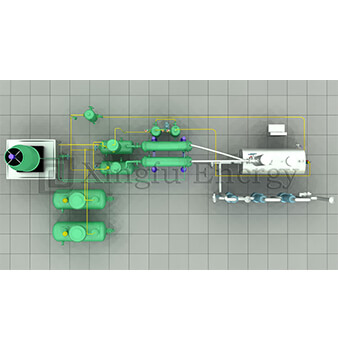
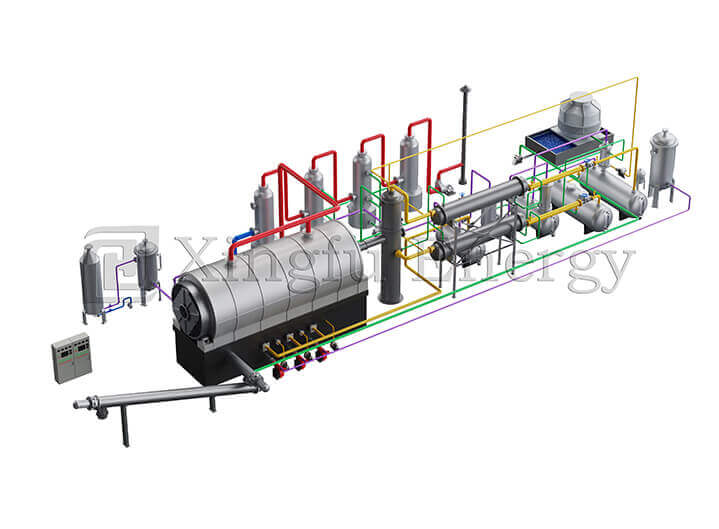
Right now one of the most asked-for setups is the 20-ton-per-day batch plant. Here’s what a solid unit normally includes:
The yields hold steady: 40–45 % fuel oil, 32–36 % carbon black, 14–16 % steel wire, and 5–8 % syngas. The setup uses several layers of condensers so you capture almost every drop of oil. Pulse dust removal keeps smoke very clean. Operators really like the automatic slag remover and magnetic separator. Less heavy lifting at the end of each cycle. Overall, you get strong production without constant headaches.
Let’s get to the dollars. A good 20T batch-type tyre pyrolysis plant usually falls between $90,000 and $160,000 in 2026. The final price depends on several key things.
Here’s how it normally breaks out:
Add everything together and most people end up paying $120,000–$140,000 for a complete turnkey job. Why the spread? The ability to feed whole tyres saves $15,000–$25,000 right off the bat—no extra shredder needed. CE and ISO certification adds a bit to the cost but makes paperwork much easier in Europe and North America. Location plays a role too. Land prices in rural Midwest spots are way cheaper than near big coastal cities.
One quick reminder: set aside working cash for the first three months of tyres and utilities. Figure another $15,000–$25,000. So the real total for most first-timers? Somewhere around $150,000–$170,000.
After startup, these are the everyday expenses you’ll track:
Real operators say total daily running costs land between $600 and $900 when they plan carefully. That’s for processing a full 20 tons. Not terrible when you look at what comes in.
Here’s where things get interesting. Run the 20T plant about 300 days a year and the figures look like this:
| Product | Daily Output (avg) | Market Price 2026 (conservative) | Daily Revenue |
| Fuel oil | 8.4 tons | $480–$550 per ton | $4,000–$4,600 |
| Carbon black | 6.8 tons | $280–$350 per ton | $1,900–$2,400 |
| Steel wire | 3 tons | $380–$450 per ton | $1,140–$1,350 |
| Syngas (reused) | — | Offsets fuel | $0 (savings) |
Total daily gross revenue: $7,000–$8,300 Subtract average operating costs of $700 and you’re left with $2,000–$3,000 clear profit each day.
The payback calculation is pretty simple. Take $130,000 for equipment plus $25,000 working capital = $155,000 total outlay. Divide by $2,500 average daily net profit and you reach break-even in roughly 62 working days—about 3–4 months. Plenty of buyers say they recover the full investment, including setup, inside 8–10 months once feedstock flows steadily.
Think about a recycling yard just outside Atlanta. They take in 18–20 tons of tyres they pick up for free or even get paid a small fee to haul away. By the seventh month they had the plant paid off and started pocketing real money. You hear stories like that popping up regularly in the business.
Several things are working in your favor this year:
Pick a plant that handles whole tyres and has strong condensers. That choice locks in the best possible yields. Stay away from bargain-basement reactors with thin steel. Otherwise you’ll spend more time fixing things than making money.
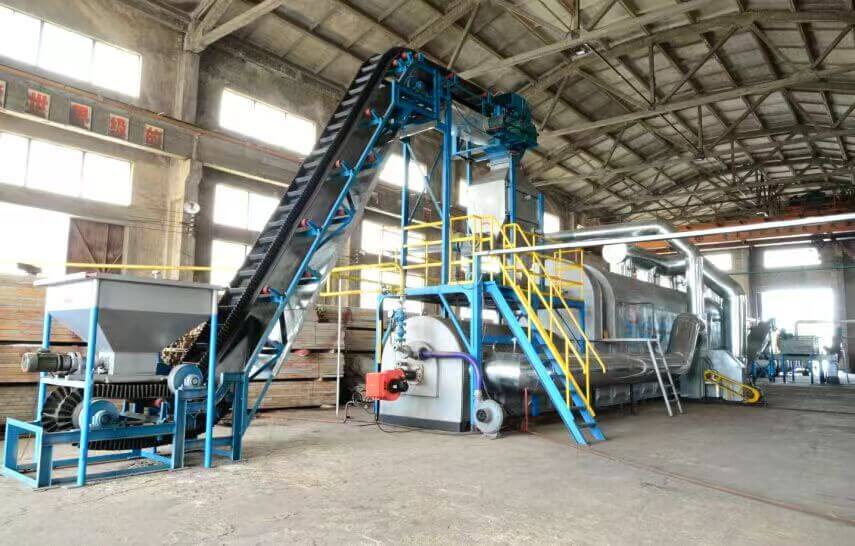
Before you decide, know the company behind the equipment. Qingdao Xingfu Energy has been building industrial boilers, pressure vessels, and waste tyres & plastics pyrolysis systems since 2010. Their big 70,500-square-meter plant in Shandong produces sturdy, certified gear that ships to over 30 countries. They carry CE and ISO9001 approvals and keep a large crew of skilled engineers and certified welders on staff. People who install their 20T batch units frequently mention smooth startups, very low emissions, and helpful support long after the plant arrives.
A batch-type tyre pyrolysis plant in 2026 isn’t merely another machine—it’s a practical way to turn waste tyres into reliable income. Plan to spend $120,000–$160,000 on a quality 20T setup, run it for $600–$900 daily, and bring in $2,000–$3,000 net profit once everything runs smoothly. Getting your money back inside a year is very doable for anyone who secures steady tyres and sticks to routine maintenance. The math checks out. The technology has been field-tested for years. And the market keeps expanding.
Ready to figure out the numbers for your own area? Talk to a manufacturer that actually builds these plants month after month. The right partner turns a good idea into fast returns.
What is the typical tyre pyrolysis plant cost for a 20T batch-type model in 2026?
Most buyers pay between $90,000 and $160,000 for the main plant. Full turnkey prices usually hit $150,000–$170,000 after you include shipping, installation, and permits. The whole-tyre feeding feature keeps costs lower by skipping a separate shredder.
How long does it take to see ROI on a batch tyre pyrolysis plant?
With daily net profits running $2,000–$3,000, most operators recover their full investment in 8–10 months. Some pay it off quicker when they earn tipping fees or sell products at the stronger end of market prices.
What yields should I expect from a good 20T batch tyre pyrolysis plant?
Expect roughly 40–45 % fuel oil, 32–36 % carbon black, 14–16 % steel wire, and 5–8 % syngas. That combination delivers the revenue figures shown earlier when you use consistent feedstock.
Is a batch-type plant still worth it compared with continuous systems?
Yes, especially if you’re new or handling less than 30 tons daily. The lower starting price, simple operation with only 2–3 workers, and the freedom to match your tyre supply make batch a smart first choice for most people.
How do I get accurate tyre pyrolysis plant cost and ROI numbers for my country?
Reach out to a manufacturer and share your location, local electricity rates, and tyre supply details. They’ll build a custom breakdown using your actual fuel prices, labor costs, and product markets—far more useful than generic online tools.
 Address: 30th Floor, Building 3, Excellence Darongcheng, Shibei District, Qingdao City, Shandong Province
 Call us now:+86-13791972057
 Email:[email protected]


QINGDAO XINGFU ENERGY EQUIPMENT CO.,LTD