The world generates over 1.5 billion waste tires every year. Add in millions of tons of discarded plastic, and the scale of the problem becomes clear. Landfills are filling up fast, incineration draws heavy criticism for air pollution, and governments keep tightening disposal rules. For companies handling large volumes of waste—whether tire recyclers, plastic processors, or industrial waste managers—the old ways simply don’t cut it anymore.
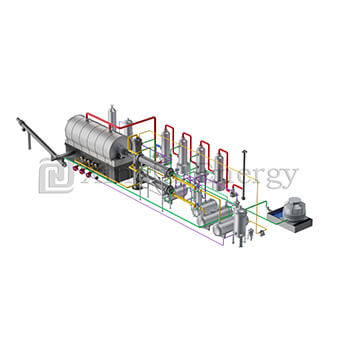
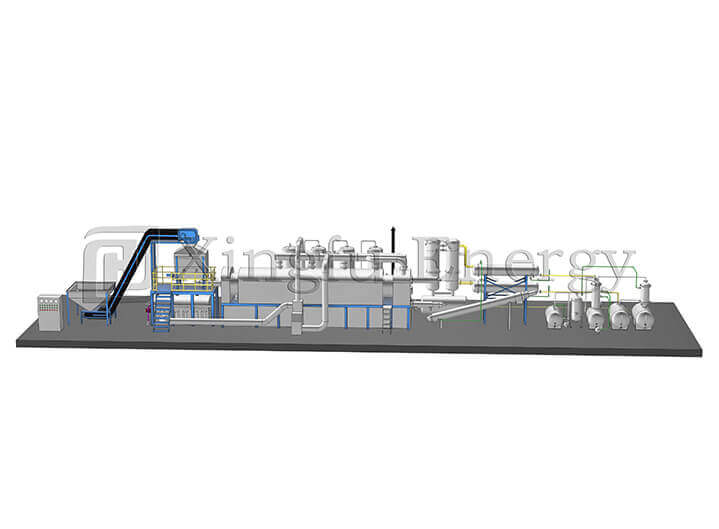
That’s where fully continuous pyrolysis plants come in. Unlike traditional batch systems that run one load at a time, these plants operate around the clock with material feeding in one end and products coming out the other. The result? Higher throughput, lower operating costs, better emissions control, and far more consistent output. For anyone serious about scaling waste-to-energy operations, continuous pyrolysis is quickly becoming the smart long-term choice.
Batch pyrolysis has stuck around for a long time. You fill the reactor. Heat it. Wait until everything finishes. Cool the whole thing. Then empty it out. It gets the job done. Still, the process drags on. It eats up a lot of manual work too.
Fully continuous setups change the game completely.
Shredded tires or plastic move in steadily on a conveyor. The reactor stays at a steady heat and pressure the whole time. Fuel oil, carbon black, steel wire, and syngas flow out automatically. No pauses.
Look at the real numbers. A solid 30T fully continuous waste tyre (plastic) pyrolysis plant handles 30 tons a day. It runs nonstop for 24 hours with just two or three people watching it. Older batch plants usually need bigger crews. They put out far less because of all the stopping and starting to load, unload, and cool.
Companies facing big, steady waste piles spot the advantages fast.
A 30-ton-per-day continuous plant never stops to reload. Once you fire it up, it keeps going. Plenty of real setups run more than 300 days a year. They only pause for scheduled upkeep. That steady run means a lot more product. It also means more money coming in.
At startup, the system might burn about 400 kg of fuel to get going. After that, it uses its own syngas to stay hot. Fuel costs drop to nothing during regular running. No more buying extra fuel every month—especially nice when prices jump around.
Fewer workers help too. You don’t need big teams to load and unload reactors anymore. A small group just keeps an eye on the automated feed, the slag removal, and the product collection.
Newer continuous plants stay closed up tight from start to finish. Shredded stuff travels through sealed conveyors straight into the reactor. No open doors. No clouds of dust. The exhaust runs through several cleaning steps—desulfurization, scrubbing, sometimes bag filters—before it hits the air. A lot of these setups already hit tough European emission rules. That matters a ton when inspectors show up.
Steady heat—usually around 650°C or a bit lower—stops hot spots that ruin oil in batch runs. Multiple cooling stages grab more oil vapor before it escapes. On a 30T plant, you typically see yields like these:
The oil turns out cleaner and more stable. That makes it simpler to sell or send for extra refining.
Special anti-coking reactors and hot-air heating loops help the equipment last. Many plants carry a solid 10-year life expectancy when folks take decent care of them. Automatic slag scrapers and magnetic separators keep everything moving smoothly. You don’t have to stop and dig stuff out by hand all the time.
This setup shines brightest when waste piles up fast and stays consistent.
Large tire collection outfits that move hundreds of tons monthly. Plastic recycling operations handling post-industrial scraps or sorted household plastic. City or factory waste teams hunting for better options than landfills or straight burning. Businesses already moving fuel oil, carbon black, or scrap steel who want to crank up volume.
Smaller outfits might stick with semi-continuous or batch gear for now. But once you hit 20–30 tons a day, the math usually swings hard toward fully continuous plants.
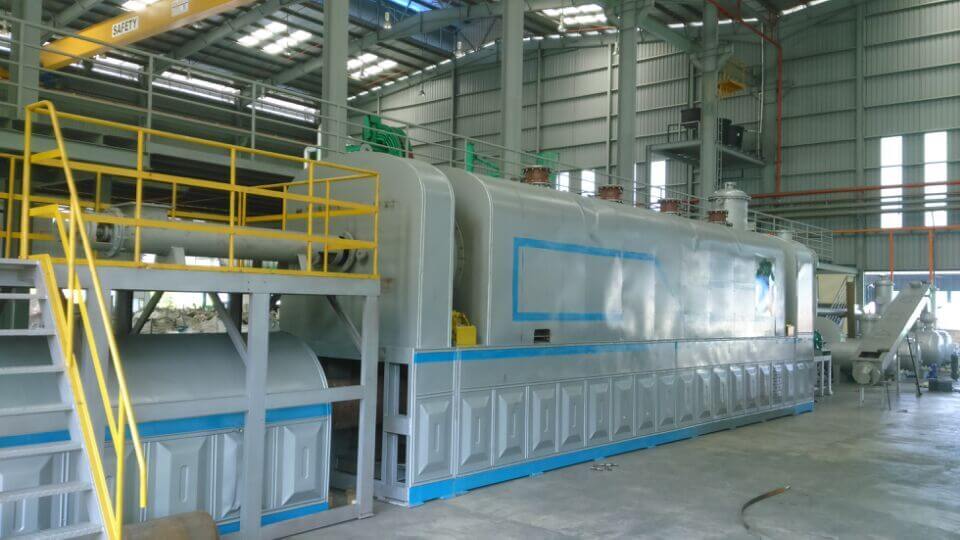
Qingdao Xingfu Energy Equipment Co., Ltd. started back in 2010. They set up shop in Qingdao, Shandong Province. The outfit focuses on industrial boilers, pressure vessels, and systems that turn waste tires and plastics into something useful. They build both batch and fully continuous pyrolysis plants. Their 30T fully continuous waste tyre (plastic) pyrolysis plant stands out as a top pick for big-volume customers.
They carry CE and ISO9001 certifications. They also hold A-level boiler and pressure vessel licenses. Products ship to more than 30 countries. Their plants get noticed for sturdy anti-coking reactors, fully enclosed lines, and multi-stage cleaning that lines up with strict environmental rules. Years of hands-on work let them deliver gear that holds up well at high output.
Waste-to-energy has moved past hype. It now stands as a real need for industries staring down higher dump fees, tougher laws, and calls to run cleaner. Fully continuous pyrolysis plants bring together big capacity, low running costs, steady output, and solid environmental performance. That mix matches what today’s operations really need.
For outfits dealing with lots of waste tires or plastics, switching to continuous often marks a major turning point. Bigger throughput and heavy automation lift profits. Cleaner exhaust and self-fueling heat help meet rules and public expectations at the same time.
The tech works. The payback adds up. The green side looks strong too. Waste keeps piling higher. Old disposal paths keep closing off. Step by step, fully continuous pyrolysis feels more and more like the road ahead.
What is a 30T fully continuous waste tyre (plastic) pyrolysis plant?
It is a big system that takes in 30 tons of shredded waste tires or plastics every day. The whole thing runs without stopping. Waste feeds in steadily. Fuel oil, carbon black, steel wire, and syngas come out on the other end.
How does a fully continuous pyrolysis plant compare to batch systems?
Continuous plants run around the clock. They deliver much higher daily output. They need only two or three operators per shift. After startup they burn their own syngas for heat. The oil stays more consistent because temperatures don’t swing wildly. Batch setups force frequent stops for loading, cooling, and unloading. That cuts total production way down.
What are the main end products from a 30T fully continuous pyrolysis plant?
Typical yields include 45–50% fuel oil, 32–36% carbon black, 2–14% steel wire, and 3–5% syngas. The fuel oil can be sold or refined, carbon black goes into industrial uses, and steel wire gets recycled.
Are continuous pyrolysis plants environmentally friendly?
Modern ones do a good job here. They stay fully enclosed so dust and leaks stay inside. Exhaust gets cleaned in several stages to cut sulfur and particles. Many reach European emission levels. Burning their own syngas drops outside fuel use and shrinks the carbon footprint compared with older disposal tricks.
How many people does it take to run a 30T fully continuous pyrolysis plant?
Just two or three folks per shift handle it. They watch the controls. Automated conveyors, slag removers, and separators do most of the heavy work.
 Address: 30th Floor, Building 3, Excellence Darongcheng, Shibei District, Qingdao City, Shandong Province
 Call us now:+86-13791972057
 Email:[email protected]


QINGDAO XINGFU ENERGY EQUIPMENT CO.,LTD