Hey there. If you handle industrial waste every day, you know plastic disposal gives people real headaches. Factories pump out huge amounts of it. We’re talking packaging leftovers, faulty items, and all sorts of scraps. Throwing everything into landfills just doesn’t work anymore. Pyrolysis technology steps in here. It’s a clever, practical method. It changes that junk into something valuable. This guide walks you through it clearly. We cover the basics, the real advantages, and actual setups that deliver results. Hang in there. You could discover exactly what your facility has been missing.
Imagine a busy factory in the Midwest. Conveyor belts keep spitting out plastic bits nonstop. Last year U.S. industries created more than 40 million tons of plastic waste. That’s according to EPA numbers. A big chunk gets buried or burned. Both ways release nasty stuff into the air and ground. This isn’t only bad for the planet. It hits your bottom line hard too. Rules keep getting stricter. Penalties add up fast. People now expect companies to act responsibly.
Why should you care? If you run a plant or manage waste, letting plastic pile up costs money and brings trouble. Old-school burning puts out fumes that can get you in trouble with inspectors. Recycling looks nice on paper. But plenty of plastics arrive too dirty or mixed together. They’re tough to process. That’s exactly why better plastic waste disposal solutions matter so much. They don’t simply toss the material away. They transform it into fuel, useful chemicals, or fresh raw stuff. Pyrolysis leads this group right now.
Pyrolysis basically heats plastic in a very hot, oxygen-free oven. No fire. No thick smoke. Just steady heat that tears the material apart. It produces gases, oils, and a black char. Picture it as super-fast breakdown. Everything happens inside a closed reactor. Temperatures usually reach 400 to 600°C. The exact number depends on your setup.
I once talked with a plant manager down in Texas. He switched to pyrolysis after dealing with landfill issues for years. “It completely changed things,” he told me. “We tossed in shredded polyethylene. Out came oil that ran our generators.” That’s the real appeal. Pyrolysis takes long plastic chains and turns them into shorter, handy hydrocarbons. No surprise it’s catching on in automotive plants, packaging houses, and electronics factories.
Let’s keep it straightforward. The main steps are simple. First, you prepare the plastic—shred it and dry it. Next comes the actual pyrolysis reaction. Then you cool the vapors so they turn into liquid fuel. Whatever solid remains is usually carbon black. That stuff sells well to tire makers. Industry reports show you can recover 80 to 90 percent of the energy locked in the waste plastic. Pretty impressive for turning garbage into something worthwhile.
Why pick pyrolysis instead of the usual options? Here’s the plain truth. It’s much kinder to the environment. Burning releases far less CO2—often 50 to 70 percent less, based on American Chemical Society studies. Your operation ends up with a smaller carbon footprint.
It also makes money sense. The main product, pyrolysis oil, can replace diesel in engines. Or you refine it into chemicals. I know one site that handles 20 tons daily. They sell the oil for around $0.50 a liter. Throw in carbon credits or local grants, and payback arrives in two or three years.
Another big plus is flexibility. Pyrolysis takes mixed plastics that regular recycling centers won’t touch. You’ve got HDPE, LDPE, PP piling up? It handles them fine. Even if there’s some dirt or leftover labels, the system usually copes.
Here’s a clear side-by-side look at pyrolysis versus older disposal ways:
| Method | Environmental Impact | Cost Efficiency | Output Value | Scalability |
| Landfilling | High (leaching toxins) | Low (ongoing fees) | None | Limited |
| Incineration | Medium (emissions) | Medium | Energy (heat) | Moderate |
| Recycling | Low | High (if pure) | New plastics | High (selective) |
| Pyrolysis | Low | High | Fuel, chemicals | High |
Pyrolysis clearly stands out. It’s not merely another choice. It’s a smarter step toward sustainable plastic waste disposal solutions.
Bottom line: if you want lower costs plus a greener profile, this approach really works.
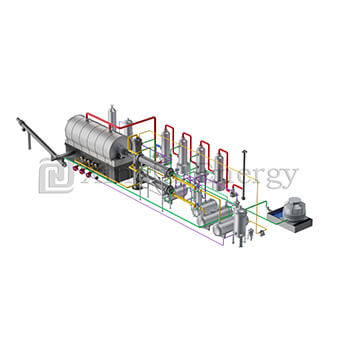
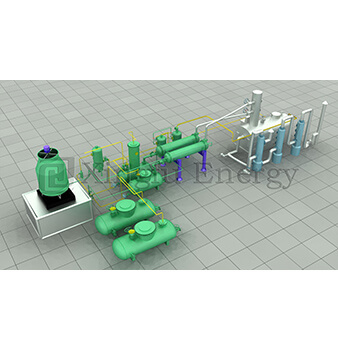
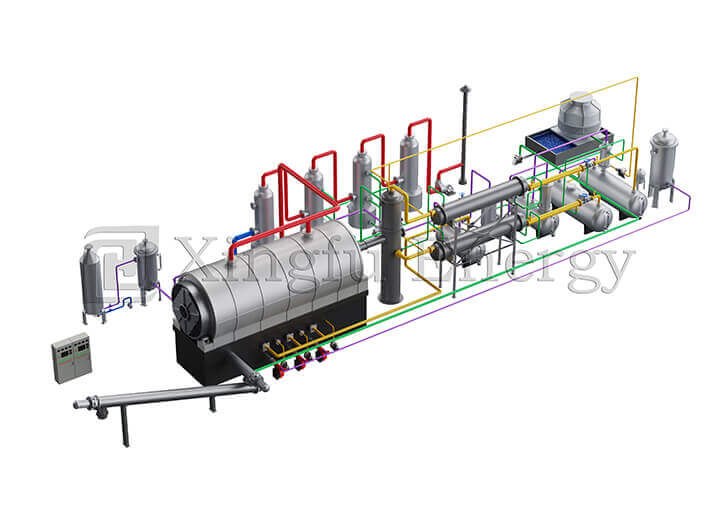
Curious what a pyrolysis plant actually looks like in action? It starts with your waste plastic feedstock. Crews shred it into small chunks—usually 2 to 5 centimeters. That helps everything heat evenly. Then the pieces go into the reactor. Because there’s no oxygen, nothing burns. External heat—often from gas burners—drives the whole process.
Inside the reactor, things unfold in stages. Lower temperatures release volatile gases first. Higher heat brings out the liquid oils. Those vapors get cooled and collected. The leftover solid is easy to remove. Modern plants include safety extras. Pressure relief valves, gas cleaners, and emission controls keep operations safe and clean.
Consider a medium-sized setup. A 20-ton batch plant finishes one full cycle every 24 hours. Feed in mixed industrial plastics from the shop floor. You get roughly 8 to 10 tons of oil, about 4 tons of carbon black, and some syngas that heats the next run. A European study found the energy produced often beats what goes in—by around 30 percent. The system practically runs itself after startup.
Sure, there are hurdles. Upfront costs run between $500,000 and $2 million. But grants frequently cover a good portion. Regular upkeep matters most. Cleaning reactors stops buildup. Engineers I’ve spoken with say consistent feedstock quality is the biggest key. Sort plastics early. You avoid jams and keep yields high.
Not every pyrolysis system looks the same. Batch-type plants suit smaller or medium operations best. They process 5 to 20 tons per load. Great for factories with uneven waste flow. Fill it, run the cycle, empty it, start again. Straightforward and adaptable.
Larger sites often go continuous. These run nonstop and handle up to 50 tons a day. Automation is higher. Conveyors feed material steadily. Efficiency climbs. But you need a constant supply of waste to keep them humming.
From what I’ve observed, some places mix both styles. One Asian facility uses batch units to test new plastic types. Then they switch to continuous for big volumes. Your choice depends on waste amount, available space, and budget. Always check local regulations. Certain areas require extra-low emission equipment.
Pick the right one. Focus on sturdy construction—like high-quality steel—so it lasts.
Let’s talk real examples. A packaging company in Southeast Asia dealt with 15 tons of daily plastic waste. They added a pyrolysis system. Now they make fuel for their own trucks. That saves them roughly $100,000 a year on diesel. Their emissions dropped 60 percent, according to internal checks.
Another case involved an automotive parts maker in California. They had lots of polypropylene scraps. Pyrolysis turned it into chemicals. Nearby refineries bought the output. Payback came in just 18 months. The company even got positive coverage in trade publications for going green.
These stories aren’t rare. McKinsey reports show pyrolysis use growing about 15 percent each year in waste handling. It proves itself in hard situations—oil refineries reusing their own polymers, or cities managing urban plastic streams.
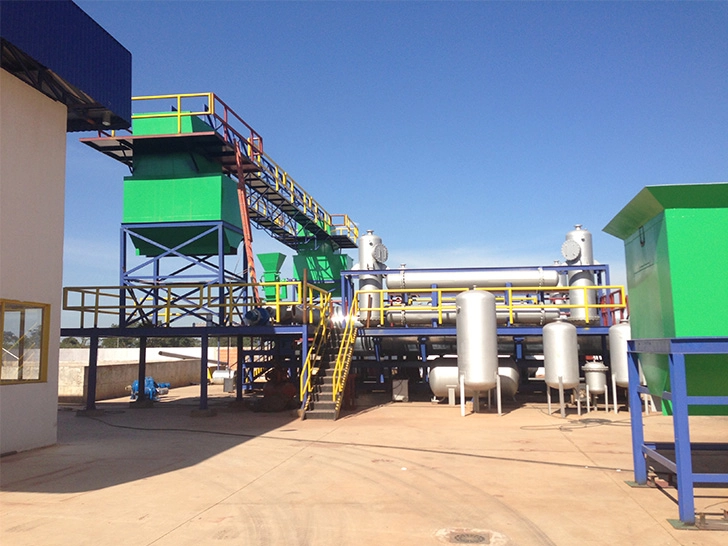
If you’re looking for dependable equipment, Qingdao Xingfu Energy is a strong option. They focus on industrial boilers, pressure vessels, and waste tires & plastics pyrolysis systems. They’ve built a solid reputation over the years. Their pyrolysis plants stress safety, good performance, and meeting regulations. They help businesses handle plastic waste effectively. Located in China, they deliver worldwide. Their after-sales service gets good feedback from clients.
To sum things up, pyrolysis technology isn’t hype. It’s a down-to-earth way to solve industrial waste plastic disposal. It cuts emissions, brings in extra revenue, and gives real advantages to plants willing to make the change. If plastic buildup is slowing you down, give this serious thought. It can turn your waste headache into a steady asset. Your operation stays efficient and environmentally sound.
Pyrolysis shines because it pulls valuable energy out of waste plastics. Emissions stay low. A typical setup processes 20 tons of industrial scraps daily. That cuts disposal expenses sharply and helps meet tough environmental rules.
Regular recycling struggles with dirty or blended plastics. Pyrolysis breaks them down easily. It works well on types like HDPE and PP. You end up with oils and char instead of sending everything to landfills.
Definitely. Batch plants start small—5 to 10 tons per cycle. They fit nicely for medium factories. You don’t need constant waste coming in. With smart operation, payback often arrives in under two years.
You need regular checks on reactors and cleaning systems. Cleaning after several cycles prevents clogs. Annual inspections keep everything safe. It’s straightforward work for a trained crew.
Yes, it lowers harmful emissions and meets standards like those from the EPA. Many operators find audits easier. Some even qualify for incentives. Compliance turns from a burden into a real business benefit.
 Address: 30th Floor, Building 3, Excellence Darongcheng, Shibei District, Qingdao City, Shandong Province
 Call us now:+86-13791972057
 Email:[email protected]


QINGDAO XINGFU ENERGY EQUIPMENT CO.,LTD