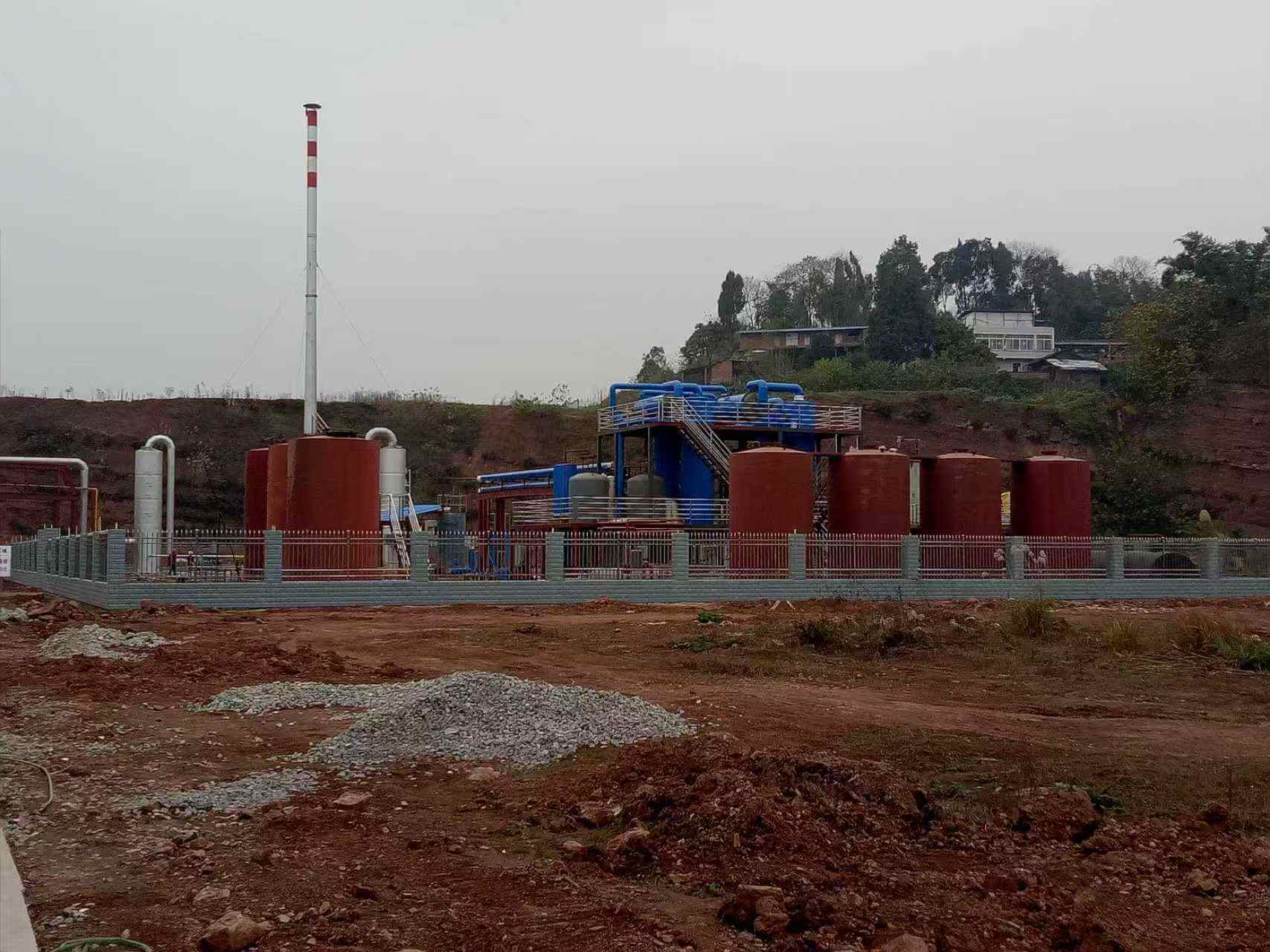
Coking hits hard in oil sludge pyrolysis. One day your reactor runs smooth. The next, thick coke layers build up on the walls. Heat transfer drops. Output falls. Cleaning turns into a nightmare—downtime stretches for days, sometimes weeks. Crews scrape away at stubborn deposits. Costs pile up fast.
This isn’t rare. Heavy asphaltenes and resins in oil sludge love to crack and stick under heat. Without good control, coke forms quickly. Traditional batch reactors suffer the worst. Many operators still deal with frequent shutdowns just to chip away at buildup.
But things have changed. Advanced anti-coking technology tackles this head-on. It keeps walls clean longer. Runs stay steady. Plants hit higher throughput without constant headaches. For engineers and technical leads searching for real fixes, this matters a lot. Let’s break down the problem and how modern approaches beat it.
Oil sludge isn’t simple. It’s loaded with heavy hydrocarbons, solids, water, and sometimes salts. During pyrolysis, temperatures climb past 400°C. Lighter fractions vaporize first. Heavier stuff cracks—but not always cleanly.
Asphaltenes polymerize. Resins carbonize. They stick to hot metal surfaces. Heat flux drops because coke insulates the wall. Reaction gets uneven. In worst cases, partial blockages form. Pressure builds. Safety risks jump.
Common triggers include:
Industry experience shows: without countermeasures, reactors might need cleaning every 1-3 months. Each stoppage costs thousands in lost production and labor.
Operators have tried different tricks over the years.
Manual cleaning. Shut down, cool off, send in a crew with high-pressure jets or chisels. It works—but it’s slow, dirty, and dangerous. Confined space entry risks are real.
Chemical decoking. Pump in solvents or oxidizers. Sometimes effective for light buildup. Heavy coke laughs it off. Plus, waste disposal adds another headache.
Additives. Throw in anti-coking agents or catalysts. Some reduce coke a bit. Results vary wildly depending on sludge type. Not a silver bullet.
Better materials. Line the reactor with special alloys. Helps resist corrosion and sticking somewhat. But coke still forms—it’s more about the process than the steel.
These methods buy time. They don’t solve the root issue. Continuous operation stays tough. That’s where advanced tech steps in.
Modern systems target coking from multiple angles. The goal? Prevent formation, disrupt buildup, and sweep it away before it hardens.
Key approaches include:
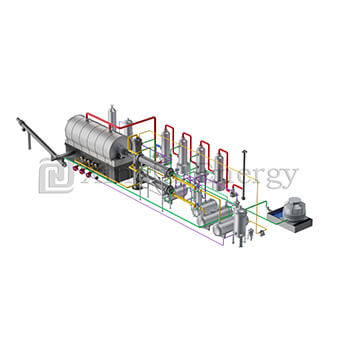
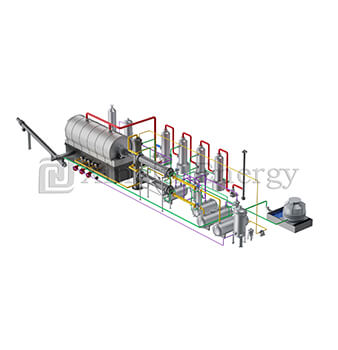
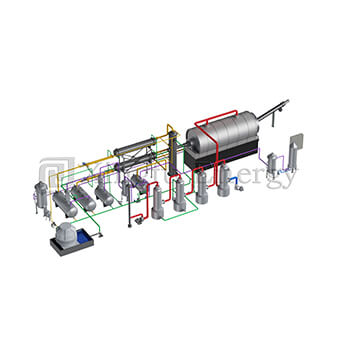
Put together, these create what some call “triple anti-coking” layers: physical disruption + thermal control + chemical help. Real-world numbers impress. Some plants report running 6-12 months between major cleanings—up from 1-3 months. Throughput jumps 20-40% because uptime improves.
Think about a Gulf Coast refinery sludge line. Old batch setup needed cleaning every 45 days. Switched to a continuous unit with built-in anti-coking features. Now they go 8+ months. Maintenance drops sharply. Crews focus on monitoring instead of scraping.
Less coking means more than saved labor.
Quick comparison:
| Approach | Cleaning Frequency | Downtime Impact | Cost Savings Potential | Continuous Run Feasibility |
| Traditional Batch | Every 1-3 months | High | Low | Poor |
| Manual/Chemical Fixes | Every 2-4 months | Medium-High | Moderate | Limited |
| Advanced Anti-Coking Tech | 6-12+ months | Low | High (20-50%+) | Excellent |
Those numbers come from field reports across Asia, Europe, and North America. The gap is clear.
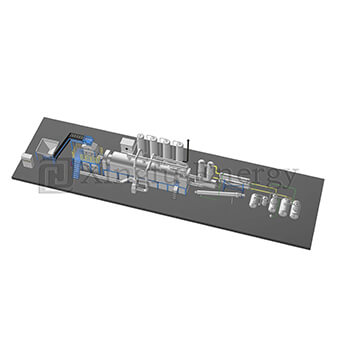
A Southeast Asian petrochemical plant handled viscous tank bottoms. Early pyrolysis attempts failed fast—coke plugged lines in weeks. They installed a continuous system with scraper chains and gas recirculation. Result? Steady 10-15 tons/day processing. No major coking for over nine months.
In Eastern Europe, drilling sludge caused similar grief. Heavy metals and asphaltenes made it tough. After adding mechanical wall cleaning plus precise temp zoning, the plant hit reliable 50%+ oil recovery. Maintenance budget dropped nearly 40%.
Even smaller ops see wins. A waste management facility in the U.S. Midwest processes oily pit sludge. Anti-coking design let them shift from batch to semi-continuous. Uptime went from 60% to 90%. Payback came quick.
These aren’t outliers. They’re becoming standard where sludge volumes justify investment.
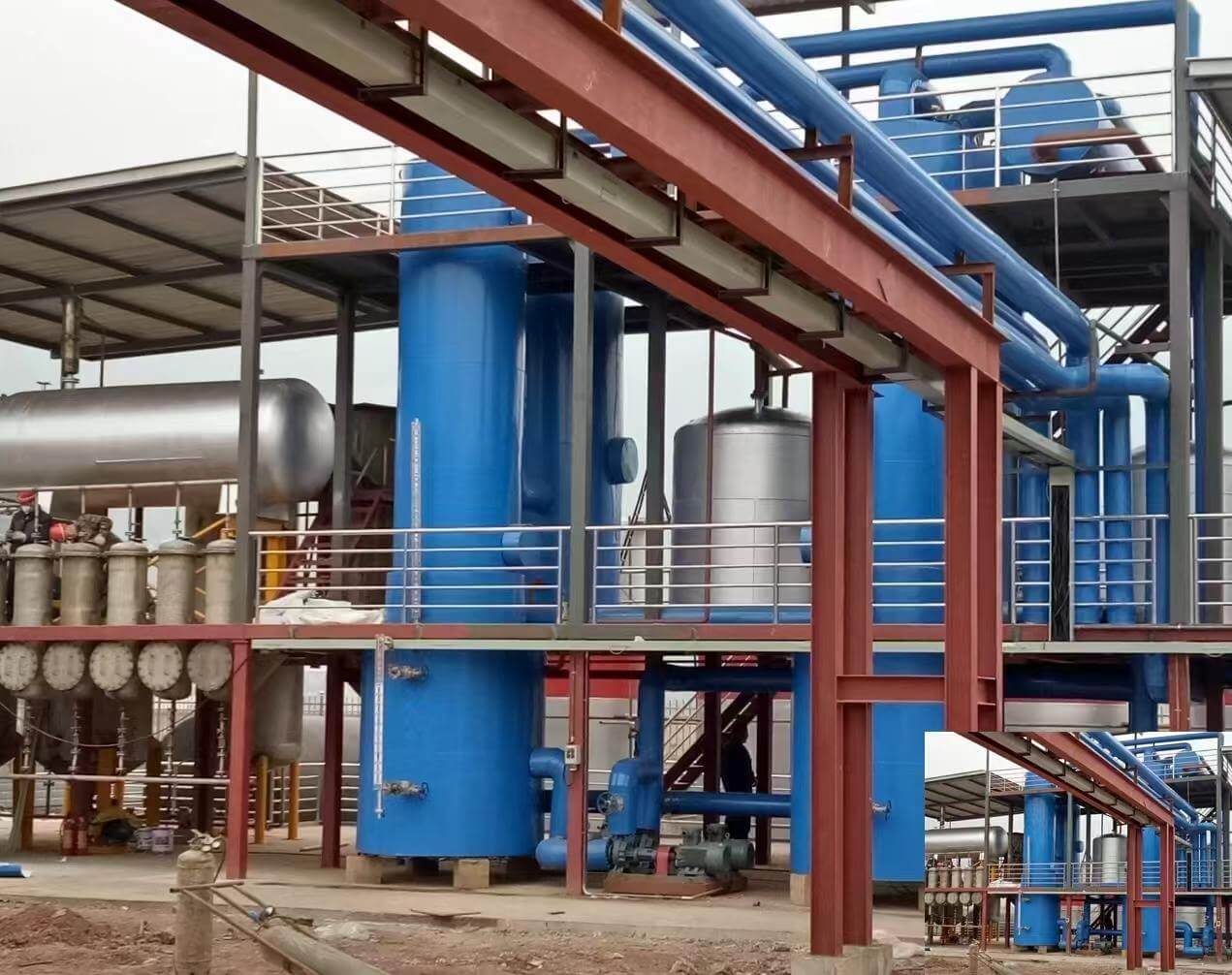
Qingdao Xingfu Energy stands out in this space. Based in Qingdao, China since 2010, the company builds industrial boilers, pressure vessels, and pyrolysis systems for waste tires, plastics, and oil sludge. With about 228 employees—including a solid team of engineers—they hold CE and ISO9001 certifications, plus A-level boiler and pressure vessel licenses. Their equipment ships to over 30 countries. They focus on durable, practical solutions that handle tough feeds like oily sludge without constant interruptions.
Coking doesn’t have to kill your pyrolysis project. Advanced anti-coking technology changes the game—keeping reactors cleaner, runs longer, and costs lower. For technical folks tired of scraping coke, this is the practical path forward. It delivers real uptime, better yields, and peace of mind. If sticky walls are your biggest headache, solutions exist that actually work. Time to look closer.
Heavy components like asphaltenes crack and polymerize on hot reactor walls. Uneven heating and stagnant zones make it worse. In the oil sludge pyrolysis process, poor gas flow lets vapors condense and build deposits fast.
It combines mechanical scrapers or chains to wipe surfaces, even heat distribution to avoid hot spots, and sometimes additives for cleaner cracking. These steps disrupt coke early in the oil sludge pyrolysis process.
Yes. Many modern setups run 24/7 for months without major stops. Anti-coking features make continuous oil sludge pyrolysis process reliable instead of a constant battle.
Operators often see 30-50% drops in cleaning labor and downtime expenses. Longer runs mean fewer shutdowns—big savings in real operations using the oil sludge pyrolysis process.
Absolutely. The tougher the feed, the more value it brings. Advanced designs handle sticky, heavy sludges better than basic reactors in the oil sludge pyrolysis process.
 Address: 30th Floor, Building 3, Excellence Darongcheng, Shibei District, Qingdao City, Shandong Province
 Call us now:+86-13791972057
 Email:[email protected]


QINGDAO XINGFU ENERGY EQUIPMENT CO.,LTD