Hey, if you’re knee-deep in recycling or just scouting ways to turn junk into real money, you’ve likely caught wind of pulling carbon black out of worn-out tires. It’s way past simple trash handling now. Instead, it’s all about transforming old junk into stuff that actually sells well. Imagine those huge stacks of discarded tires rotting in dumps. Now picture them fueling a setup that pumps out premium materials for buyers. That’s pyrolysis at work. It flips how folks view “garbage.” Here, we’ll walk through how you produce carbon black from waste tires. We’ll hit the key tech behind it and explain why it’s a solid play for profits. Hang tight. We’ll break down the details, toss in some everyday examples, and point to a dependable company that’s been crushing this space for a while.
Start simple. Pyrolysis is basically heating stuff without any oxygen around. It cracks materials down into handy pieces using just heat. When it comes to scrap tires, this method shines bright. Load in those beat-up tires. What comes out? Fuel oil, steel wire, syngas, and that valuable carbon black.
Picture pyrolysis as slow-baking tires inside a closed oven. Temperatures climb to about 650°C. The rubber breaks apart into vapors and solids. No open fire means it’s controlled and fairly clean. Tires are built tough. They mix rubber, steel belts, and fillers. Those things don’t rot away fast. If ignored, they attract bugs or spark nasty fires in landfills. But run them through pyrolysis? You’re making fresh resources. A solid 20-ton plant can handle 20 tons of tires every day. It turns a big headache into steady income.
I’ve seen operations where guys were buried in tire piles, stressing over disposal costs. Switch to pyrolysis, and suddenly they’re selling outputs. Data from industry setups shows recovery rates hitting 32-36% for carbon black alone. That’s not pocket change—it’s a chunk of material that industries gobble up.
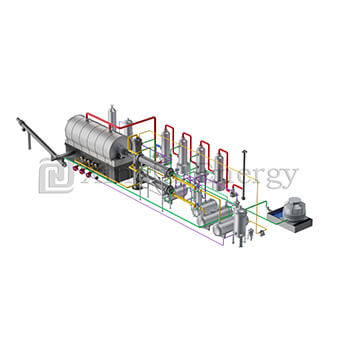
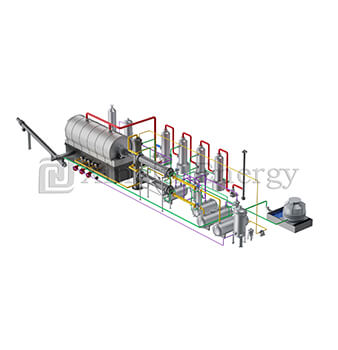
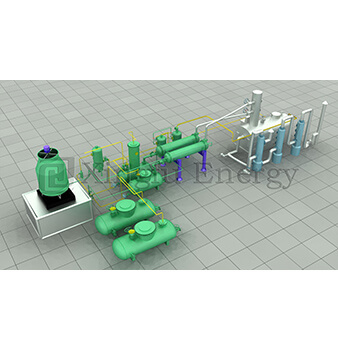
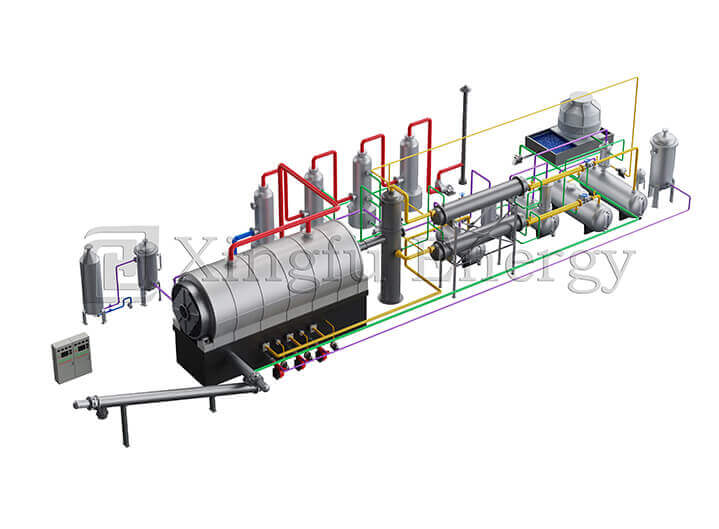
It all kicks off with prep. Tires get shredded into chunks no bigger than 50mm—easy for the feeder to handle. Then, into the reactor they go. Hot air circulates, heating evenly without guzzling extra fuel. Oil and gas bubble out, cool down in condensers, and land in tanks as fuel oil (about 40-45% yield).
The leftovers? That’s your char mix with steel wire. It slides out automatically—airtight, so no dust clouds messing up the site. Syngas gets scrubbed and recycled to heat the system, cutting fuel needs to zilch once running. Steel wire? 14-16% yield, baled and sold as scrap. But the star here is the char heading for carbon black glory.
Okay, so you’ve got this rough char from pyrolysis. It’s not ready for prime time yet. That’s where the real value-add comes in—processing it into top-shelf carbon black that factories crave for tires, inks, or plastics.
First off, magnetic separation. The char and wire mix hits a separator—magnets yank out the steel, leaving mostly carbon black. Simple, effective. Then, cooling via hoist to keep things safe.
Next, shattering and grinding. The coarse stuff gets pulverized into fine powder. We’re talking industrial-grade finesse here—deep processing that refines it for market specs. No shortcuts; it’s about hitting that quality mark so it competes with virgin carbon black.
| Step | Description | Benefit |
| Magnetic Separation | Uses magnets to pull steel wire from char. | Clean split, no manual sorting needed. Yields pure steel scrap. |
| Cooling and Hoisting | Char cools down safely before further handling. | Prevents accidents, keeps quality high. |
| Shattering/Grinding | Breaks down into fine particles via mills. | Turns rough char into marketable powder, boosting value. |
| Deep Processing | Additional refinement for industrial standards. | Meets specs for rubber, coatings—fetches higher prices. |
Why fuss with all this? Because raw char might fetch pennies, but processed carbon black? It’s gold. Take a rubber plant manager I chatted with once—they switched to recycled carbon black and slashed costs by 20%. Markets love it for reinforcing tires or coloring products. And get this: with global demand for carbon black topping 14 million tons yearly (per industry reports), recycled stuff undercuts virgin prices while being greener. Clients eyeing profits from byproducts? This is your hook—turn a 20-ton daily run into steady cash from carbon black sales.
Running a pyrolysis gig isn’t just about the carbon black. It’s a full-circle win. Businesses pocket from multiple outputs: oil for fuel, syngas for energy, steel for recycling. Factor in low ops costs—200kg fuel to start, then self-sustaining—and you’re looking at quick ROI.
Environmentally? Huge. No more tire fires spewing toxins. These plants meet strict standards—multistage gas treatment, dust-free discharge. One setup in Malaysia I heard about cut local waste by thousands of tons yearly, turning it into resources without a whiff of pollution. It’s not disposal; it’s rebirth. For folks in manufacturing, it’s a way to go sustainable without breaking the bank. Plus, that carbon black? It loops back into new tires, closing the circle.
Don’t take my word—look at the installs. A 20-ton fully continuous plant in Malaysia’s humming along, churning out carbon black that’s sold locally for rubber goods. Operators there rave about the efficiency: minimal labor (just 3-4 folks), and outputs hitting those 32-36% marks consistently.
Over in Finland, a 10-ton batch setup’s been a hit for smaller ops. They process local scrap, sell the carbon black to nearby factories, and pocket extra from oil. Bulgaria’s got a 15-ton continuous one, where the processed carbon black’s quality rivals big-name suppliers. These aren’t pie-in-the-sky tales; they’re proven. One client shared how their margins jumped 15% by selling refined carbon black—proof that this tech delivers.
Challenges? Sure, like any setup. But with quick installs (no foundations needed) and airtight ops, downtime’s low. It’s about scaling smart—start with semi-continuous for flexibility, go full auto for volume.
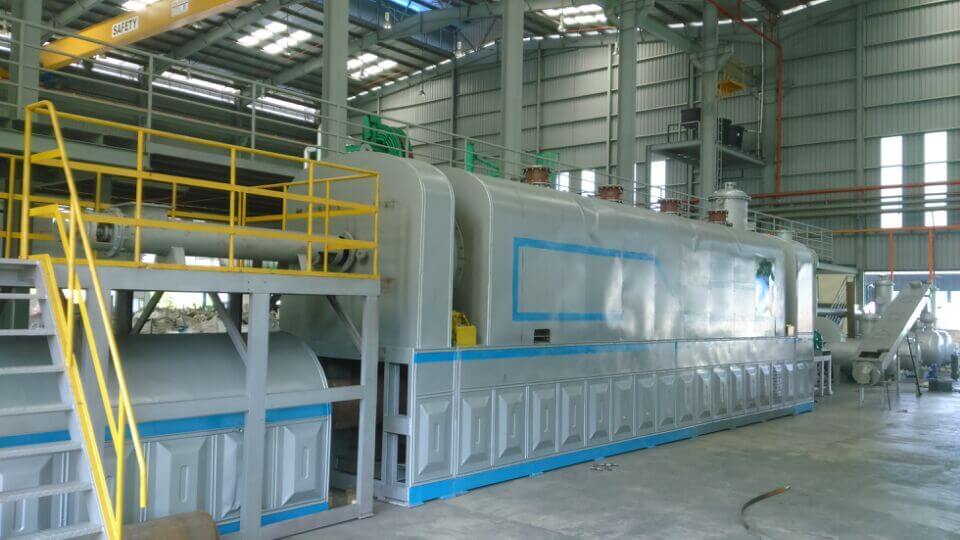
Before we wrap up, a quick nod to the pros behind this tech. Qingdao Xingfu Energy stands out as a solid supplier of industrial boilers, pressure vessels, and waste tire & plastic pyrolysis systems. Since kicking off in 2010 in Qingdao, China, they’ve built a rep for quality gear exported to over 30 countries—like Malaysia, Finland, and Spain. With a team of 228, including sharp engineers and welders, they hold CE and ISO certs, ensuring their plants are safe and efficient. If you’re hunting reliable pyrolysis kit, these guys deliver the goods without the fluff.
So, there you have it—producing carbon black from waste tires isn’t just eco-smart; it’s a straight shot to profits. By shifting from “waste headache” to “resource goldmine,” you’re tapping into a process that’s efficient, marketable, and future-proof. Whether you’re a recycler eyeing expansion or a manufacturer after cost cuts, pyrolysis opens doors. Dive in, and watch scrap turn into wealth.
To produce carbon black from waste tires, start with shredding them into small pieces, then feed into a pyrolysis reactor for heating without oxygen. The char output goes through magnetic separation to remove steel, followed by grinding and deep processing into fine, industrial-grade powder. This yields 32-36% carbon black, ready for sale.
Pretty darn profitable. With yields around 32-36% from a 20-ton daily plant, and market prices for refined carbon black beating raw char, businesses often see quick returns. Add sales from oil (40-45%) and steel (14-16%), and you’re looking at multiple revenue streams—some ops report 15-20% margin boosts.
Absolutely. Modern setups use airtight feeding and slag discharge to cut dust, plus gas scrubbing to meet emission standards. It’s a shift from landfilling to recycling, reducing pollution while creating usable resources—no more toxic tire piles.
You’ll want a reliable pyrolysis plant, like a semi-continuous 20-ton model with magnetic separators and grinders for post-processing. Look for features like hot air heating for efficiency and multilevel cooling to max yields.
Yes, even batch-type plants handle it well for smaller scales. With low labor needs (3-4 people) and quick setups, they’re ideal for starters. Scale up to continuous for bigger volumes as demand grows.
 Address: 30th Floor, Building 3, Excellence Darongcheng, Shibei District, Qingdao City, Shandong Province
 Call us now:+86-13791972057
 Email:[email protected]


QINGDAO XINGFU ENERGY EQUIPMENT CO.,LTD