You know the scene. A refinery tank farm at sunset. One of the old crude tanks just got cleaned, and there’s a mountain of black, shiny oily sludge sitting in the containment pit. The environmental guy is sweating about the disposal invoice. The operations manager is mad because production is delayed. And the CFO? He just saw another six-figure bill coming. That pile used to be pure cost. Today, smart operators flip the script: they run it through oil sludge pyrolysis and walk away with truckloads of sellable fuel oil, syngas they burn in their own boilers, and carbon black they ship to the asphalt plant down the road. Same pile. Totally different P&L line.
If you’re the one stuck staring at those pits (or signing the checks to haul them away), keep reading. This is how modern oil sludge pyrolysis turns a headache into multiple revenue streams without the drama.
Most tank bottoms and refinery slops land somewhere between 15-45% recoverable hydrocarbons. The rest is water and solids. Old-school options?
One mid-sized Gulf Coast refinery was burning through $2.8 million a year just getting rid of 9,000 tons of oily sludge. Two years after installing pyrolysis, that line item flipped to +$1.4 million net profit. Same volume, opposite sign.
Pyrolysis is thermal cracking in the complete absence of oxygen. Heat the sludge to 450–550 °C, long-chain hydrocarbons break into shorter, lighter ones. Out come three products you can sell or use:
| Product | Typical Yield | What You Do With It | Market Value (2025 avg.) |
| Pyrolysis Oil | 75–85% | Blend into marine fuel, bunker, or refinery feed | $420–$520 per ton |
| Syngas | 8–15% | Fire your own boiler or flare (with heat credit) | Saves $60–$90 per ton |
| Carbon Black | 10–15% | Sell to asphalt, rubber, or activated-carbon plants | $180–$350 per ton |
Do the math on 10,000 tons a year with 35% oil content → roughly 3,000 tons of sellable oil. At $450/ton, that’s $1.35 million coming in the door before you subtract operating cost (which usually lands under $120/ton processed).
Early pyrolysis plants ran in batches: fill, heat, cool, empty, repeat. You were lucky to get 12–14 hours of actual runtime a day. Modern continuous oil sludge pyrolysis plants changed everything.
A heavy-oil producer in Alberta went from 4 tons/day batch to 18 tons/day continuous. Oil quality stayed identical, but their monthly oil sales jumped from $98k to $420k. The plant paid for itself in 14 months.
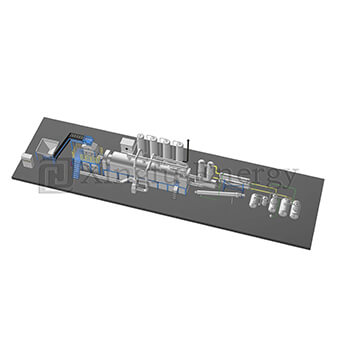
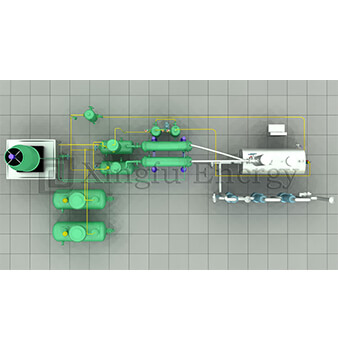
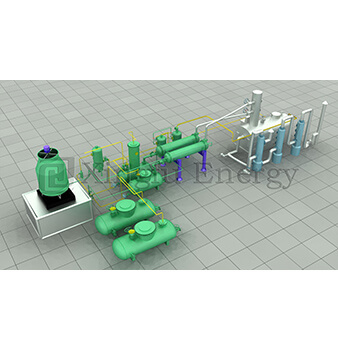
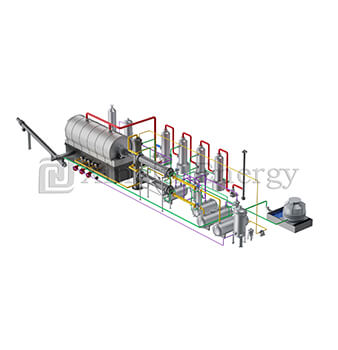
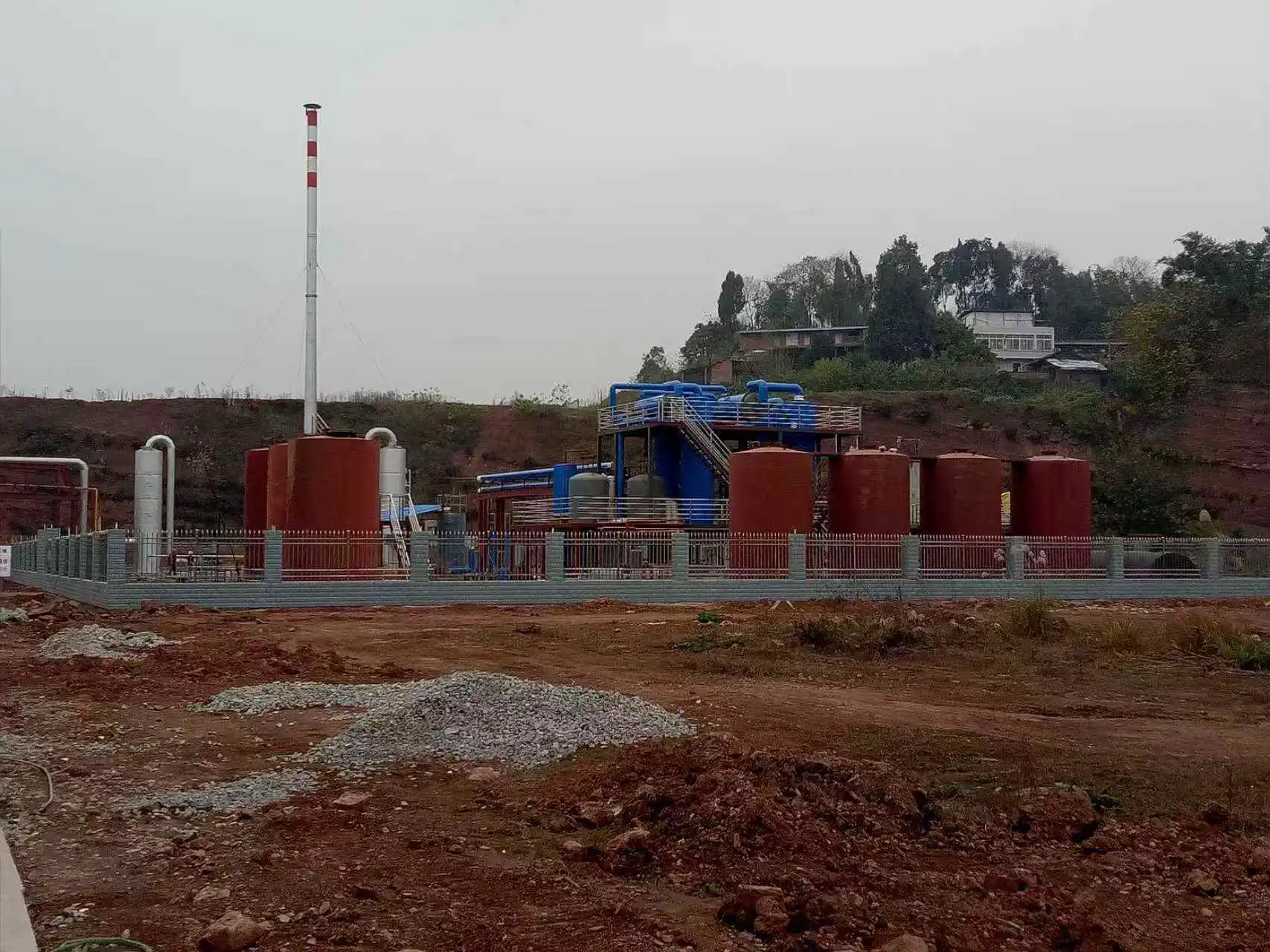
Here’s what a real continuous oil sludge pyrolysis line looks like in the field:
One trick the best plants use: they inject a tiny stream of recycled pyrolysis oil back into the feed when winter hits. Keeps viscosity low, prevents plugging, and costs almost nothing.
| Location | Feed Rate (tpd) | Oil Yield | Annual Oil Revenue | Payback Period |
| Alberta, Canada | 18 | 82% | $4.1 million | 14 months |
| Shandong, China | 30 | 79% | $6.8 million | 16 months |
| Middle East Tank Farm | 12 | 85% | $2.9 million | 11 months |
| Texas Refinery | 10 | 80% | $1.9 million | 19 months |
These aren’t cherry-picked. They’re average numbers from plants running right now, audited by third-party labs.
Every ton you pyrolyze is a ton you don’t send to landfill or inject underground. That alone has saved operators millions in future remediation liabilities. One Permian operator knocked 42,000 tons off their environmental reserve in a single year. Stock analysts noticed.
Plus, carbon black qualifies as “recycled carbon” under most emerging carbon-credit frameworks. Some plants are already banking $12–$18 per ton extra on top of the sale price.
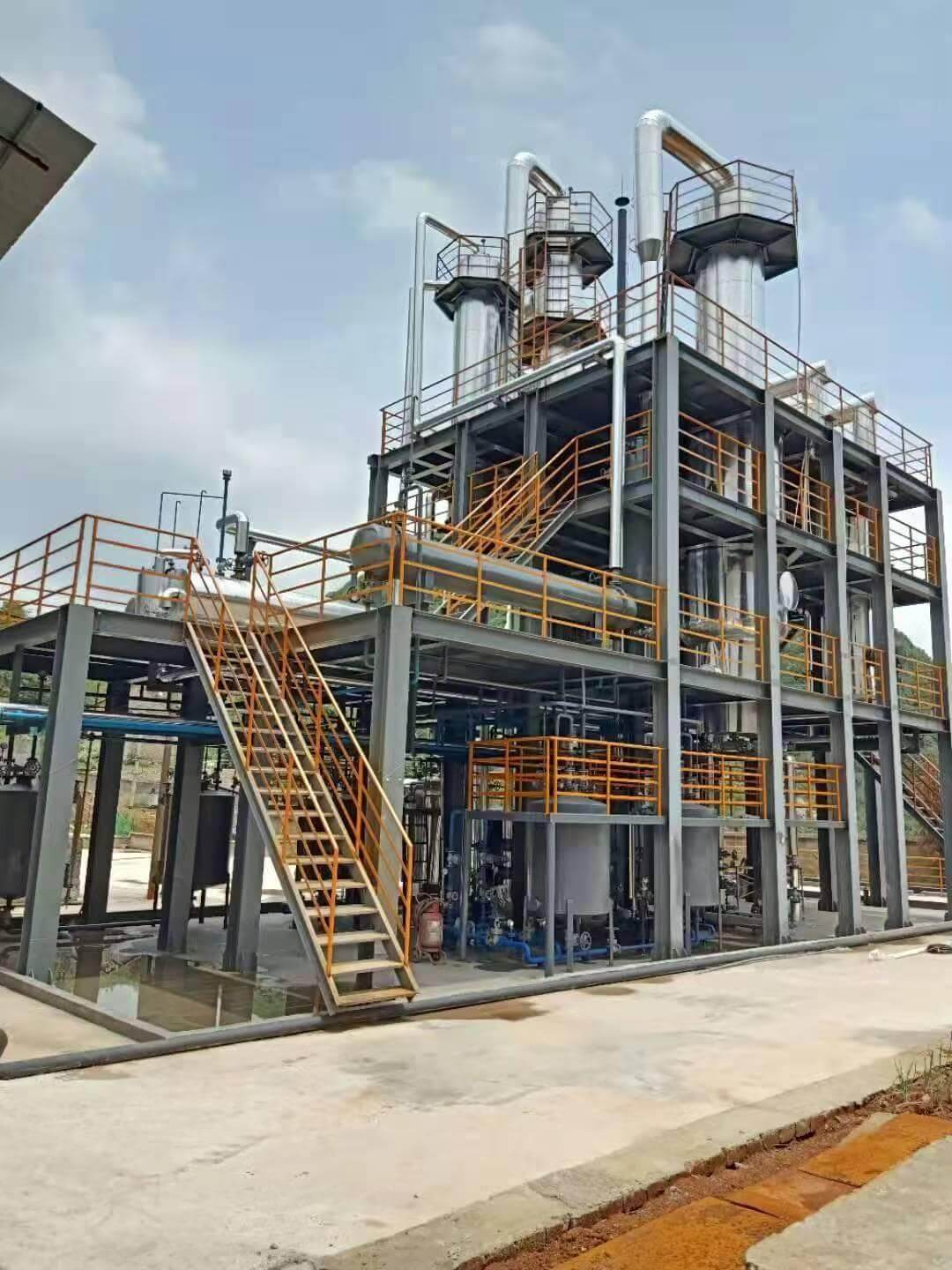
Before we close, a quick word about who’s actually delivering these results. Qingdao Xingfu Energy Equipment Co., Ltd. has been cranking out industrial boilers, pressure vessels, and full pyrolysis lines since 2010 out of their 70,000 m² campus in Shandong. 228 people on staff, 28 engineers, 65 certified welders, A-level boiler license, D1/D2 pressure vessel credentials, CE, ISO9001—the works. They ship to over 30 countries and have racked up more than 100 million RMB in domestic sales since 2012. When you see a continuous oil sludge pyrolysis plant quietly making someone rich, odds are there’s Xingfu steel inside.
Oily sludge isn’t waste anymore—it’s poorly stored inventory. The plants that get this are quietly turning former liabilities into seven-figure revenue lines while everyone else still pays to haul the same material away. Oil sludge pyrolysis, done continuously and correctly, is one of the few genuine win-win plays left in the energy patch: you make money, you shrink your environmental footprint, and you sleep better knowing tomorrow’s pile is already sold.
Q: Can oil sludge pyrolysis really make money at today’s oil prices? A: Yes—comfortably. Even at $65/bbl crude, recovered pyrolysis oil still nets $420–$480/ton after freight. Most plants clear $200–$300 profit per ton processed once they’re dialed in.
Q: What’s the weakest link in most oil sludge pyrolysis projects? A: Feed consistency. Garbage in, garbage out. Plants that invest in good pre-treatment (dewatering + homogenization) hit 80%+ oil yields year-round. Skimp there and you’ll fight plugging and low recovery forever.
Q: How much space does a decent-sized plant need? A: A 15–20 ton/day continuous line fits in about 1,200 m² including storage. We’ve seen 10 tpd units shoe-horned onto old tank-farm pads with almost no new concrete.
Q: Is the pyrolysis oil good enough to sell straight away? A: In most cases, yes. Sulfur is usually lower than the original crude, water <0.5%, sediment <0.1%. Ships take it as ISO 8217 RMG380 equivalent with zero complaints.
Q: What’s a realistic payback if I’m processing my own refinery sludge? A: 12–20 months is the sweet spot for 10–30 tpd plants. The higher your current disposal cost and the closer you are to fuel buyers, the faster it pays.
 Address: 30th Floor, Building 3, Excellence Darongcheng, Shibei District, Qingdao City, Shandong Province
 Call us now:+86-13791972057
 Email:[email protected]


QINGDAO XINGFU ENERGY EQUIPMENT CO.,LTD