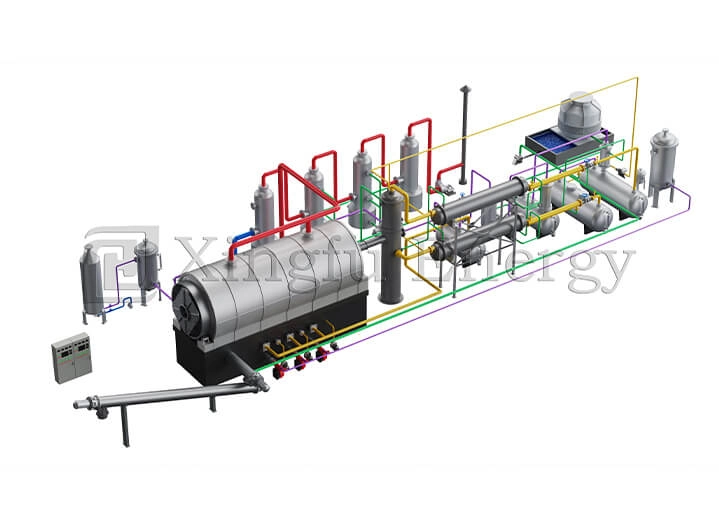
If you’re sizing up a pyrolysis setup these days, you’re likely wrestling with the same question tons of people in waste recycling face. How big should it be to make decent money without tying up too much cash or falling short on output? Go too small, and you leave cash on the table. Go too large, and the initial cost hits like a truck. That’s where the 10 tons per day semi-continuous waste tyre/plastic pyrolysis plant comes in handy. It lands right in that comfortable middle for a lot of folks. Plenty of daily processing power. Much easier on the wallet than those giant 30-ton continuous rigs.
Waste tires and plastics keep stacking up everywhere you look. Local landfills fill fast. Rules against dumping get tougher. Fuel prices bounce around. Buyers want reliable deliveries of pyrolysis oil, carbon black, and scrap steel. A 10TPD unit handles a good 10 tons every day. It doesn’t need huge plots of land. It doesn’t demand big crews. And it doesn’t break the bank to get started. This size nicely connects small batch machines to full-blown continuous operations. Let’s walk through why it often turns out to be the sharpest choice for mid-level players.
Waste isn’t going anywhere. Billions of tires hit the scrap heap yearly. Plastics output climbs past 400 million tons every year. A huge chunk still ends up buried or burned in the open. Pyrolysis flips that problem around. It heats the stuff in a sealed space without oxygen. Then it spits out useful products: fuel oil for boilers or further refining, carbon black for new rubber goods or paints, steel wire ready for scrap yards, and syngas that feeds right back into heating the system.
Heading into 2026, the pyrolysis equipment world keeps heating up. Green subsidies spread. Landfill bans grow stricter. Energy demands stay high. Smaller and mid-size plants—think 5 to 15 tons a day—draw in local recyclers, city partners, or private operators who want steady income without massive headaches. The 10TPD semi-continuous fits smack in that zone. It pushes out more product each day than typical batch units. At the same time, it keeps expenses and complications far below those huge continuous setups.
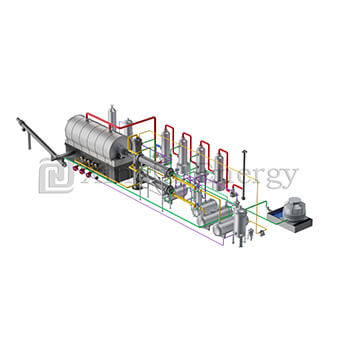
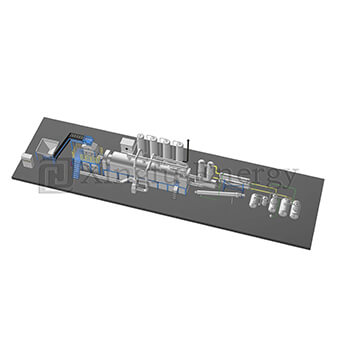
This setup isn’t just another basic batch reactor. The 10T semi-continuous waste tyre/plastic pyrolysis plant works in a clever way. You keep feeding shredded material while the reactor stays warm. No long cool-down waits between batches. That leads to longer running hours. Temperatures hold steady. Overall performance improves noticeably.
Here are the main specs laid out plainly:
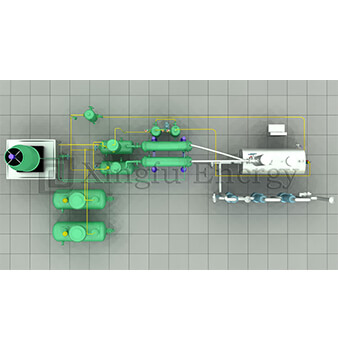
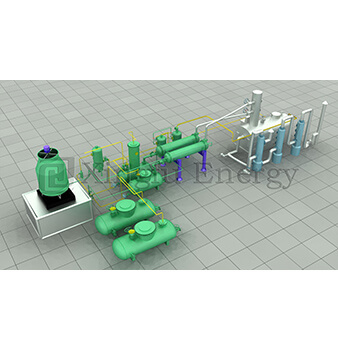
Things like multilevel cooling help pull more oil out. Airtight hot feeding saves heat energy. Hot slag comes out sealed—no clouds of dust. Automatic slag remover sorts coarse carbon and steel. Magnetic separators grab the wire cleanly. Waste gas gets cleaned of sulfur before reuse. All these pieces add up. Cleaner operation. Fewer repair stops. Better chances with local permits.
Most investors line up batch, semi-continuous, and full continuous side by side. Here’s a straightforward comparison for a typical 10TPD scenario. Numbers come from common industry figures and tire feedstock averages. Your local prices will shift things a bit.
| Aspect | Batch (10T) | Semi-Continuous (10TPD) | Full Continuous (15-30T+) |
| Upfront Cost | $80K–$300K (basic) | $150K–$400K | $1M+ |
| Daily Output | 10T, but 20-30% downtime | Steady 10T | 15-50T+ |
| Oil Yield | 35-42% | 40-45% | 42-50%+ |
| Labor Needs | 3-5 people | 2-3 people | 4-8+ (more skilled) |
| Uptime | Cycles 12-24 hrs each | Minimal stops | Near 24/7 |
| ROI Timeline | 2.5-4 years | 2-3 years | 3-5+ years (longer payback) |
| Best For | Very small starts, tight budget | Mid-scale growth | Large waste supply, big capital |
Batch feels fine if you’re dipping a toe in or waste arrives in uneven batches. But those long pauses between cycles burn extra fuel and eat time. Full continuous looks great for enormous volumes. Yet the price and setup complexity turn away most newcomers. The 10TPD semi-continuous lands right in the useful middle. Better yields and shorter idle periods mean more stuff sold every day. Fuel bills shrink. Plenty of operators say they clear 20-30% higher net margins than similar batch plants.
Imagine a real spot: a yard close to a city with regular tire drops from garages and dumps. Shredded pieces feed in smoothly. Oil pours into tanks—sell it nearby to factories for $400-600 a ton. Carbon black bags up for rubber plants. Steel wire heads to scrap buyers. Syngas keeps the heat going and trims outside fuel costs. Run 300 days a year. Revenue can easily reach $1.5-2M after expenses. Many setups pay back in 2-3 years. Solid return for a mid-size venture.
This size shines in places like industrial zones or areas with decent but not overwhelming waste collection. One guy I know started with patchy batch runs in a mid-city spot. He moved to semi-continuous at 10 tons a day. Running hours shot up. Crew size dropped a touch. Oil came out noticeably better. He nailed steady contracts with local boiler operators. Profits turned consistent in under two years.
Another example: a recycler dealing with mixed plastics and tires. The multilevel cooling handled the different feeds without much trouble—no heavy wax buildup. Environmental inspections went smoother thanks to sealed discharge and gas cleanup. Green subsidies chipped in on the build cost. The whole thing paid off quicker than planned.
It won’t fit every situation. Waste stays below 5 tons a day? Batch might do the trick. You pull in 20-30 tons reliably? Continuous starts looking better. But for that 8-15 ton range, 10TPD semi-continuous delivers strong results without stretching too far.
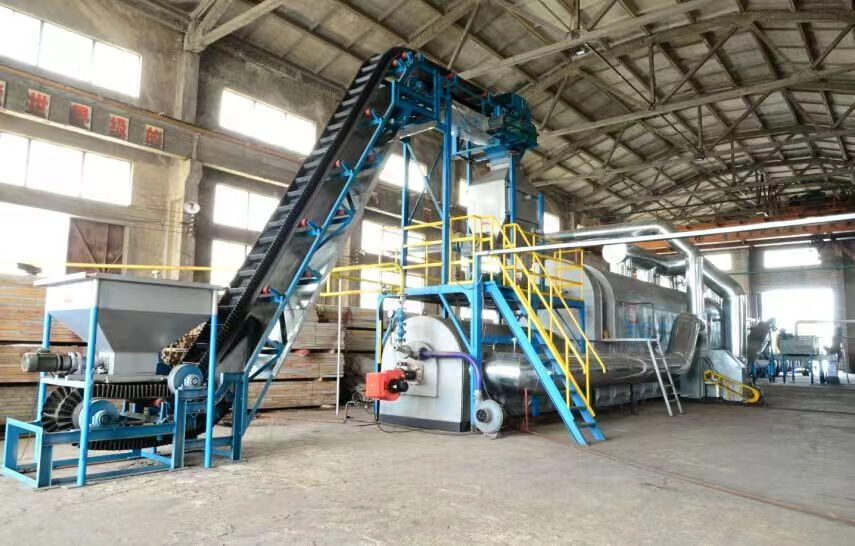
Quick note on the people making this equipment. Qingdao Xingfu Energy sits in Qingdao, Shandong. They’ve been at it since 2010. They build industrial boilers, pressure vessels, and sturdy waste tires & plastics pyrolysis systems. Around 228 folks work there—lots of engineers and skilled welders. Certifications include CE, ISO9001, and various boiler and vessel licenses. Gear has gone to more than 30 countries—Indonesia, Malaysia, Poland, Spain, and others. Their 70,500 m² plant focuses on tough, practical machines that hold up over time. Need dependable pyrolysis equipment? Qingdao Xingfu Energy supplies systems that turn waste headaches into reliable income.
Here’s the deal: the 10TPD semi-continuous waste tyre/plastic pyrolysis plant nails what many investors really want. Solid daily scale—steady 10 tons—with smarter efficiency than batch and much lower startup hurdles than big continuous plants. Stronger oil yields, cheaper running costs, small crew needs, and decent green features add up to faster payback and easier days on the job. If your waste supply supports mid-volume and you’re set to move past small experiments, this size often proves the best call. Run your own local figures—supply amounts, selling prices, any incentives. The numbers tend to line up in favor.
It keeps running longer without big stops. Hot feeding holds temps steady. Oil yield hits 40-45% instead of lower batch numbers. Fuel use falls. Uptime grows. Payback often lands in 2-3 years rather than dragging out longer like batch.
Sure, especially with steady 8-12 tons a day coming in. It runs with just 2-3 operators. Setup goes quick without massive foundations. It handles tires or plastics smoothly. Forgiving enough for new folks, yet it brings real profits—nice step up from tiny batch tests.
Way more affordable upfront—usually $150K-$400K versus over $1M for 15-30T continuous. You get good daily output without needing huge land or big teams. For mid-level investors, it skips the risk of overspending too soon.
Varies by your area, but oil at $400-600/ton, carbon black $200-400/ton, plus steel scrap adds up. Many clear $1.5M+ yearly revenue after costs around $300K. Payback frequently hits 2-3 years. High yields and steady runs push those figures.
It holds up well. Sealed slag discharge keeps dust down. Gas cleaning removes sulfur. Steam blow manages flames. Multilevel cooling cuts waste and boosts output. It fits nicely with most 2026 rules, especially if you add the right extras.
 Address: 30th Floor, Building 3, Excellence Darongcheng, Shibei District, Qingdao City, Shandong Province
 Call us now:+86-13791972057
 Email:[email protected]


QINGDAO XINGFU ENERGY EQUIPMENT CO.,LTD