Picture this: a refinery yard covered in thick, greasy sludge. It sits there year after year. Workers avoid it. The stuff smells bad and looks worse. That’s oil sludge. It builds up from crude storage tanks, drilling ops, and wastewater cleanup. In big facilities, tons pile up fast.
This waste causes real trouble. It seeps into soil. It contaminates groundwater. Vapors drift into the air. Regulators watch closely now. Fines hit hard for bad handling. Plant managers lose sleep over compliance. Environmental officers scramble to meet new rules. Disposal costs keep climbing too.
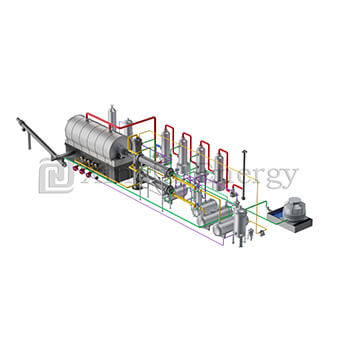
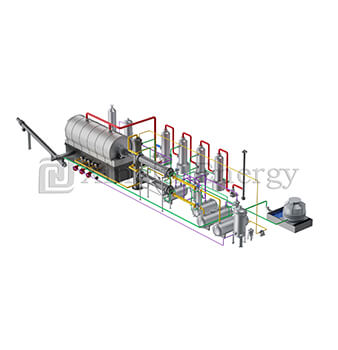
Yet there’s good news. Oil sludge holds valuable hydrocarbons. Old ways like landfilling or burning waste money and energy. They add pollution. Pyrolysis changes everything. It heats the sludge without oxygen. This breaks it down into useful products. Fuel oil comes out. So does syngas and solid char. The oil sludge pyrolysis process turns a big problem into real assets.
Oil sludge shows up everywhere in the industry. It’s a messy blend of heavy oil, water, dirt, and chemicals. You find it at the bottom of storage tanks. It clogs pipelines. It collects after treatment processes.
Left alone, it creates headaches. Toxins leach out slowly. Air quality suffers from volatile releases. Local laws get stricter every year. Non-compliance means shutdowns or big penalties.
For managers running plants, it’s a constant drain. Cleanup eats budgets. Storage takes space. Workers face safety risks during handling.
Environmental teams feel the pressure too. They need greener solutions. Reports demand lower emissions and better waste handling. Traditional fixes fall short. Incineration pumps out smoke. Landfills fill up quick and leak over time.
The bright side? Sludge contains recoverable oil. Pyrolysis taps into that. It recovers energy and materials. This cuts waste volume sharply. It also meets tough enviro standards.
The oil sludge pyrolysis process is straightforward at heart. You heat the sludge in a sealed space. No oxygen enters. High temperatures crack the molecules apart. Vapors rise. Solids stay behind.
Temperatures climb between 300 and 600 degrees Celsius. The exact level depends on the sludge type and setup. Lighter oils come off first. Heavier parts break down later.
Start with preparation. Sludge often arrives wet. Dry it down first. Use centrifuges or simple filters. Aim for low moisture—around 10 to 20 percent works best. Wet material wastes heat and lowers output.
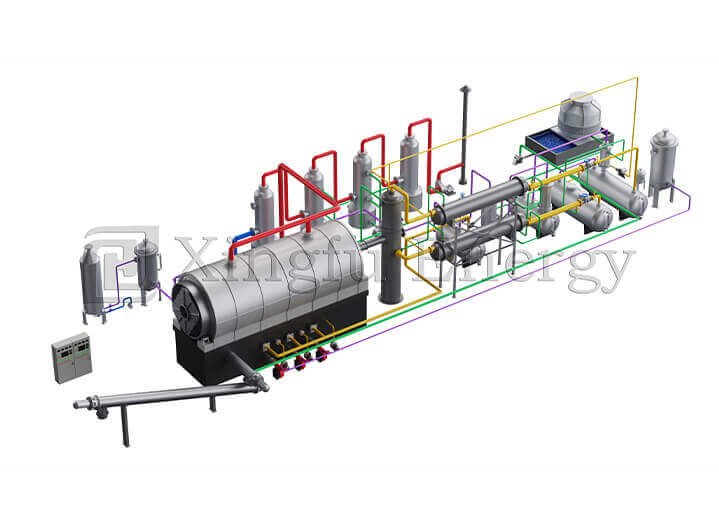
Then load it into the reactor. This is the main chamber. It’s sealed tight. Heat builds gradually. Around 300°C, volatiles start escaping. Push higher, to 400–500°C. Bonds snap. Gases flow out.
Vapors move to condensers. They cool down fast. Liquid oil collects in stages. Non-condensable gases loop back. They help fuel the heater. That keeps energy use low.
Solids remain as char. Cool it carefully. Discharge it safely. Often the residue holds under 3% oil. That makes it easy to handle or sell.
Here’s a clear list of the main steps:
Think about a real refinery. It deals with 20 tons of sludge each day. After switching to pyrolysis, it pulls 8 to 10 tons of usable oil. Disposal drops sharply—sometimes by two-thirds. Numbers like these show up in actual operations.
Sludge varies a lot. High oil content gives better results. Water and solids drag yields down.
System design matters too. Batch reactors suit smaller jobs. They handle 5 to 20 tons per cycle. Continuous models run nonstop. They fit high-volume sites.
Energy balance is crucial. Good setups recycle syngas. This covers most heating needs. Efficiency can hit 85% or higher.
Safety comes first. Monitors watch pressure and heat. Valves release excess safely. Trained crews keep things smooth.
Why pick this method? The advantages add up quickly.
It helps the planet first. Emissions drop hard compared to burning waste. Some setups cut CO2 by 80%. Char locks away carbon. It can even work as a filter material later.
Money-wise, it pays off. Recovered oil sells well—often $300 to $500 a ton. A plant with 10,000 tons of sludge yearly might bring in over $2 million extra. Landfill fees vanish too. Those run $50 to $100 per ton in many areas.
Workers stay safer. Less direct contact with hazardous stuff. Compliance gets easier. Systems that hit low residue levels breeze through inspections.
Take a look at this quick comparison:
| Aspect | Traditional Disposal | Oil Sludge Pyrolysis Process |
| Environmental Impact | High emissions, pollution | Low emissions, resource recovery |
| Cost Savings | Minimal | Up to 70% reduction in disposal costs |
| Resource Yield | None | 40-60% oil, 20-30% char |
| Energy Use | High (incineration) | Self-sustaining with syngas |
In one Canadian oil field, the switch happened years ago. The system covered its cost fast—under three years. Fuel came back on-site. Liability dropped. The green story improved too.
A good system needs solid parts. The reactor stands out. It’s built from tough steel. Insulation holds heat inside.
Feeding happens smoothly. Screws or conveyors move material in. Batch loaders work for smaller runs.
Cooling matters. Multi-stage condensers grab different oil cuts. Gases get cleaned and reused.
Controls keep it steady. PLC screens track temps and pressures. They adjust automatically.
Add-ons help too. Desulfurizers clean output if needed. The whole setup fits in about 500 square meters for a 10-ton batch unit. Power stays reasonable—50 to 100 kW mostly for startup.
This tech runs in the field now. A Southeast Asian refinery processes 15 tons daily. Fuel oil powers their own boilers. Sulfur was high at first. Scrubbers fixed that. Emissions stayed low.
In Europe, a drilling site turned mud into char. Tire makers bought it. Oil went right back into use. Waste volume fell by half. No safety issues in years.
Gulf Coast ops face tight rules. One company adopted pyrolysis. Compliance came easy. Profits followed from sold products.
These examples prove it scales. Small sites start simple. Large plants run continuous lines.
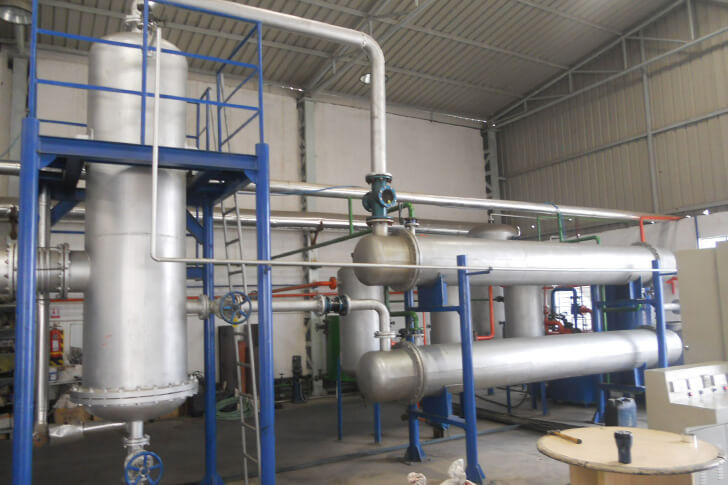
Before we close, here’s a quick note on Qingdao Xingfu Energy. They sit in Qingdao, China. Since 2010, they’ve built industrial boilers, pressure vessels, and pyrolysis systems for waste tires, plastics, and oil sludge. With around 228 staff and strong engineering support, they hold CE and ISO9001 certifications. Gear ships to over 30 countries. They focus on reliable, durable equipment that delivers results.
All in all, the oil sludge pyrolysis process stands out as a practical fix. It slashes costs. It lifts sustainability. It pulls value from old waste. Plant managers and enviro pros find it worth a close look. It can streamline operations and lighten the environmental load. Time to dig deeper? This approach might reshape your waste handling for good.
The oil sludge pyrolysis process heats sludge without oxygen. Molecules break apart. Oil, gas, and char come out. Yields often reach 40-60% recoverable oil. It’s a clean, efficient way to manage waste.
It lowers emissions a lot. Resources get recovered instead of dumped. The oil sludge pyrolysis process helps hit strict residue limits—like under 3% oil. Soil and water stay cleaner. It supports greener practices overall.
Yes, it works well even at smaller scales. Handling 5-10 tons daily brings solid returns. Fuel recovery and lower disposal bills add up. Many setups break even in two to three years.
Basic upkeep keeps it going strong. Check reactors and condensers regularly. Clean residues. Watch temperatures. With good care, the oil sludge pyrolysis process runs with little downtime.
Sure thing. Pyrolysis oil works as fuel or feedstock. Char sells for filters or other uses. The oil sludge pyrolysis process turns waste into steady revenue streams.
 Address: 30th Floor, Building 3, Excellence Darongcheng, Shibei District, Qingdao City, Shandong Province
 Call us now:+86-13791972057
 Email:[email protected]


QINGDAO XINGFU ENERGY EQUIPMENT CO.,LTD