If you’re dipping your toes into waste tire recycling, the idea of jumping straight into a massive operation can feel overwhelming. Big upfront costs. Long setup times. What if the market shifts? That’s where scalability comes in handy. It lets you start small, test the waters, and grow as things pick up. A 10T semi-continuous pyrolysis system fits perfectly as that first step. It’s compact, manageable, and ready to scale when you’re set. In this piece, we’ll explore why beginning with a 10-ton setup makes sense for many folks. We’ll cover the tech, real numbers, and how it lowers risks while building a solid foundation.
Waste recycling isn’t a one-size-fits-all deal. Some operations handle hundreds of tons daily. Others start modest and ramp up. Scalability means your setup can expand without starting over. You add units or upgrade later. This approach cuts initial risk. No huge loans right away. You learn the ropes with lower stakes.
Think about a guy I know in the Midwest. He wanted to process local scrap tires. A full-scale plant? Too much cash tied up. He went with a smaller semi-continuous model. Within a year, sales from oil and carbon black covered costs. Then he added another line. Now he’s running double capacity. Profit doubled too. Stories like that aren’t rare. Industry numbers show many new entrants start around 10 tons per day. They grow 50-100% in the first few years.
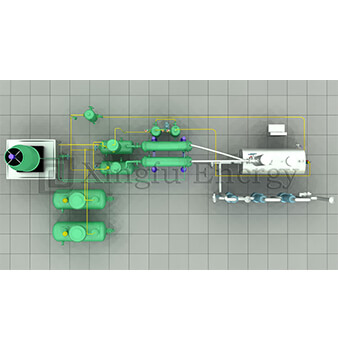
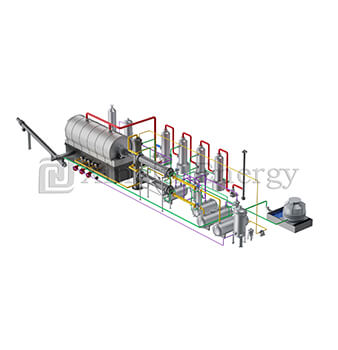
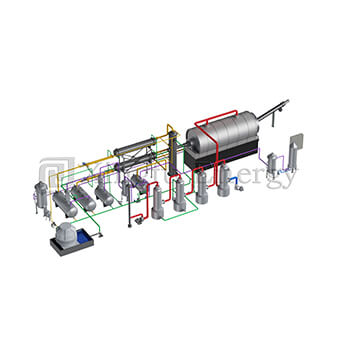
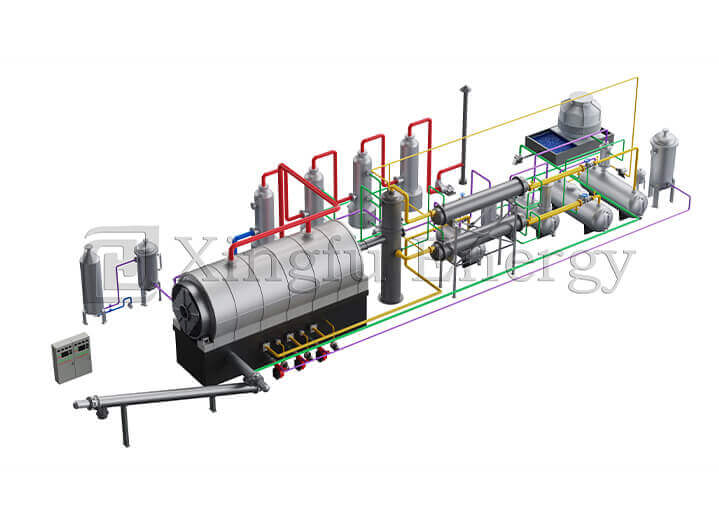
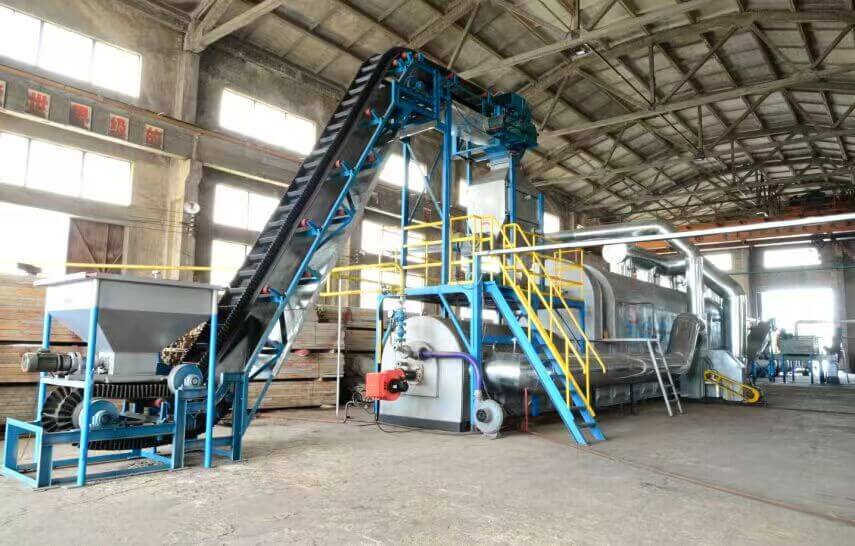
A 10T semi-continuous pyrolysis plant handles 10 tons of waste tires or plastics each day. It’s not fully automatic like bigger continuous ones. But it’s a step up from batch types. You feed material in cycles. It runs smoother than batch. Less downtime between loads.
This setup shines for starters. No need for a massive foundation—just quick install on flat ground. Airtight feeding saves heat and time. Hot air circulation keeps things even. No hot spots. Multilevel cooling boosts oil yield.
Here’s a quick look at the specs:
| Feature | Detail | Why It Helps Starters |
| Daily Capacity | 10 tons | Manageable volume, easy to source feedstock |
| Reactor Size | 7300mm L × 2400mm W × 3100mm H | Compact footprint, fits smaller sites |
| Floor Space Needed | About 25m × 5.5m | Less land cost |
| Labor | 2-3 people | Low staffing, keeps payroll down |
| Power Use | 40 kW/hour running | Affordable electricity bills |
| Fuel to Start | Around 200kg | Then mostly self-sustaining on syngas |
| Working Life | 5-7 years | Solid return before major upgrades |
Yields stay consistent:
Tires need chopping to 50mm pieces or smaller. Easy with basic shredders.
It starts simple. Shredded tires go onto a conveyor. Into the feeder. Then the reactor heats to around 650°C with hot air. No direct fire—safer that way.
Vapors turn to oil gas. They cool in condensers. Oil collects in tanks. Solid leftovers? Automatic slag remover pulls them out sealed tight. No dust flying around.
Carbon black and steel separate via magnets. Cool hoist handles it safely. Syngas gets cleaned and loops back for fuel. Desulfurization keeps emissions low. Steam blow for flame control adds safety.
I’ve seen sites where this runs clean. Neighbors don’t complain. It meets tough environmental rules.
Here’s the real draw. You don’t commit everything upfront. A 10T plant gets you producing fast. Sell oil locally for fuel. Carbon black to rubber makers. Steel as scrap.
Cash flow starts rolling. Use profits to expand. Many add a second 10T unit—effectively 20T. Or shift to larger semi-continuous down the line.
Take a setup in Finland. They began with a 10-ton batch-style. Switched to semi-continuous. Output jumped. Labor stayed low. Now they’re eyeing more.
In Mexico, folks ran twin 10T lines for 20T total. Started one. Added the second once oil sales proved steady. Risk spread out. No regrets.
This modular thinking works. Start small pyrolysis plant scalable. That’s the keyword for smart growth. Lower entry barrier. Prove the model. Then build.
Environmentally? Huge plus. Turns waste tires into resources. No more piles breeding bugs or catching fire.
Safety stands out. Normal pressure operation. Sealed systems. Low labor means fewer folks near hot zones.
Costs stay in check. Quick install—no months of construction. Self-heating after startup slashes fuel bills.
For businesses, it’s flexible. Test markets. Adjust feedstock—tires one day, plastics the next.
A quick shoutout to the company behind solid systems like this. Qingdao Xingfu Energy got its start in 2010 in Qingdao, China. They’re a go-to supplier for industrial boilers, pressure vessels, and waste tire plus plastic pyrolysis plants. With 228 team members—including plenty of engineers and certified welders—they hold CE and ISO stamps. Gear ships to over 30 countries, from Malaysia to Spain. Customers praise the reliability and support.
Wrapping it up, scalability changes the game in waste recycling. A 10T semi-continuous pyrolysis system offers the perfect entry point. It delivers real output without massive risk. You start small, learn quick, and scale as profits grow. Whether you’re new to this or adding recycling to your operation, this setup builds a strong base. Turn waste into steady income—one smart step at a time.
Yeah, absolutely. The 10T semi-continuous model installs fast with no big foundation needed. It handles 10 tons daily right away. Once you’re comfortable, add units or upgrade for more capacity.
Many hit payback in 1-2 years. With yields like 40-45% oil and low running costs (2-3 workers, self-heating), cash from sales builds quick. Use that to expand.
Sure thing. It processes waste tires or plastics without major changes. Flexible feedstock helps when supply varies.
Compact design and modular style. Run one now. Parallel another for double output. Or step up to bigger models once volume justifies it. Lowers upfront commitment.
Pretty clean. Sealed feeding and discharge cut dust. Gas scrubbing and recycling keep emissions down. It recycles waste instead of dumping—big win for the planet.
 Address: 30th Floor, Building 3, Excellence Darongcheng, Shibei District, Qingdao City, Shandong Province
 Call us now:+86-13791972057
 Email:[email protected]


QINGDAO XINGFU ENERGY EQUIPMENT CO.,LTD