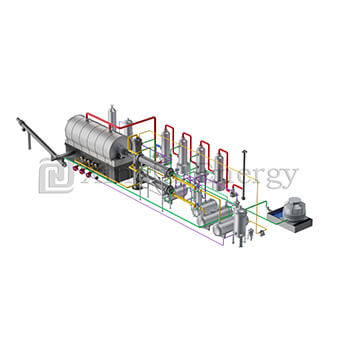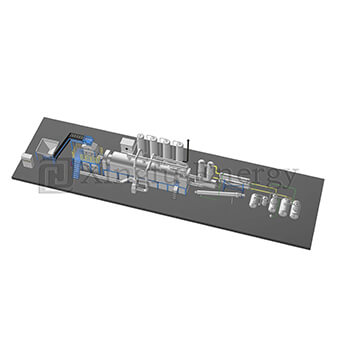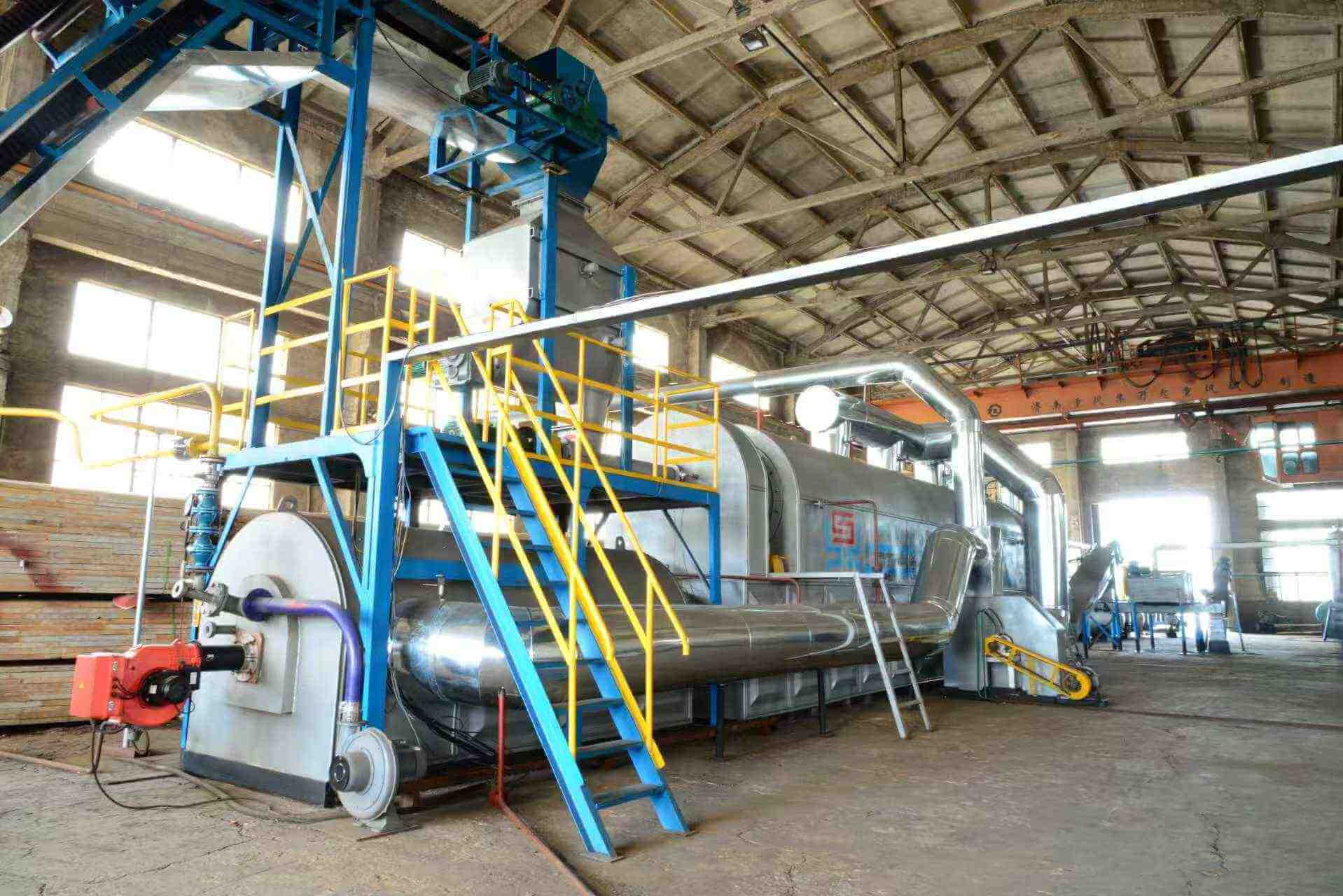
Laws on industrial emissions grow stricter every year. Europe sets the pace with firm caps on air pollutants from heat-based operations, like pyrolysis. Picture the EU’s rules on waste burning and mid-sized fuel plants. These lay out clear limits on dust, sulfur dioxide, nitrogen oxides, and such. Folks running these setups risk big penalties or closures if they slip up.
For people handling pyrolysis plants that convert scrap tires or plastics into useful fuel oil, this matters a lot. Flue gases might haul particles, sharp compounds, and floating organics if ignored. Yet current systems deal with it straight on. They shift possible troubles into steady workflows, keeping skies clear and facilities humming without stops.
Pyrolysis goes beyond just shredding waste. It’s a clever method to reclaim stuff. Handled well, it slots right into the circular economy, flipping junk into oil that runs factories. Plus, with solid flue gas cleanup, it backs up waste reuse pushes while aiding firms hit their ESG marks, such as trimming carbon trails and smart sourcing.
Plant bosses often fret over green rules. A key issue? Those flue gases. During a standard pyrolysis cycle, gases that won’t condense build up next to the oil. If skipped, they could spill nasty bits into the air.
Europe’s norms call for low output levels. For instance, lots of plants target controls that hold sulfur and dust far under ceilings—usually via sulfur stripping and sifting. Mess up, and audits come knocking.
But good news exists. Up-to-date pyrolysis rigs face this head-on. Look at full-continuous types. They handle stuff nonstop, cutting swings that might bump emissions. Closed builds stop leaks early. No dust slips out, no surprise dumps.
The secret sits in layered handling of flue gases. It’s not one quick move. Instead, it’s stacked, snagging dirt at each spot.
To start, burnable gases that won’t condense hit sulfur removal. In a special tank, sulfur bits get yanked. A suction pump drags the fresh gas ahead, sending it to a water barrier for safety and extra wash.
Next, it often loops back as fuel for the main chamber. So no outside burn needed after a brief kickoff. It runs on its own, smart and thrifty.
Leftover smoke? It flows through more scrubbing, like mist columns or charcoal traps in prime units. Actual outcomes prove this slashes outputs to match—or top—Europe’s bars.
Think of a 15-ton-a-day nonstop plant tackling scrap tires and plastics. It applies warm air flow heating and cool-temp aids to stretch gear life. The chamber seals tight, breakdown rolls easy, and products feature rich fuel oil from stepped chilling.
Flue gases? Layered cleanup: sulfur stripped, sealed, and reused. No drips, tiny dust. Such plants operate in diverse spots, showing trusty rule-following even under harsh codes.
This method isn’t showy. But it wipes smells, trims toxins, and holds things eco-friendly.
Hitting norms isn’t only about dodging fines. It unlocks chances.
First, bigger oil pulls. Stepped condensing chills gases well, shifting more to liquid burn. That oil? Set for oil distillation into purer diesel or straight boiler feed.
Also, the loop angle shines. Scrap tires yield oil, carbon black, and metal strands—all grabable. Carbon black refines for factory roles; metal loops back. Zero to dumps.
Firms eyeing ESG dig this. Slimmer outputs boost report grades. It proves dedication to green ways without shortcuts.
In a single rig chewing 15 tons daily:
| Output | Approximate Yield | Common Use |
| Fuel Oil | 40-45% | Industrial fuel or further distillation |
| Carbon Black | 35-40% | Reinforcing agent in rubber/products |
| Steel Wire | 10-15% | Scrap metal recycling |
| Syngas | Balance | Recycled for plant heating |
Figures shift with input, yet the idea holds: strong grab, slim scrap.
Bosses share easy shifts with 1-2 hands on deck. Low energy sip once rolling—about 80 kW per hour. And a decade-long run spells good payoffs.
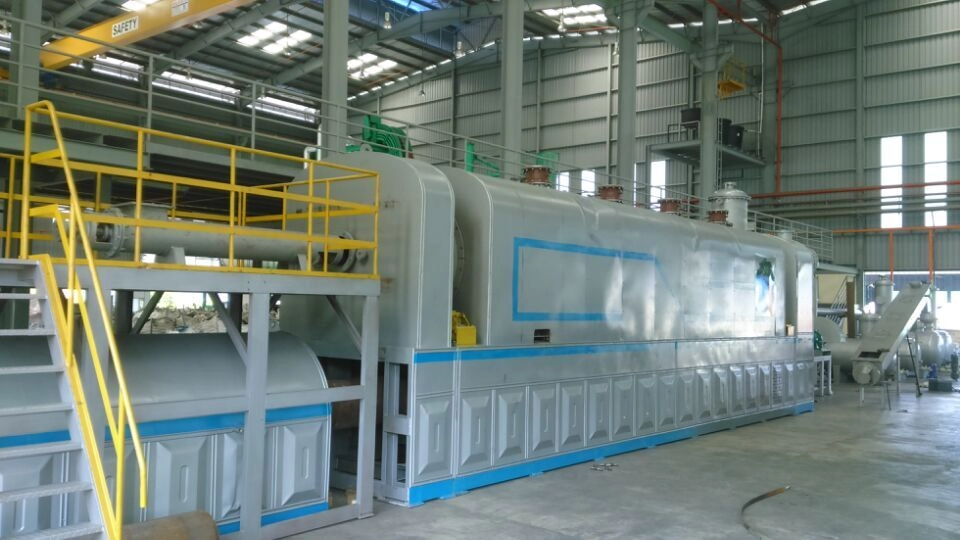
Qingdao Xingfu Energy Equipment Co., Ltd., based in Shandong Province, has been a trusted supplier since 2010. As a high-tech company, they focus on industrial boilers, pressure vessels, and waste tires & plastics pyrolysis systems.
With CE and ISO9001 certifications, plus A-level manufacturing licenses, they build reliable equipment exported to over 30 countries. Their team—over 200 strong, including dozens of engineers—delivers solutions that prioritize safety, efficiency, and environmental performance.
From batch to fully continuous plants, including models like the 15T system, they help turn waste challenges into resource opportunities.
Tighter world rules don’t need to halt steps. With layered flue gas cleanup in fresh pyrolysis setups, rule-following turns easy. You snag clean outputs, stuff recovery, and tie to circular economy ideas. All this while tackling ESG focuses.
This gear flips scrap to worth in a responsible way. For bosses scouting Europe or places with stiff norms, it’s a firm route to lead, trim dangers, and craft a lasting setup.
It scrubs non-condensable gases fully, letting safe reuse as fuel. This steadies the flow, sparking even oil pulls set for distillation into top fuels.
Sure—via sealed builds and layered handling like sulfur yank and barriers, plenty hit or pass EU calls for bits and sharps.
It hits main output fears direct by yanking dirt layer by layer, stopping spills, and often looping gases. This smooths checks and backs wider green logs.
Yeah, in a good sense. Fresher gases mean firmer heat and smoother overall run, yielding cleaner raw oil that’s simpler to refine down the line.
Little—tough builds keep it basic. Quick peeks at tanks and pulls, but the self-run loop slashes steady fuel and fuss.
 Address: 30th Floor, Building 3, Excellence Darongcheng, Shibei District, Qingdao City, Shandong Province
 Call us now:+86-13791972057
 Email:[email protected]


QINGDAO XINGFU ENERGY EQUIPMENT CO.,LTD