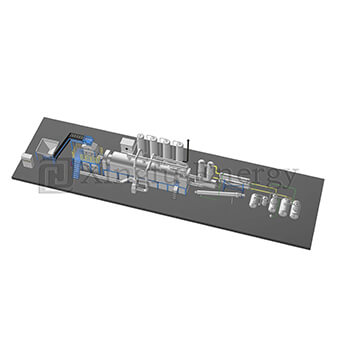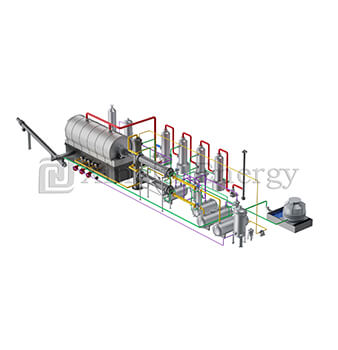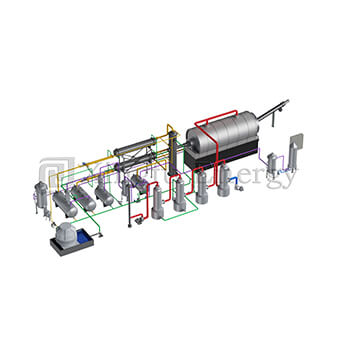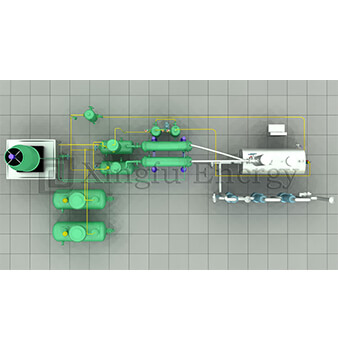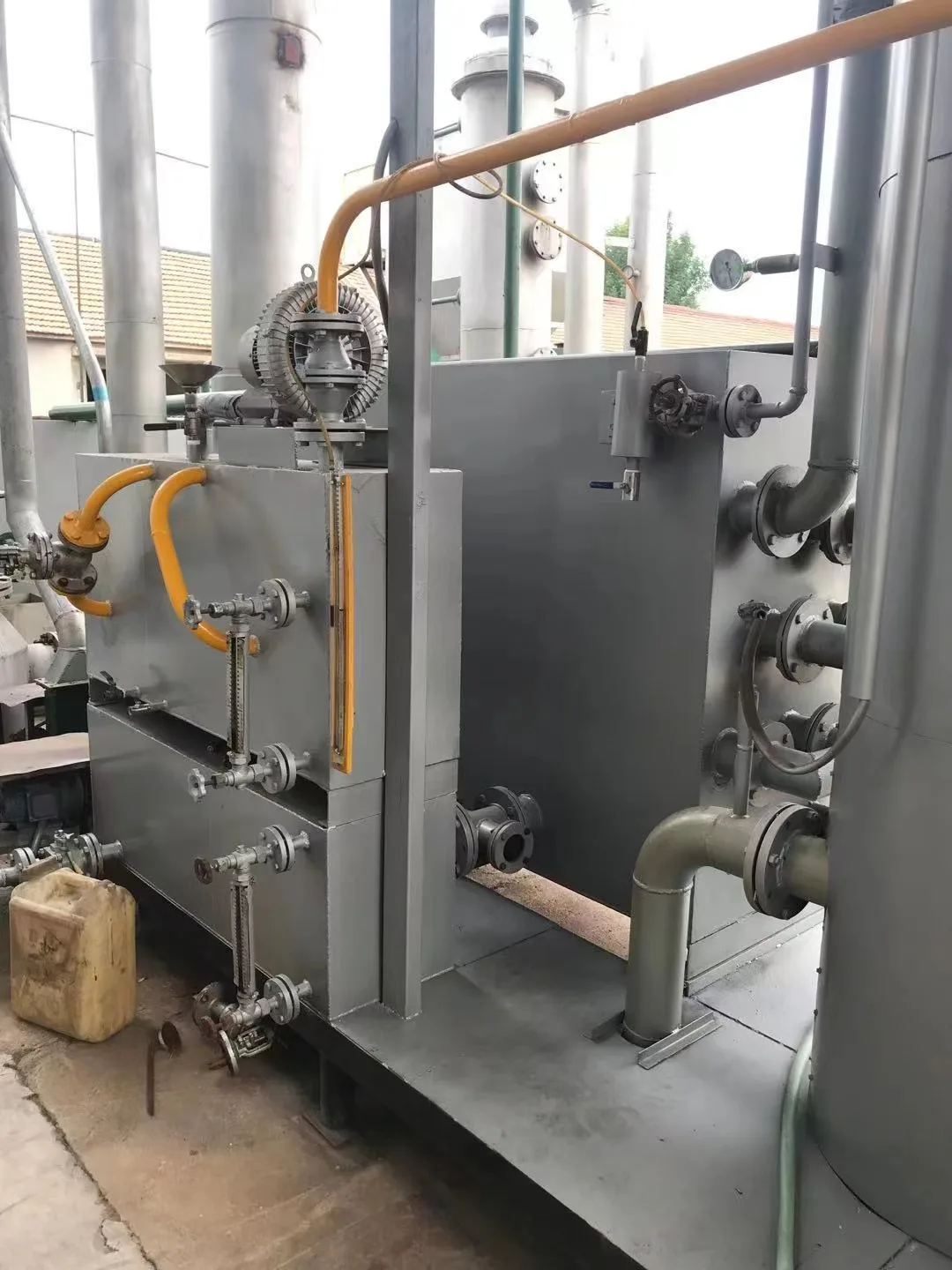
Driven by both global climate goals and the circular economy, small-scale pyrolysis technology is developing at an unprecedented speed and has become a key pathway for waste resource utilization. It is no longer just a concept but has demonstrated its advantages of flexibility, efficiency, and true carbon reduction, making it an important tool for converting organic waste into energy and resources.
In the context of urban efforts to build “zero-waste cities” and the continuous growth of regional energy demands, small-scale pyrolysis equipment demonstrates remarkable adaptability. It can carry out high-temperature pyrolysis of waste plastics, tires, and biomass materials in an oxygen-deficient environment, producing high-value products such as fuel oil, carbon black, and combustible gas, thus achieving a closed-loop processing of “waste as resource”.
This distributed processing model effectively addresses the problems of high transportation costs and high risk of secondary pollution in traditional centralized processing facilities, providing enterprises with a practical and feasible path for on-site implementation and turning waste into resources.
At its heart, small-scale pyrolysis heats organic material without much oxygen. Big molecules break into smaller, useful ones.
The past few years have brought real upgrades in three main areas:
Smart controls are the biggest leap. Today’s units come with automatic temperature management, product separation, and heat recovery features. These make the machines safer and far more efficient. Advanced sensors and simple PLC systems watch everything. They tweak heat, pressure, and timing based on what’s fed in. The process stays smooth and optimized.
Modular design has changed the game. Everything uses standard connections. Builders can mix and match parts quickly. A customer gets exactly what they need. Units are no longer giant fixed plants. They’re flexible systems that fit almost anywhere. Setup is easier, and space needs are low.
Energy use has dropped sharply. Better heat recycling and smarter reactor shapes cut power needs per ton. Many top models now reuse extra heat to dry incoming waste or run other steps. That means almost no energy goes to waste.
The technology fits almost everywhere because it works close to the source.
In rural areas and neighborhoods, small units handle crop leftovers, food waste, and plastics right on site. Farmers and communities get fuel and gas without shipping anything far away. Costs drop, and pollution risks disappear.
Small factories love it too. A plastic shop or food processor often ends up with piles of trimmings or husks. A compact pyrolysis machine turns that trash into oil or gas they can sell or burn themselves. Disposal bills shrink, and they earn extra cash.
Industrial parks take it further. One company’s scrap becomes another’s feedstock. Small pyrolysis units link the loop. Materials and energy keep circulating inside the park.
When disaster strikes—floods, pandemics, or storms—mobile units roll in fast. They safely process waste before it spreads disease or harms the environment.
This market is growing quickly. Two big forces are behind it.
First, governments are on board. Zero-waste cities and carbon-neutral pledges are everywhere. New rules and grants reward companies that recycle organic waste. That creates steady demand.
Second, the numbers now make sense. Equipment prices keep falling as production scales up. At the same time, oil and gas from pyrolysis are worth more. Traditional dumping and incineration keep getting pricier. The gap is closing fast. In 2021 the global pyrolysis oil market hit $318.5 million. Experts expect it to reach $480.9 million by 2031, growing about 4.3% per year.
The whole supply chain is maturing. Collection, pre-treatment, refining, and sales networks are all in place. That makes life easier for buyers and speeds up adoption.
Around the world, people are tired of trucking waste long distances. Distributed, local solutions are clearly better. Small pyrolysis units are perfectly placed to lead that shift.
Two clear paths lie ahead: smarter machines and cleaner designs.
Full automation is coming. IoT sensors, cloud data, and AI will run everything. Units will adjust themselves in real time. Operators will monitor fleets from a phone. Breakdowns will be predicted and fixed before they happen.
New combos are on the way. Pyrolysis will team up with biogas plants or hydrogen units. The result will be more products, higher value, and even lower emissions.
Green thinking will guide every choice. Future machines will use eco-friendly materials. Manufacturing will waste less. Emissions will stay tiny thanks to better catalysts and reactor shapes.
Standard parts and plug-and-play modules will become normal. Factories can build faster and cheaper. Customers will get tailored systems without long waits or sky-high costs.
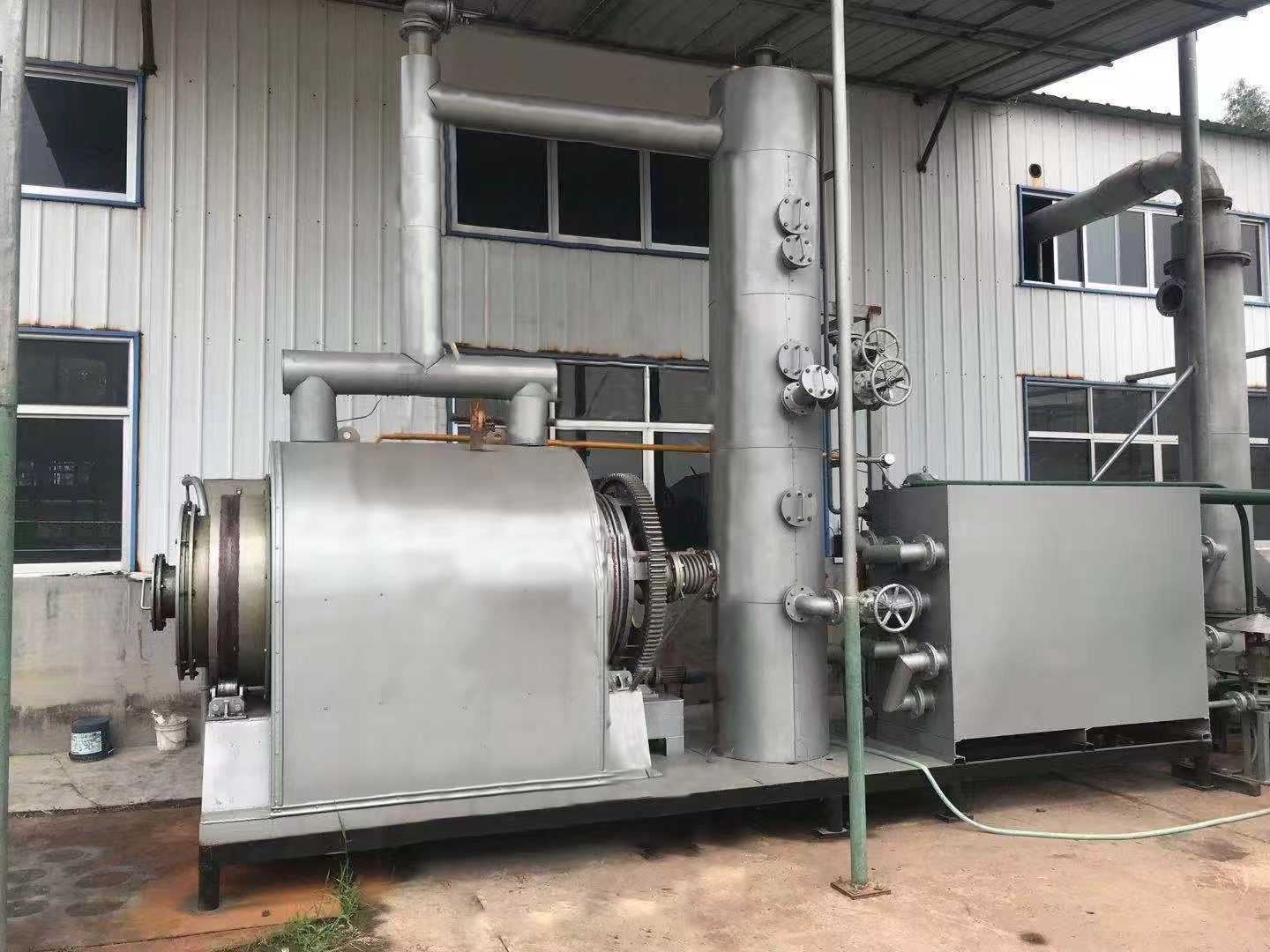
Qingdao Xingfu Energy builds industrial boilers, pressure vessels, and waste tire/plastic pyrolysis systems. Years of experience have made them experts in energy equipment.
The company keeps pushing small-scale pyrolysis forward. They deliver reliable, high-performance solutions to customers worldwide.
A strong R&D team and strict quality control cover every step—from first sketch to after-sales support.Their machines are known for smart design, rock-solid performance, and top quality. Buyers at home and abroad trust the brand.
Looking forward, Qingdao Xingfu Energy will stay focused on innovation and quality. They plan to blend intelligence and green tech into every new model. Their goal is simple: give customers cleaner, more profitable ways to handle waste while helping the planet reach carbon-neutral targets.
Small-scale pyrolysis is rewriting how we deal with organic waste. It turns local trash into local treasure. As carbon-neutral deadlines near and zero-waste programs expand, demand will only climb between 2025 and 2031.
The winners will be smart, modular, and truly green. They’ll convert waste efficiently while making real money and protecting the environment. Technology and market forces are aligned. Small-scale pyrolysis is now a vital link in the global recycling chain.
What’s the biggest advantage of small-scale pyrolysis?
It handles waste right where it’s created. That slashes transport costs and removes reliance on far-away plants. Plus, it turns trash into products you can sell.
What materials can these units process?
Waste plastics, old tires, biomass—pretty much any organic waste. Modern machines handle mixed feeds well, though heavy contamination can still affect yield.
How green is it really?
Very. It keeps waste out of landfills, replaces fossil fuels with recycled oil and gas, and cuts total carbon emissions. Newer units have excellent exhaust scrubbers, so air pollution stays low.
What’s the main focus for 2025?
Smarter controls and tighter integration. Expect more AI-driven automation, remote monitoring, and even better modular designs that adapt easily to any location or feedstock.
 Address: 30th Floor, Building 3, Excellence Darongcheng, Shibei District, Qingdao City, Shandong Province
 Call us now:+86-13791972057
 Email:[email protected]


QINGDAO XINGFU ENERGY EQUIPMENT CO.,LTD